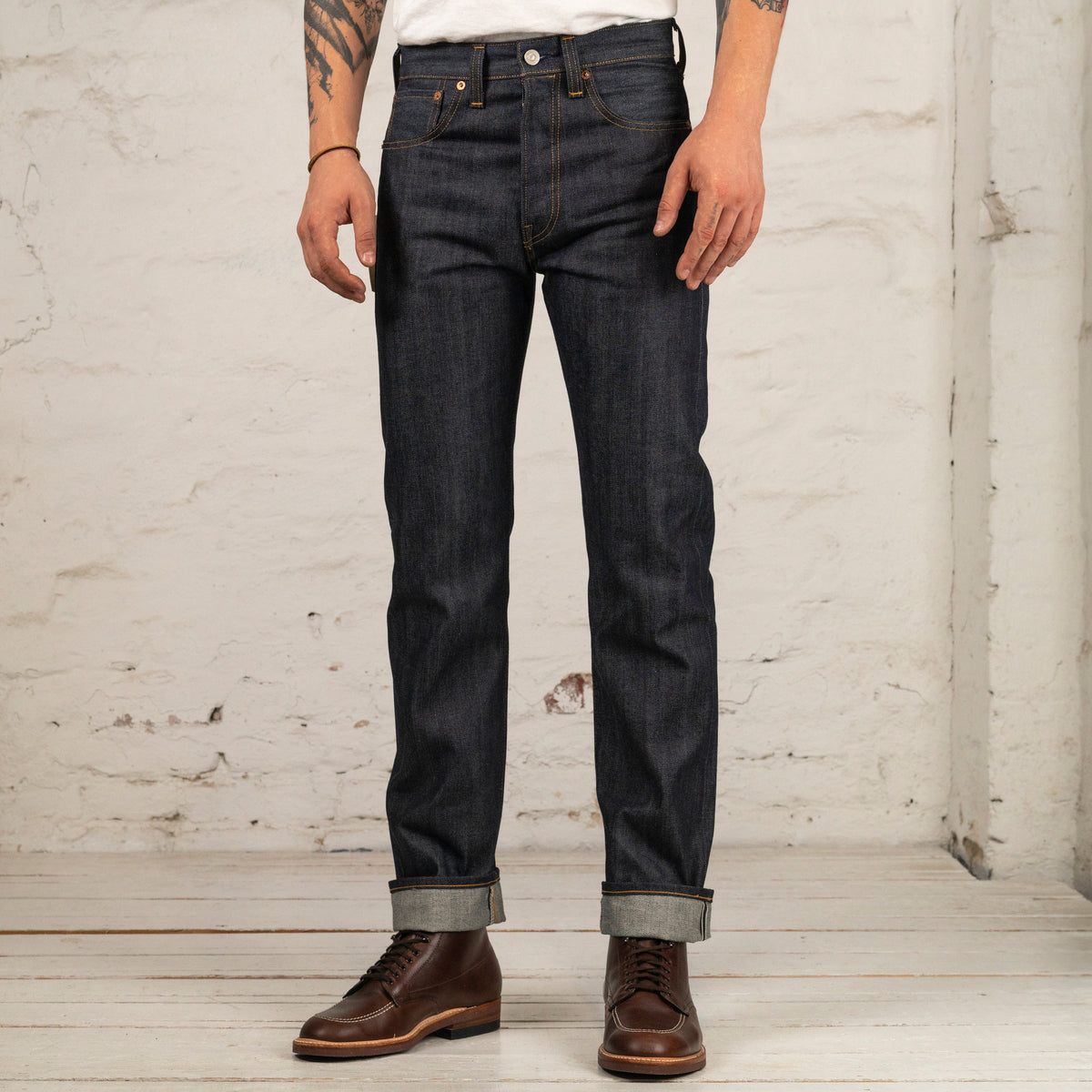
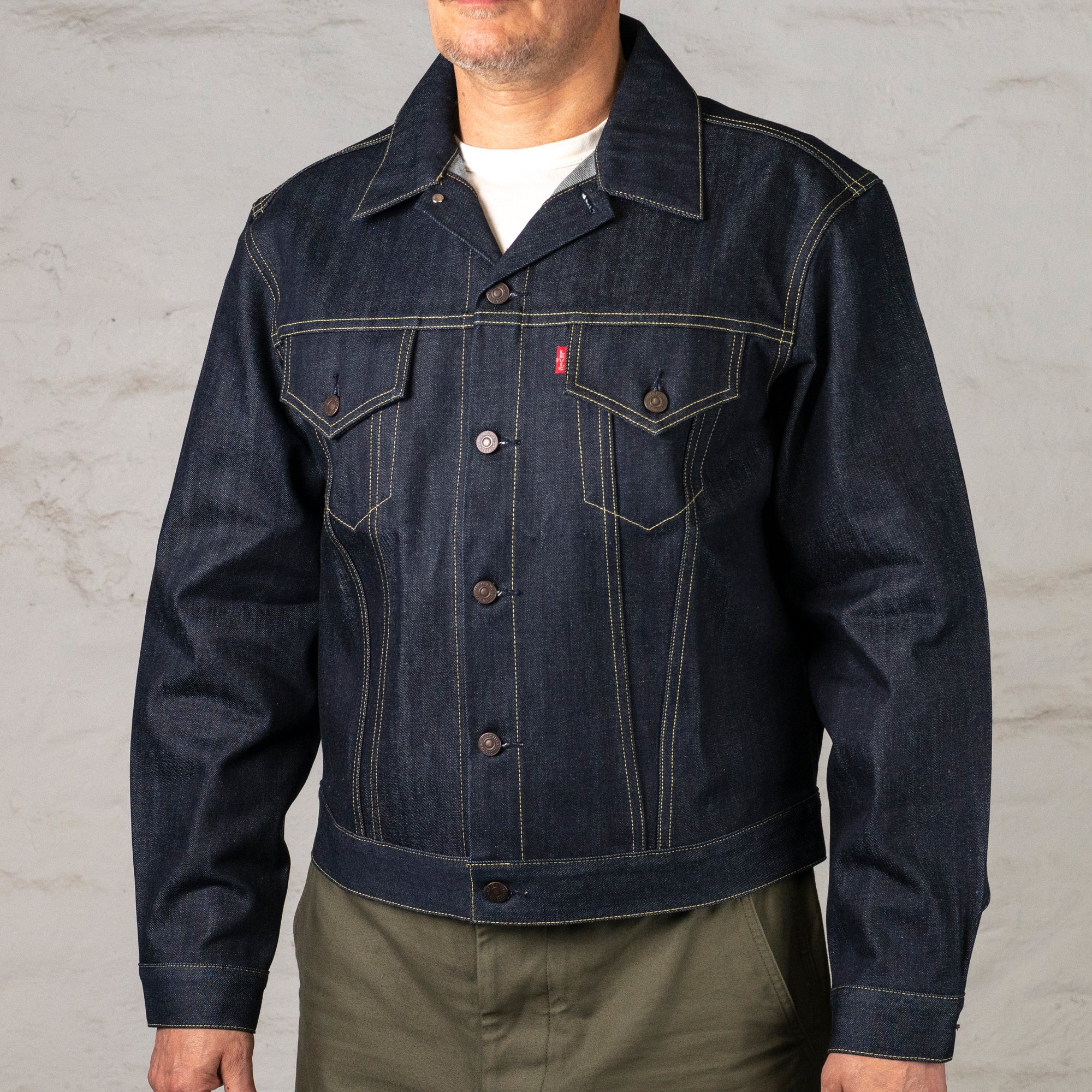
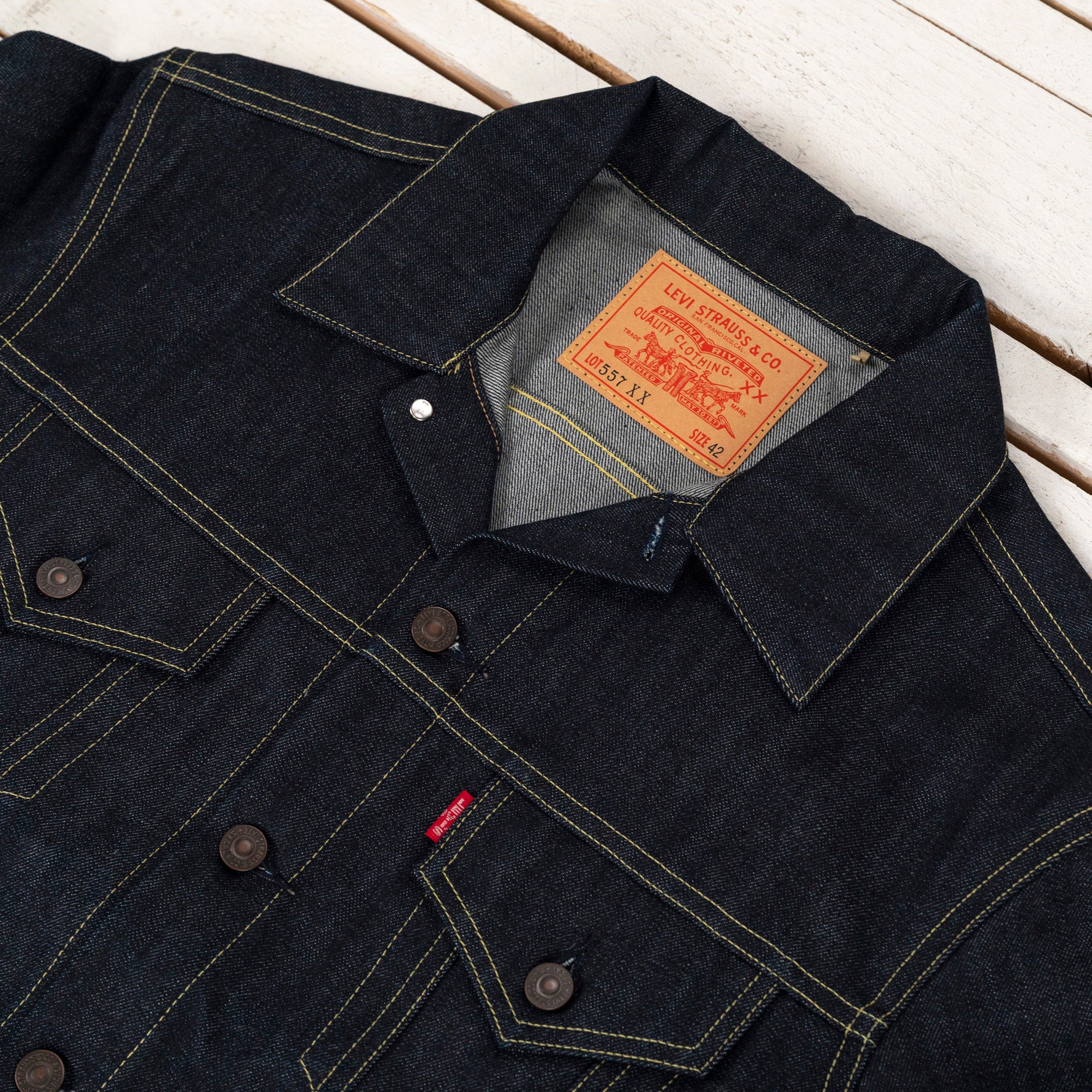
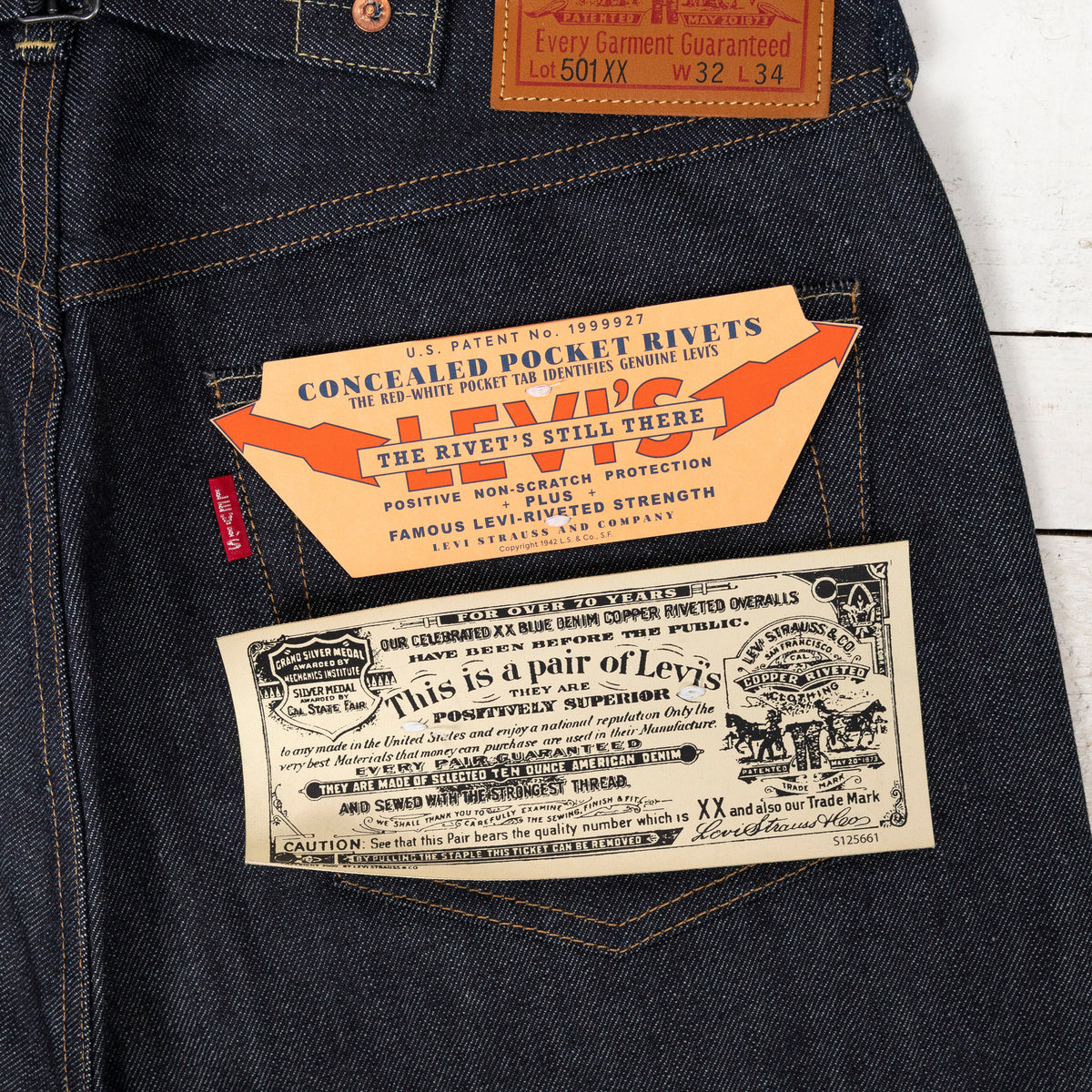
Levi's Vintage Clothing is Levi Strauss & Co.'s look back at its own past – at its company history, which dates back to the 19th century.
In 1873, Levi Strauss and the tailor Jacob Davis patented a simple yet momentous idea: copper rivets at the points of work trousers where the fabric would tear most quickly. From this construction, over the following decades, the Waist Overall developed, which was first listed under the lot number 501 in 1890. A pair of trousers that changed again and again over the following decades – mostly for practical, economic, or production-related reasons.
During World War II, for example, the rivets on the crotch had to be omitted due to government material regulations. Other metal parts were also removed, while the embroidered Arcuate on the back pockets, considered unnecessary decoration, was replaced by painted lines. After the war, many of these details, removed during rationing, returned.
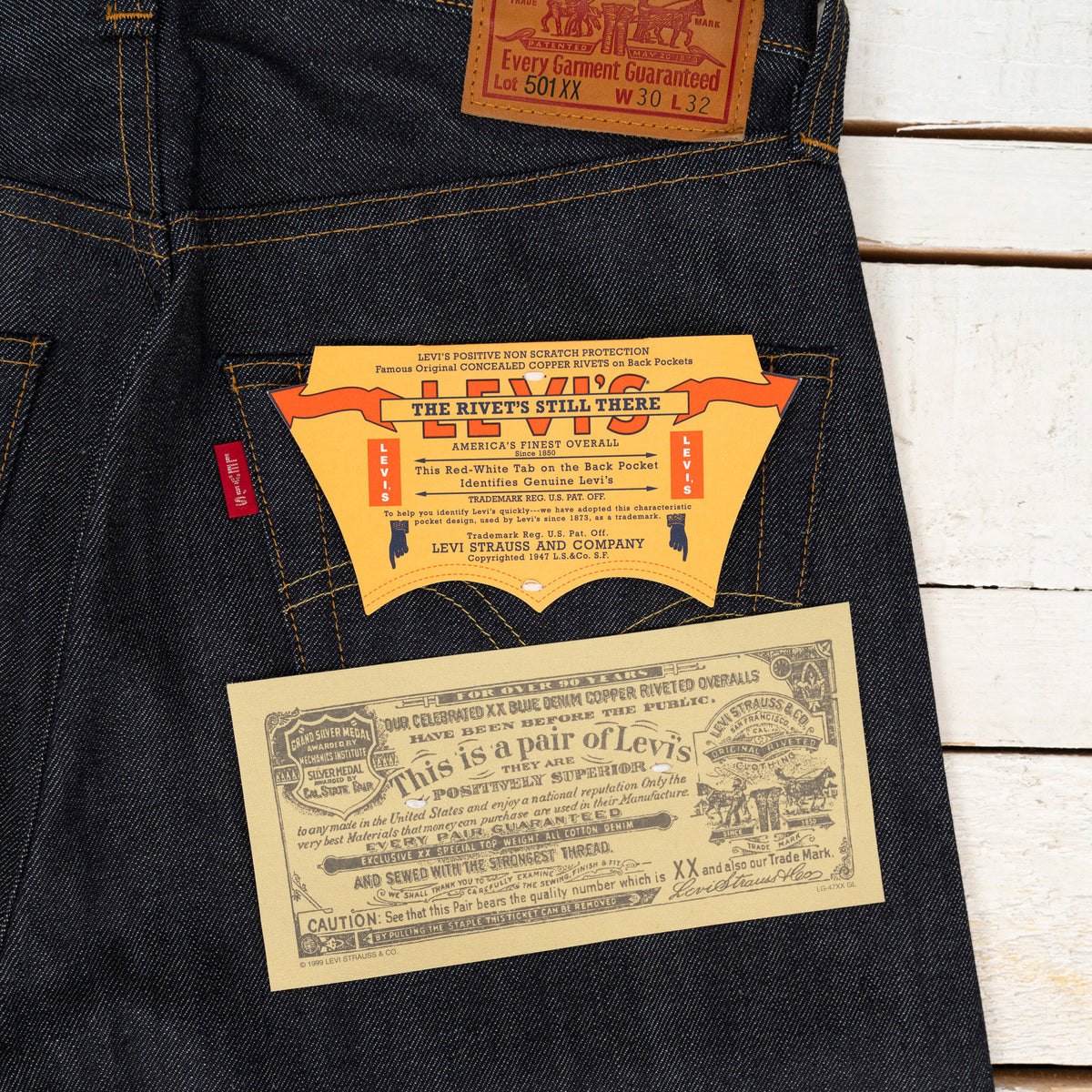
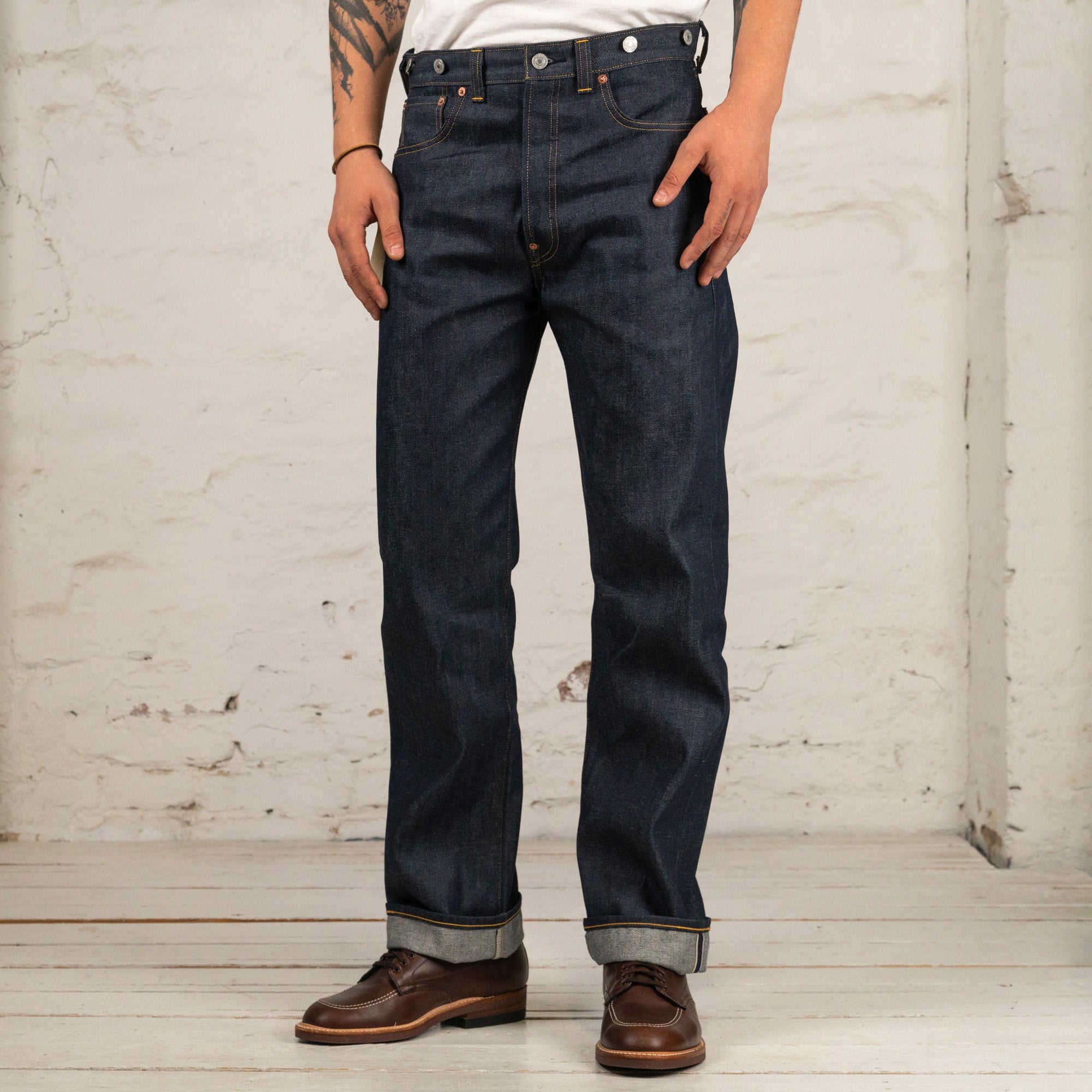
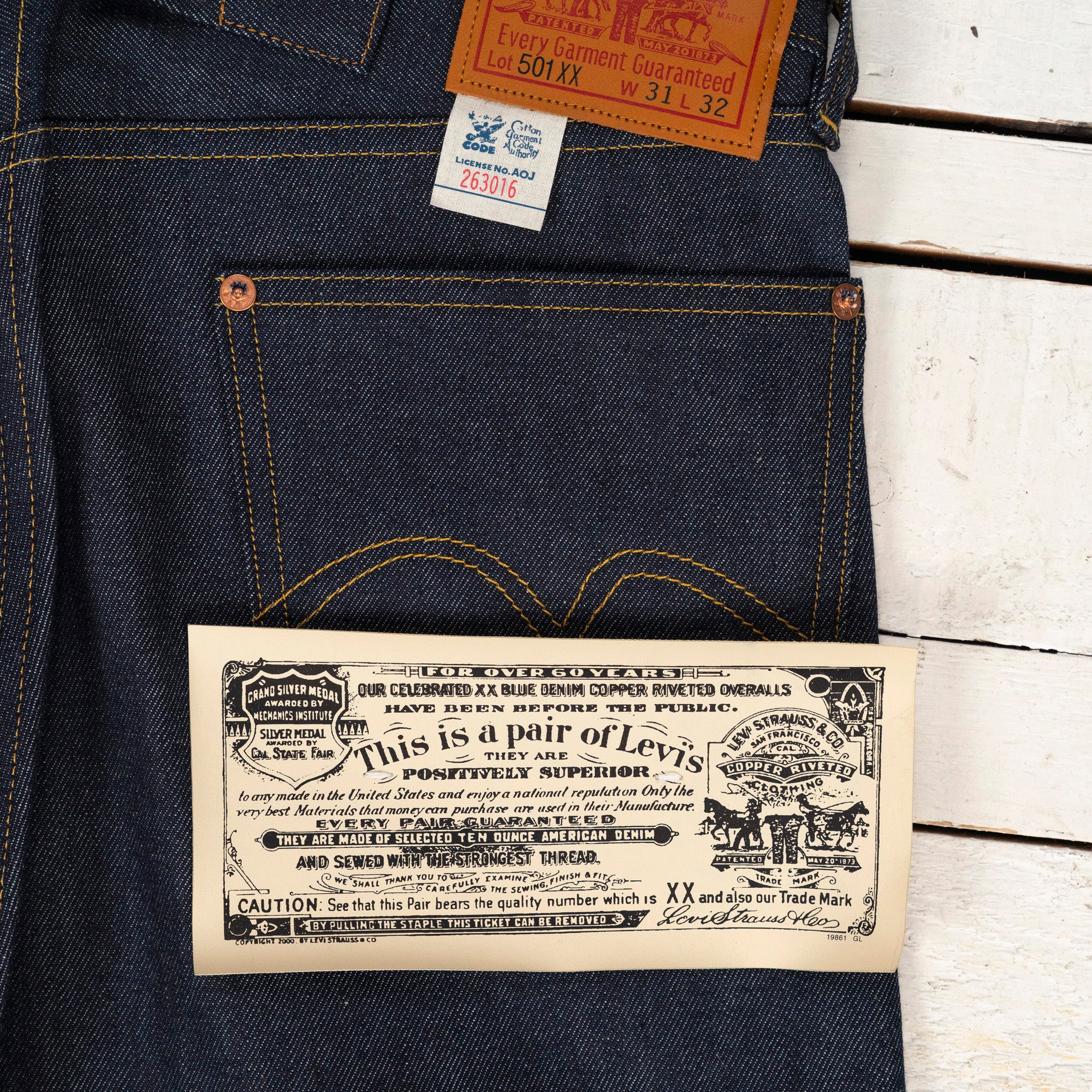
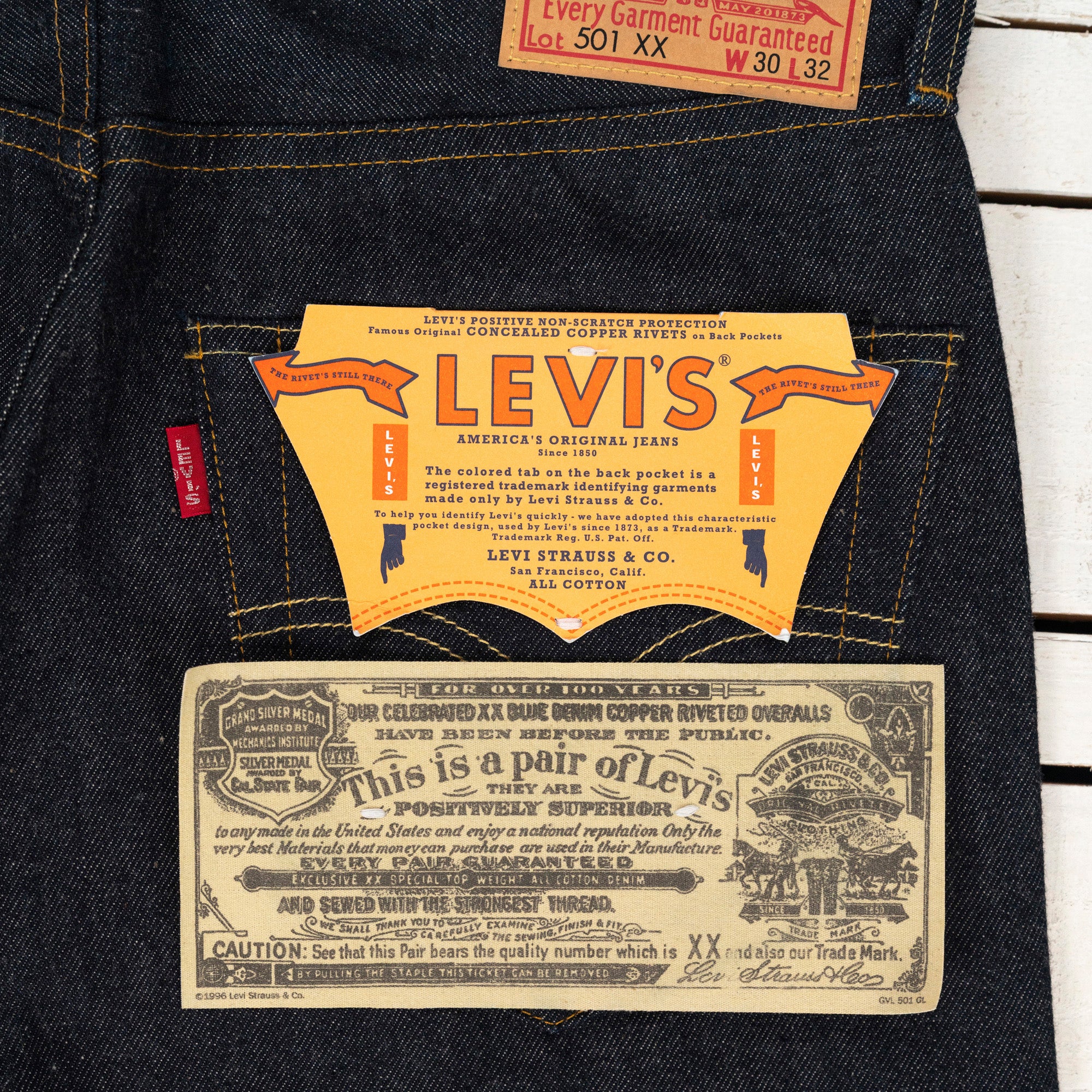
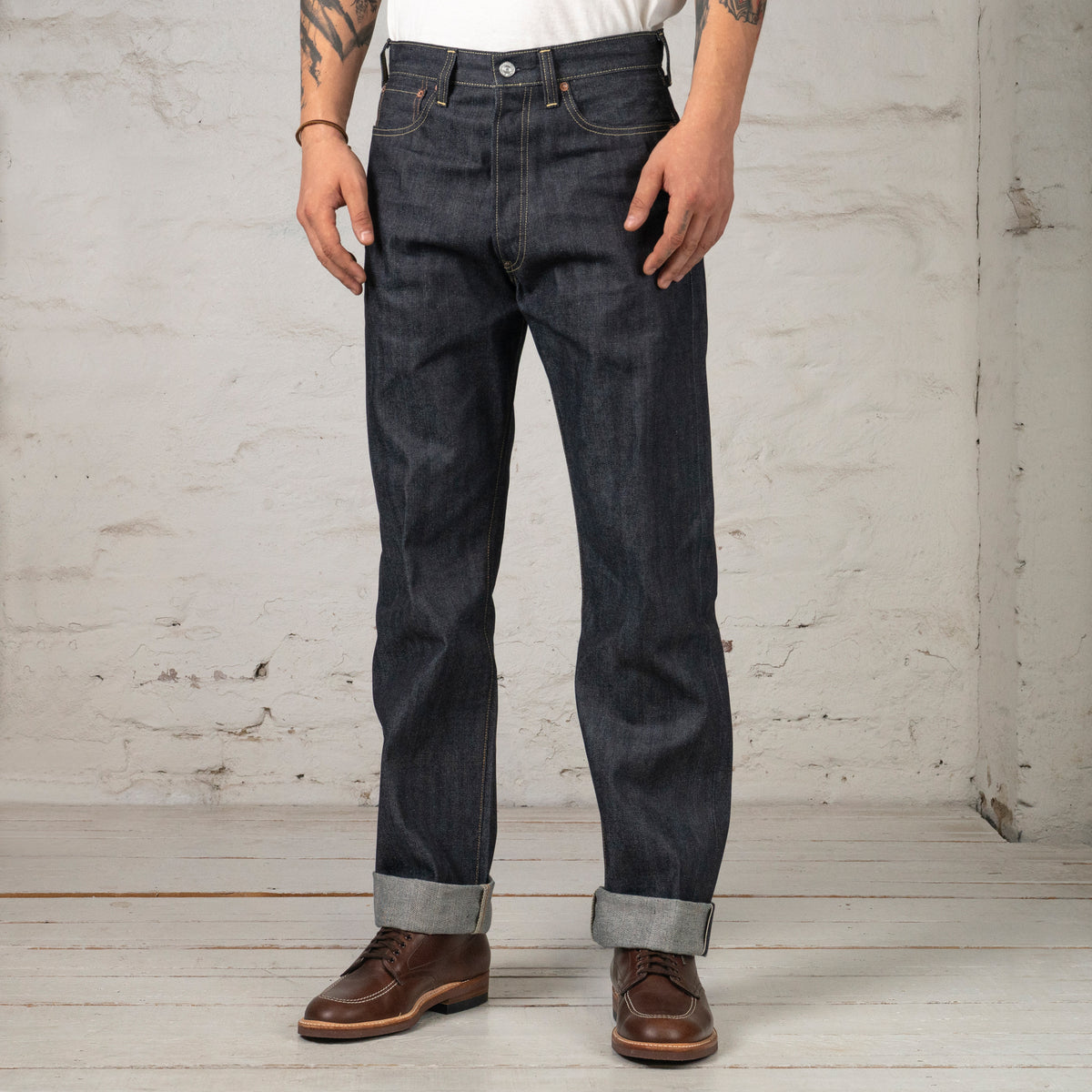
This is exactly where Levi's Vintage Clothing comes in. The line draws on original pieces from its own archive and reproduces historical models as accurately as possible – seam by seam, decade by decade. For example, the red selvedge edge that Cone Mills developed and wove exclusively for the 501 from 1927. The hidden rivets on the back pockets, introduced from 1937, after customers complained about scratches on furniture and saddles. The cinch-back on the back of earlier models. The big "E" on the Red Tab, used until 1971.
This accuracy is not an end in itself. It shows how many small decisions have gone into a single garment over the years – decisions related to rationing, customer complaints, material availability, or simply the evolution of production. Whoever wears a piece from this line wears a specific version of the company's history, with all the peculiarities that this period produced.
Levi's Vintage Clothing does not need external inspiration for this. It is enough to look within its own house.