



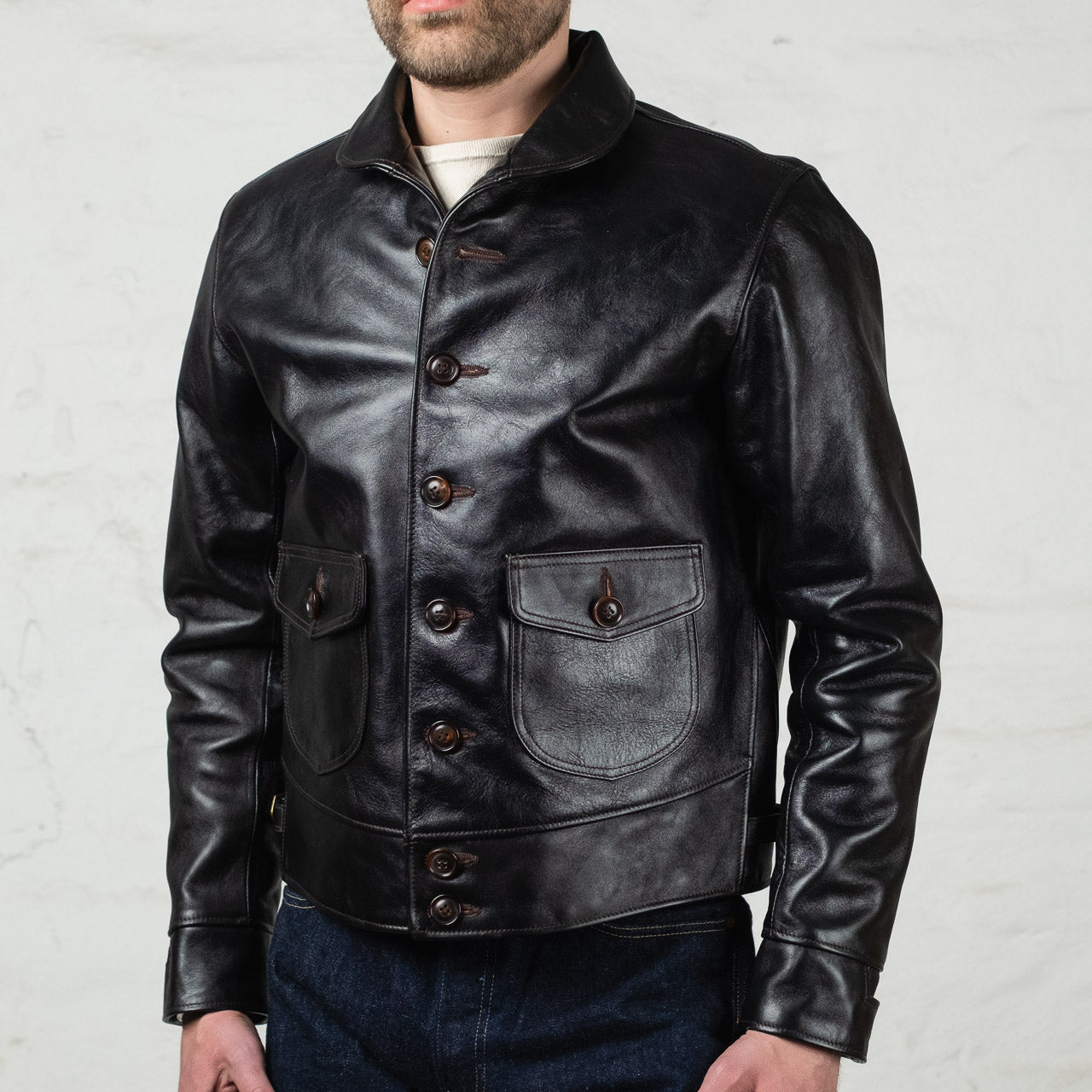
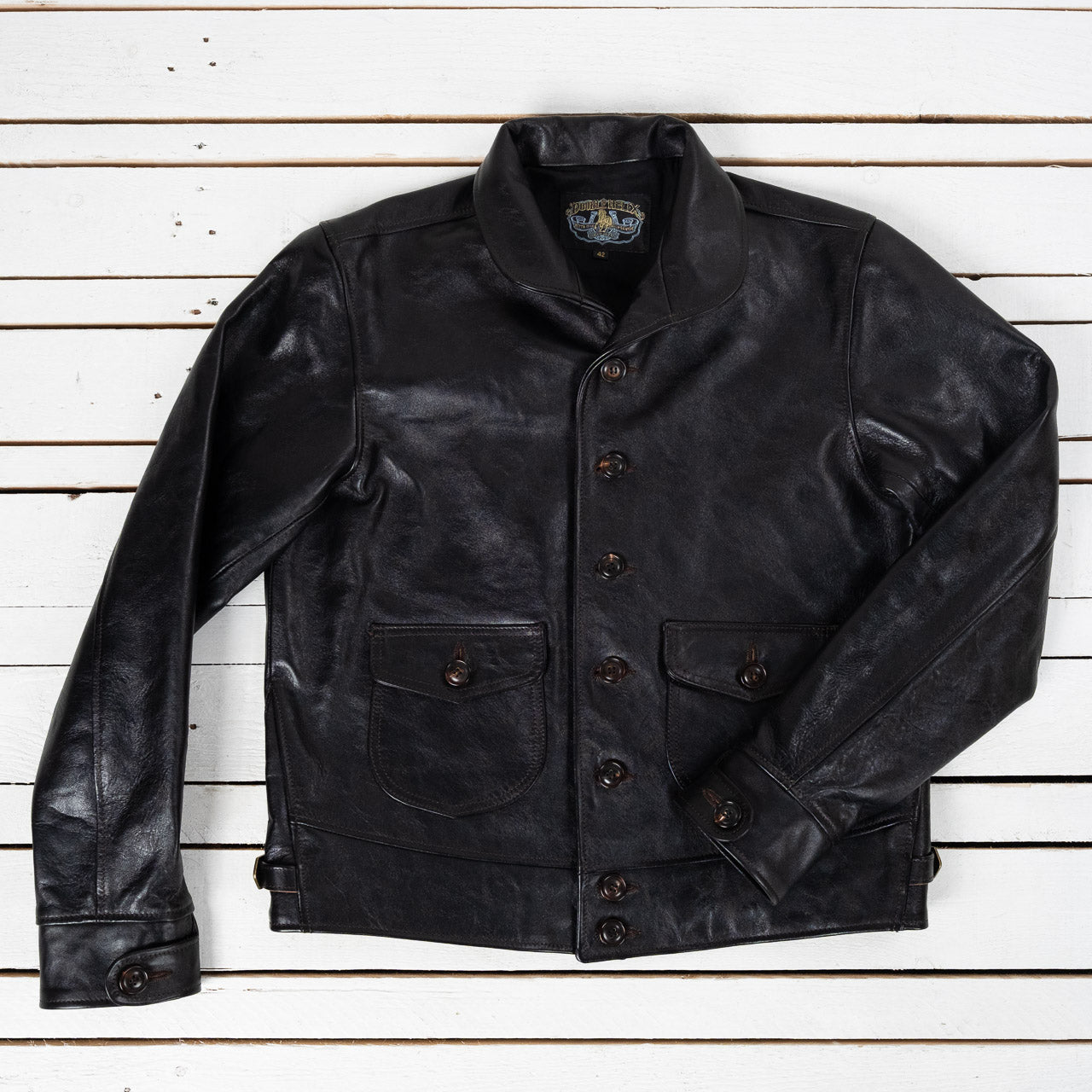
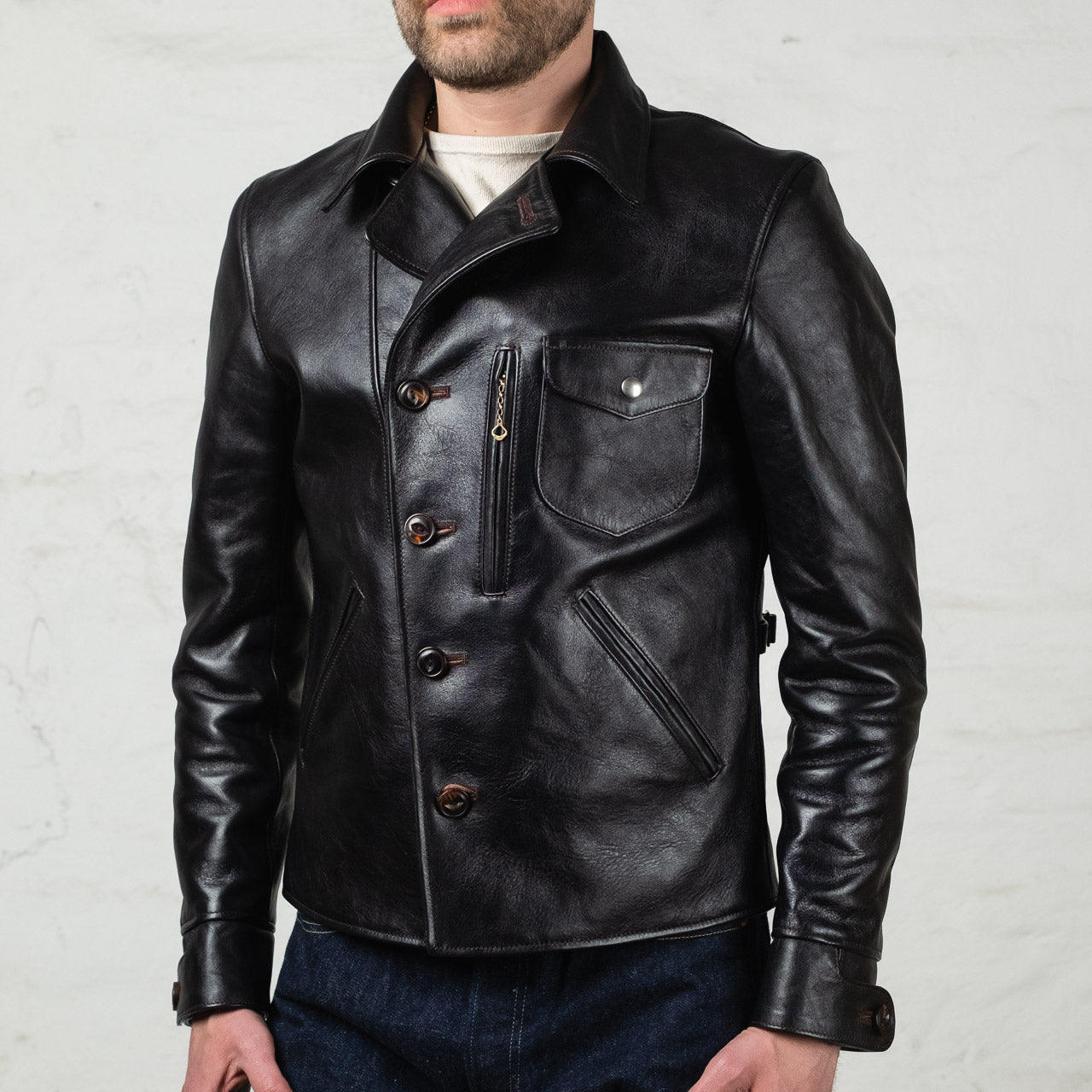
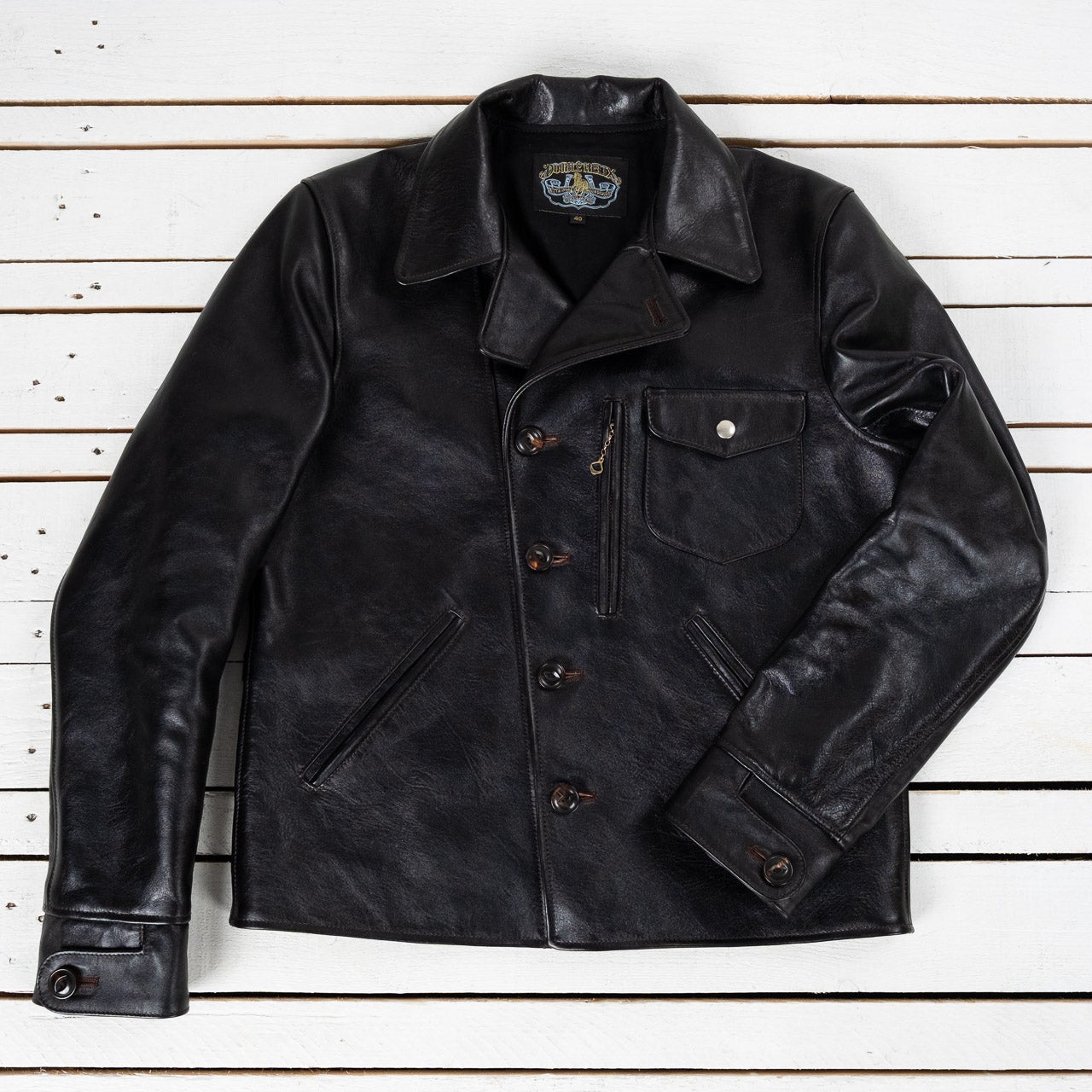
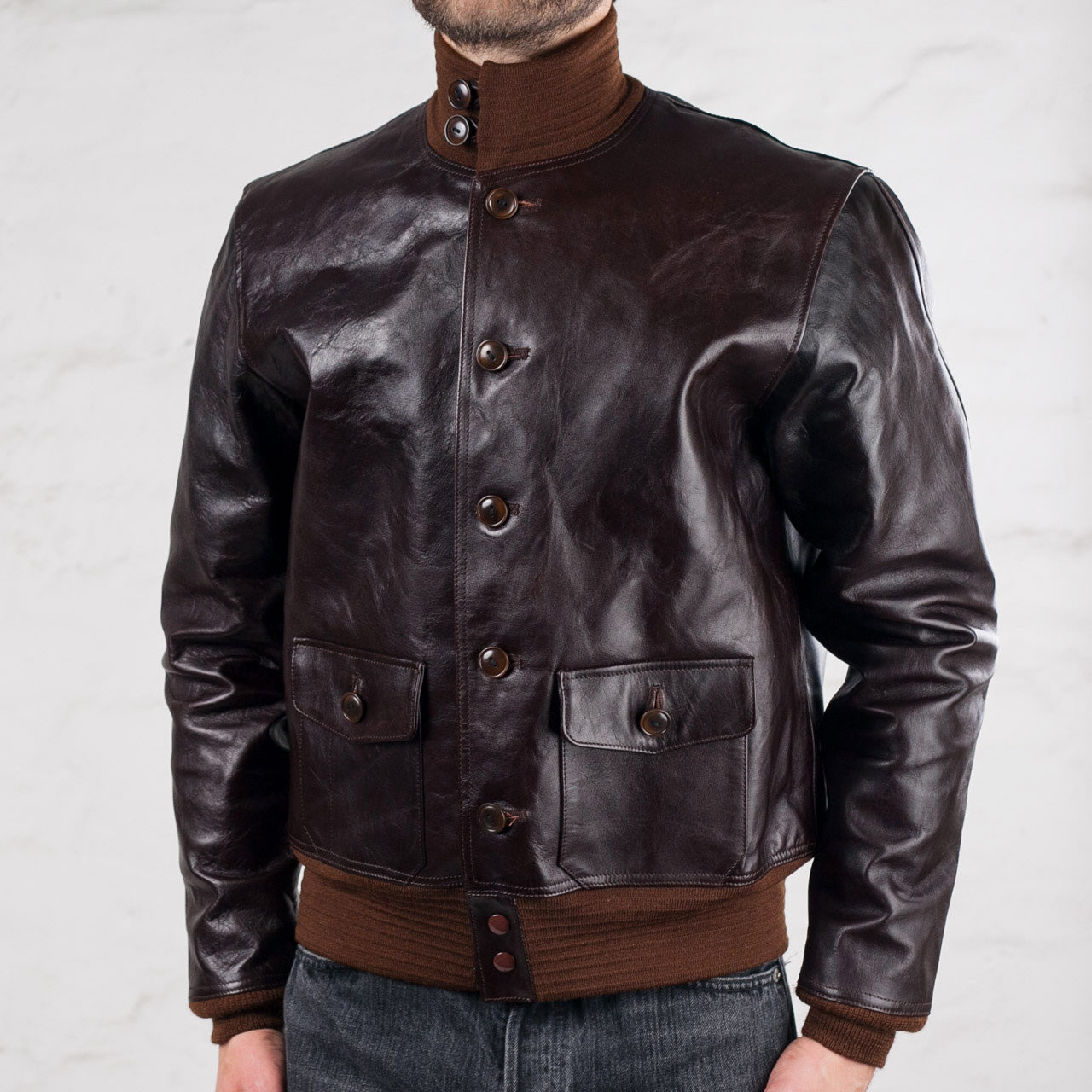
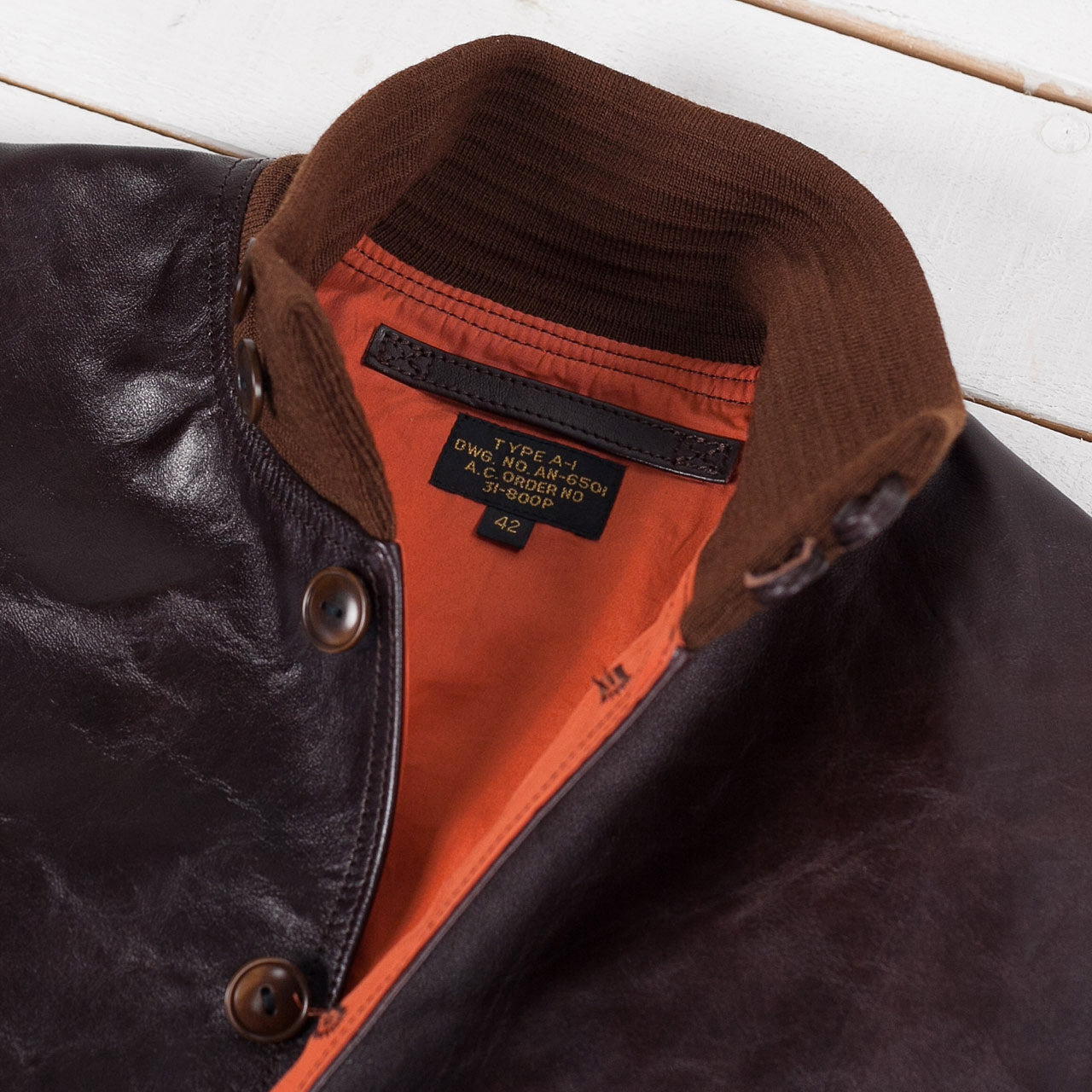
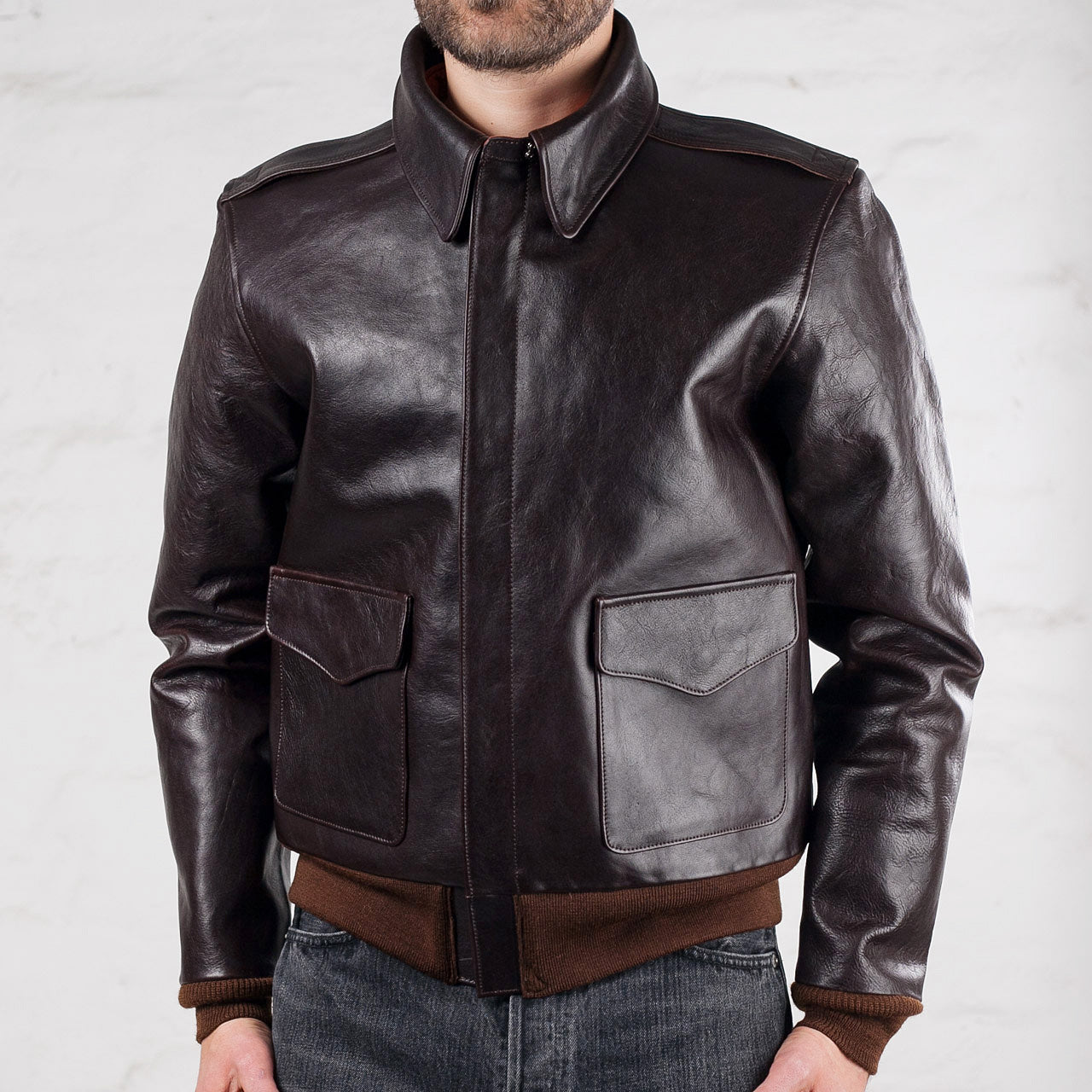
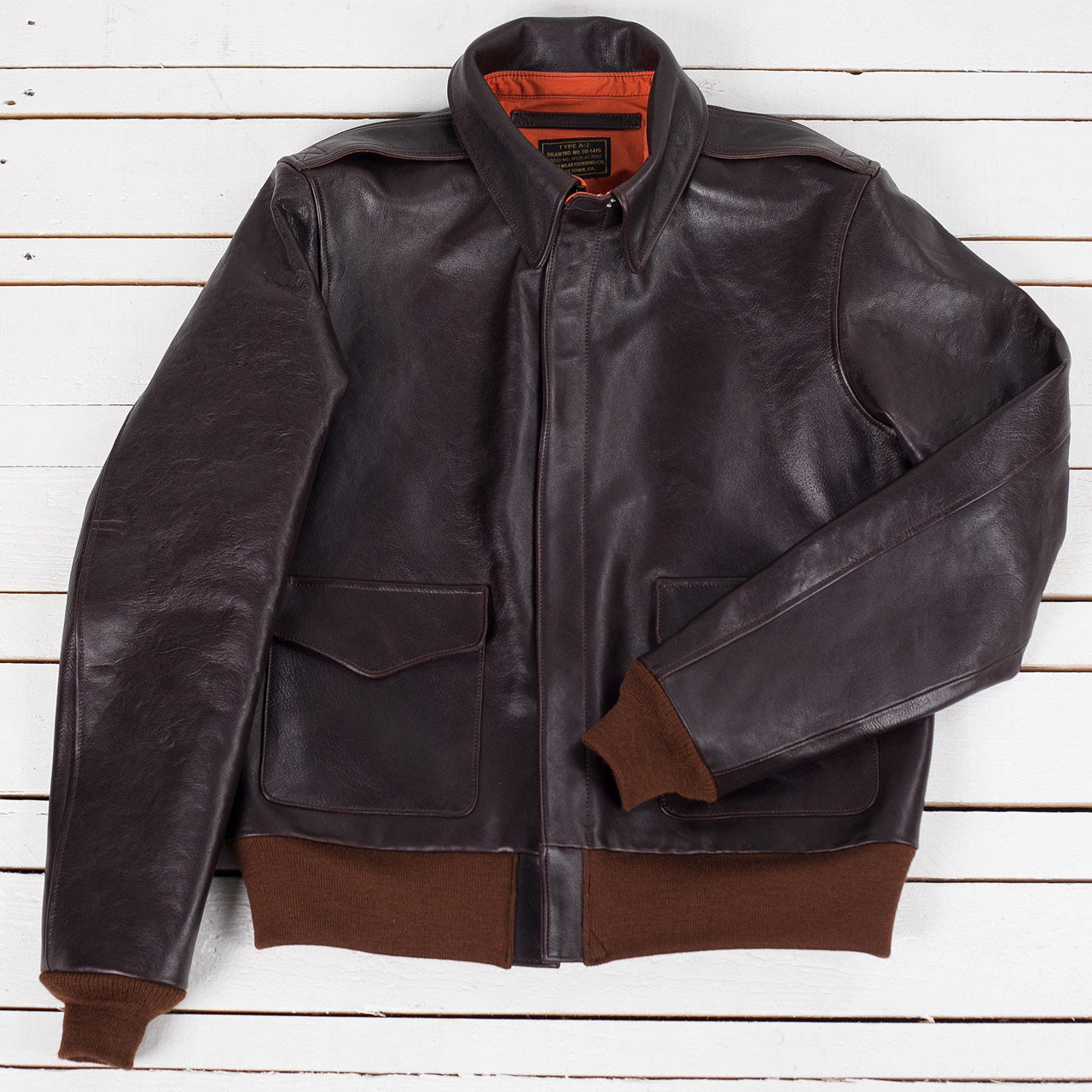


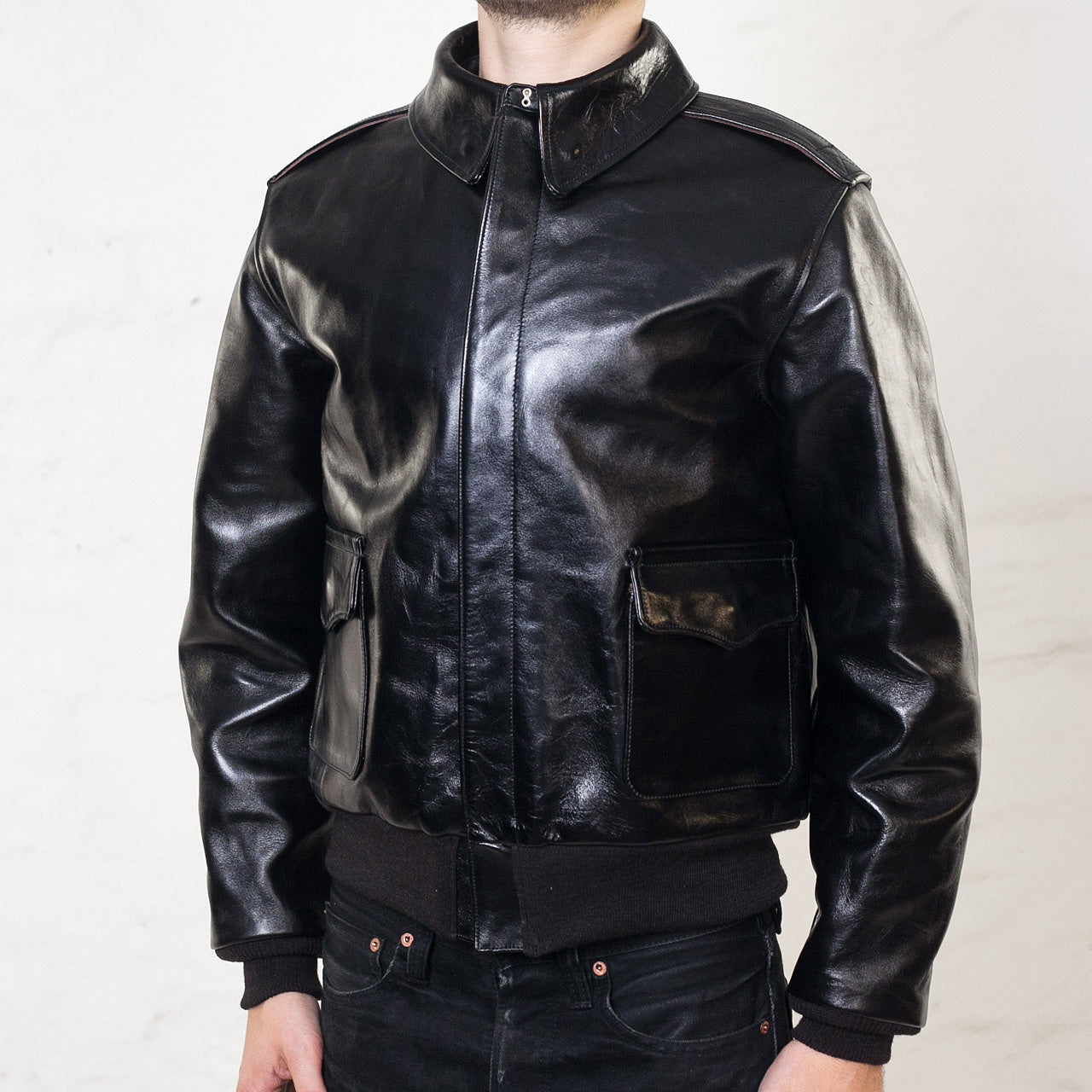
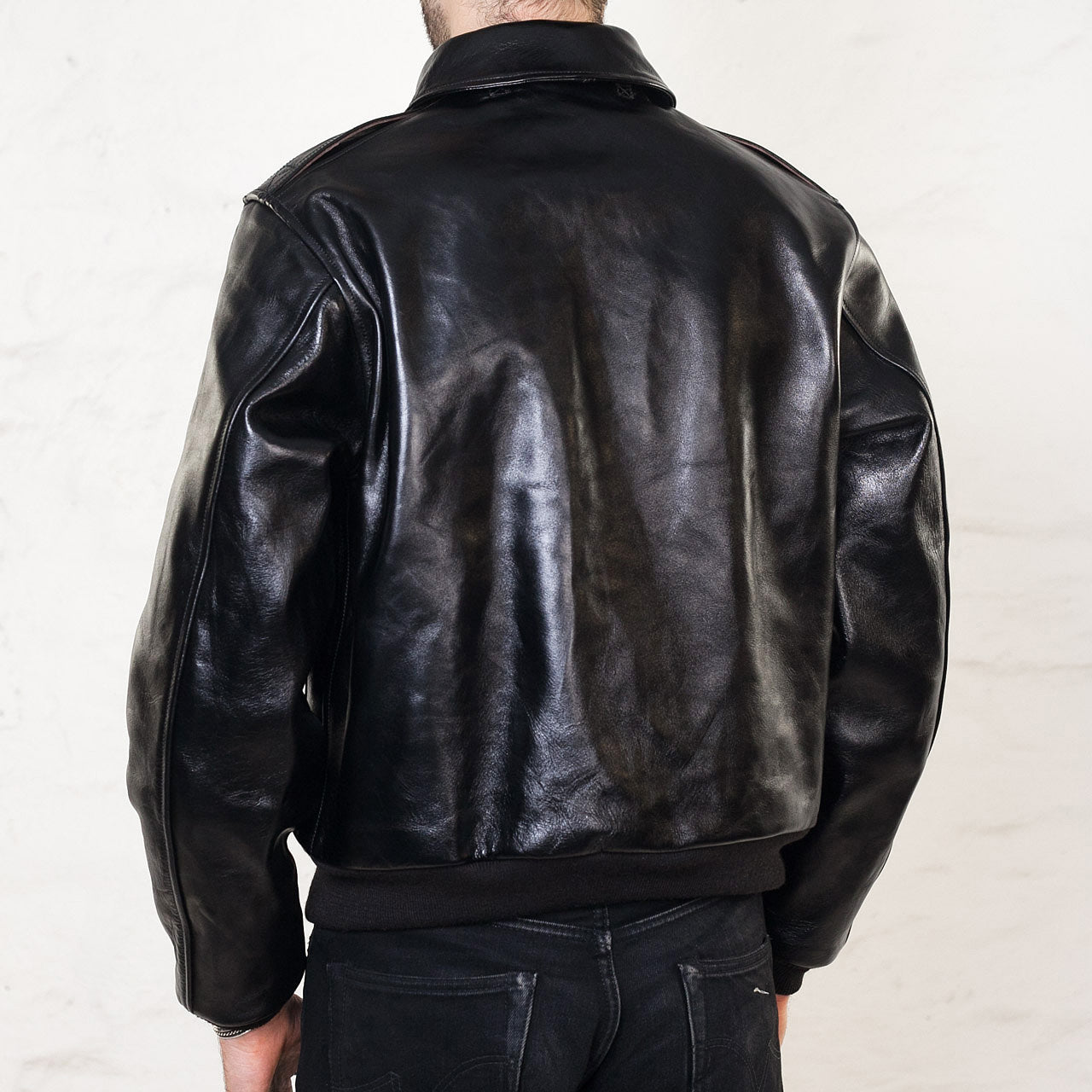
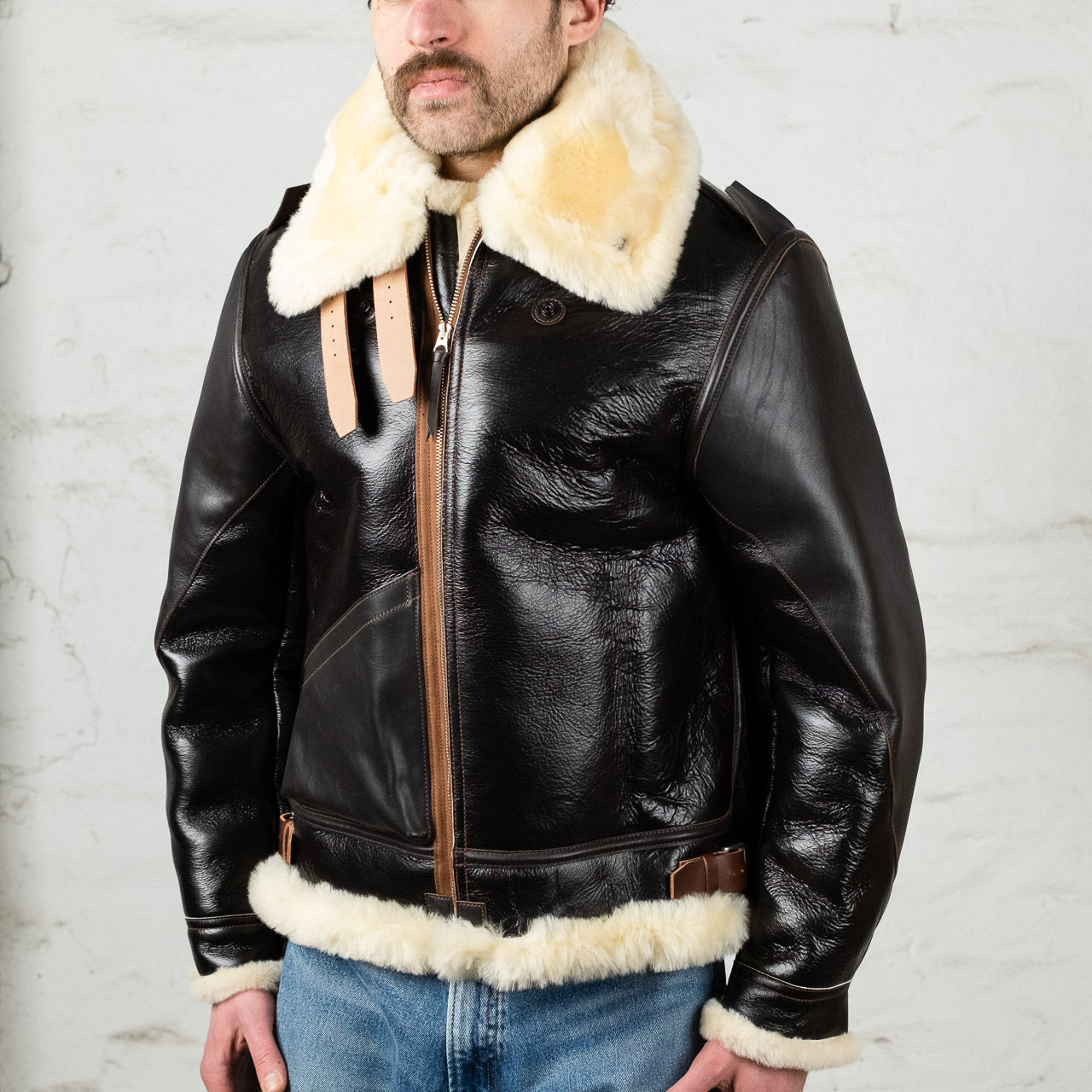
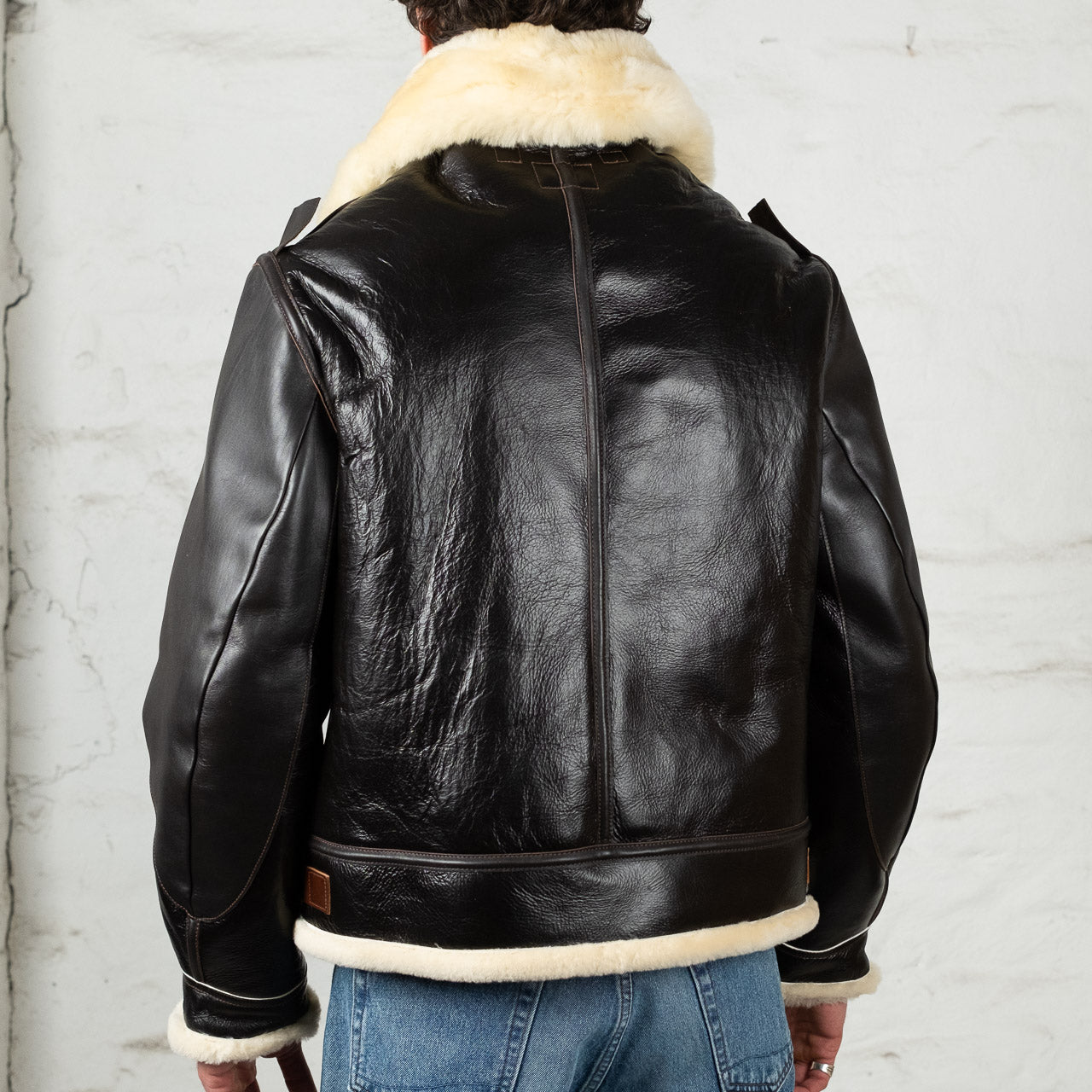
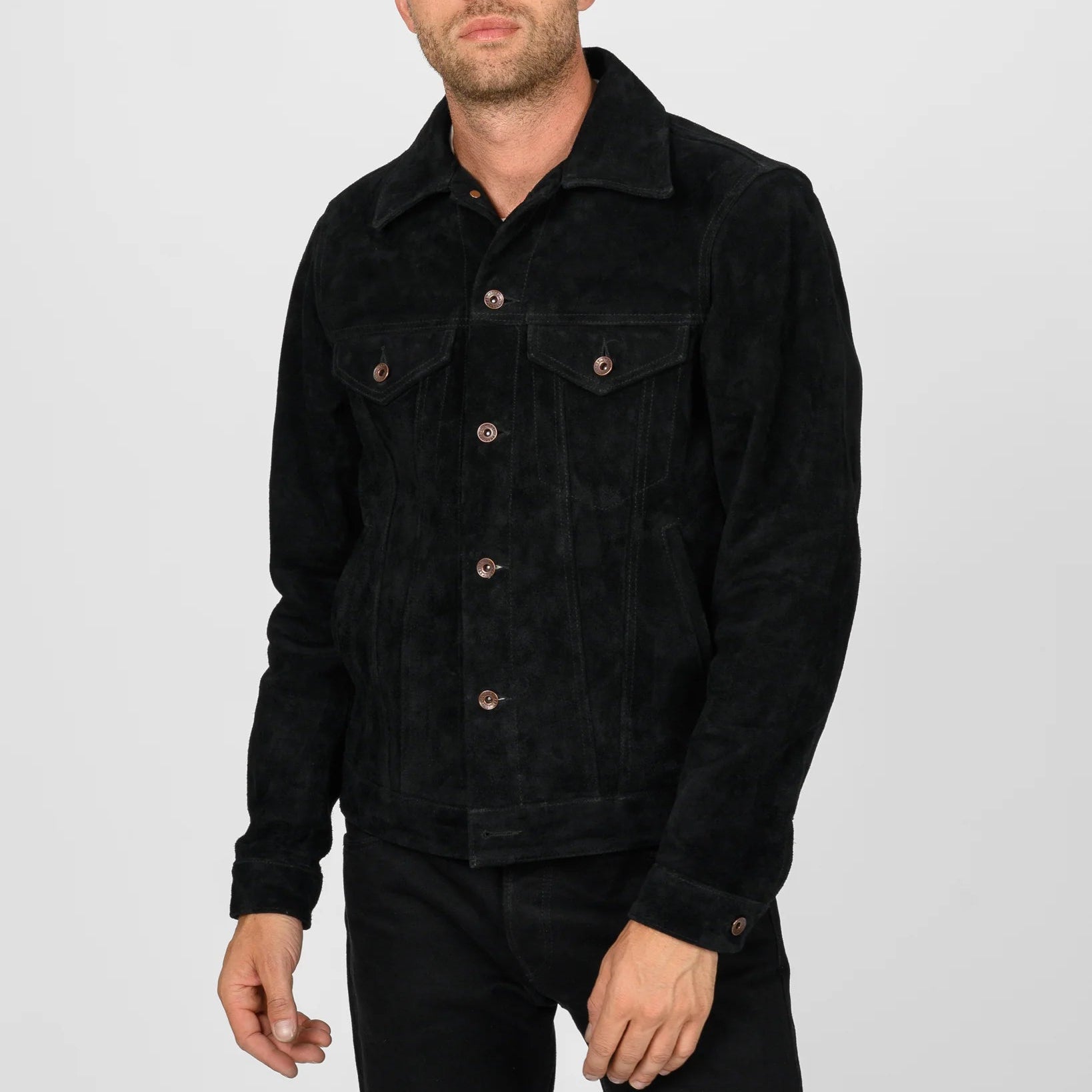
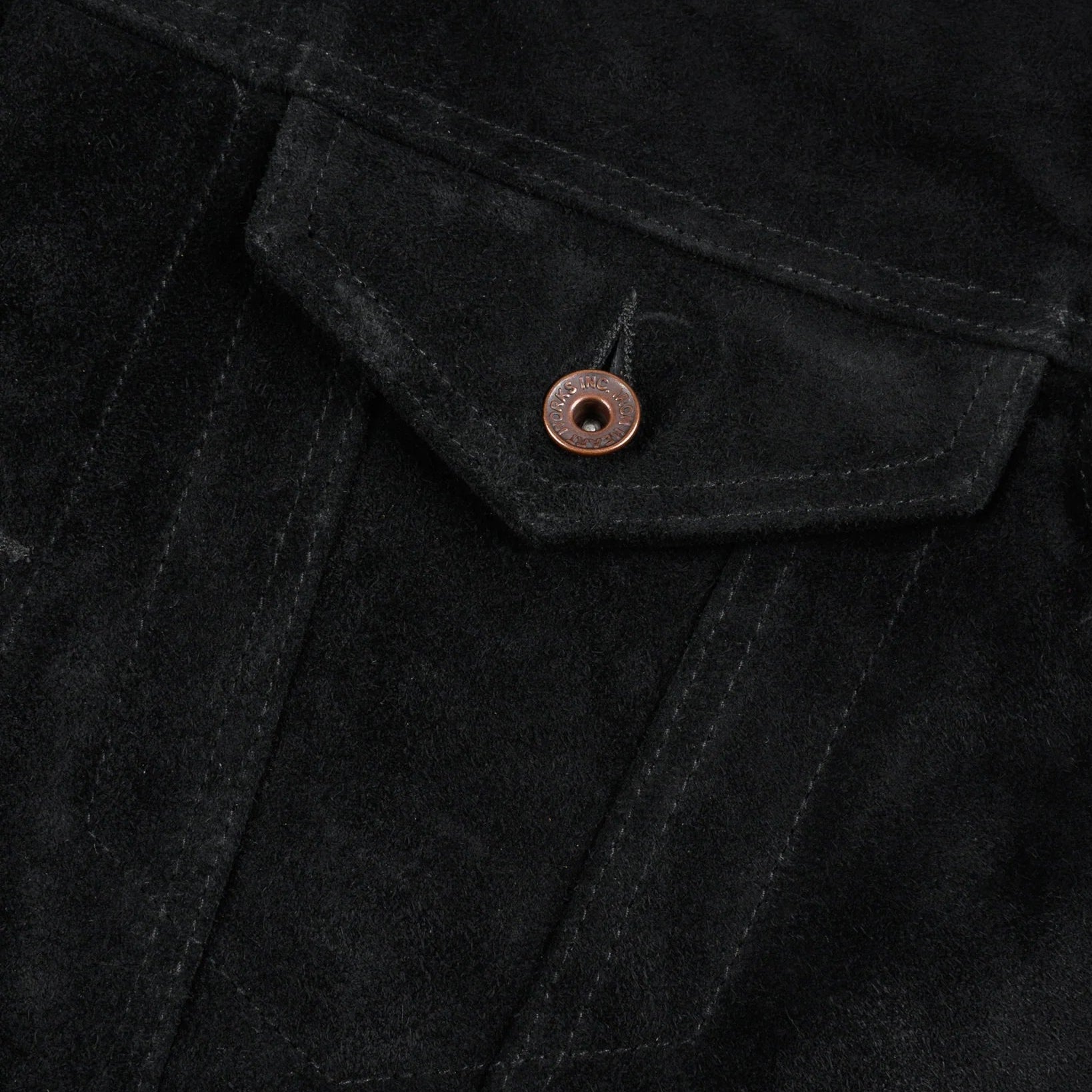
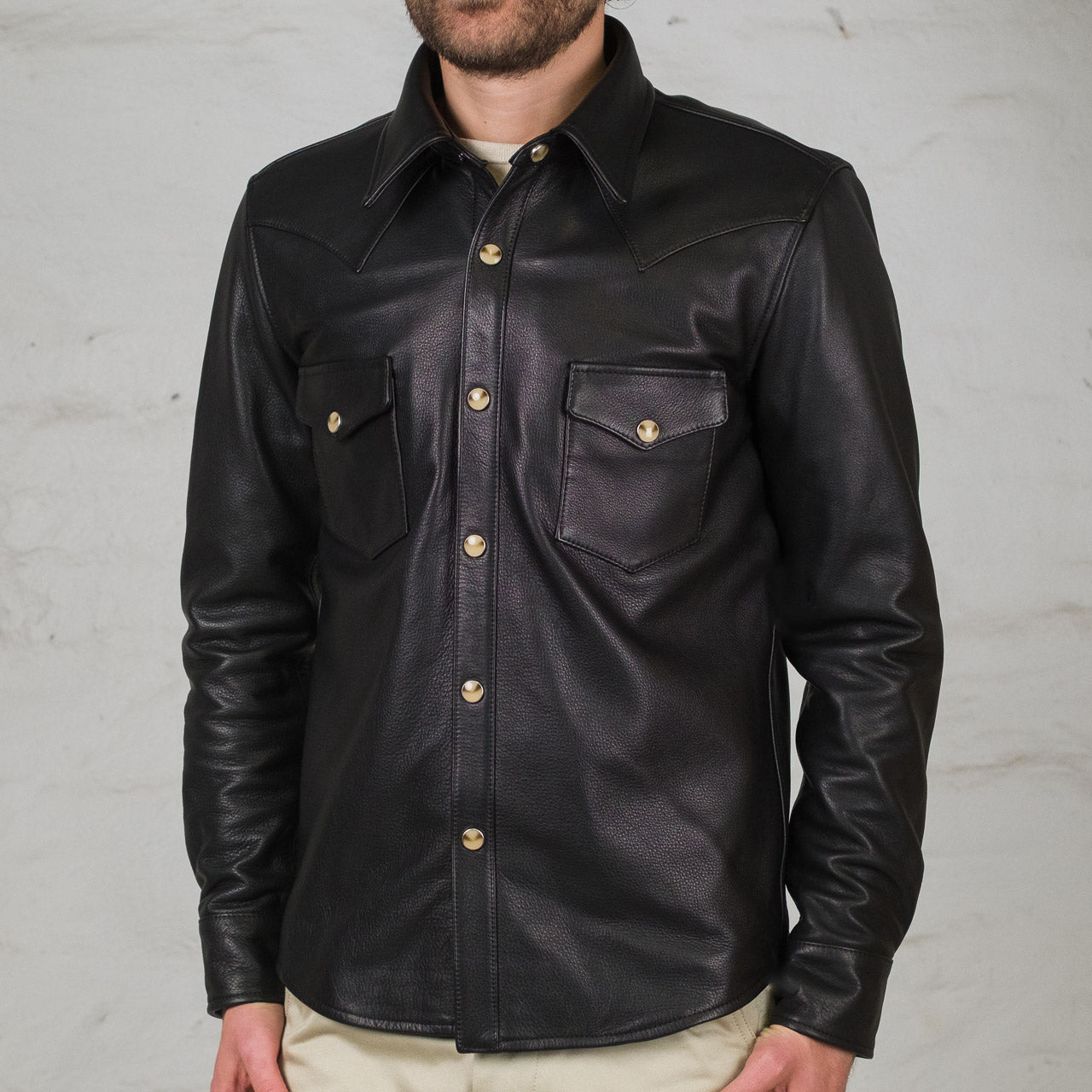
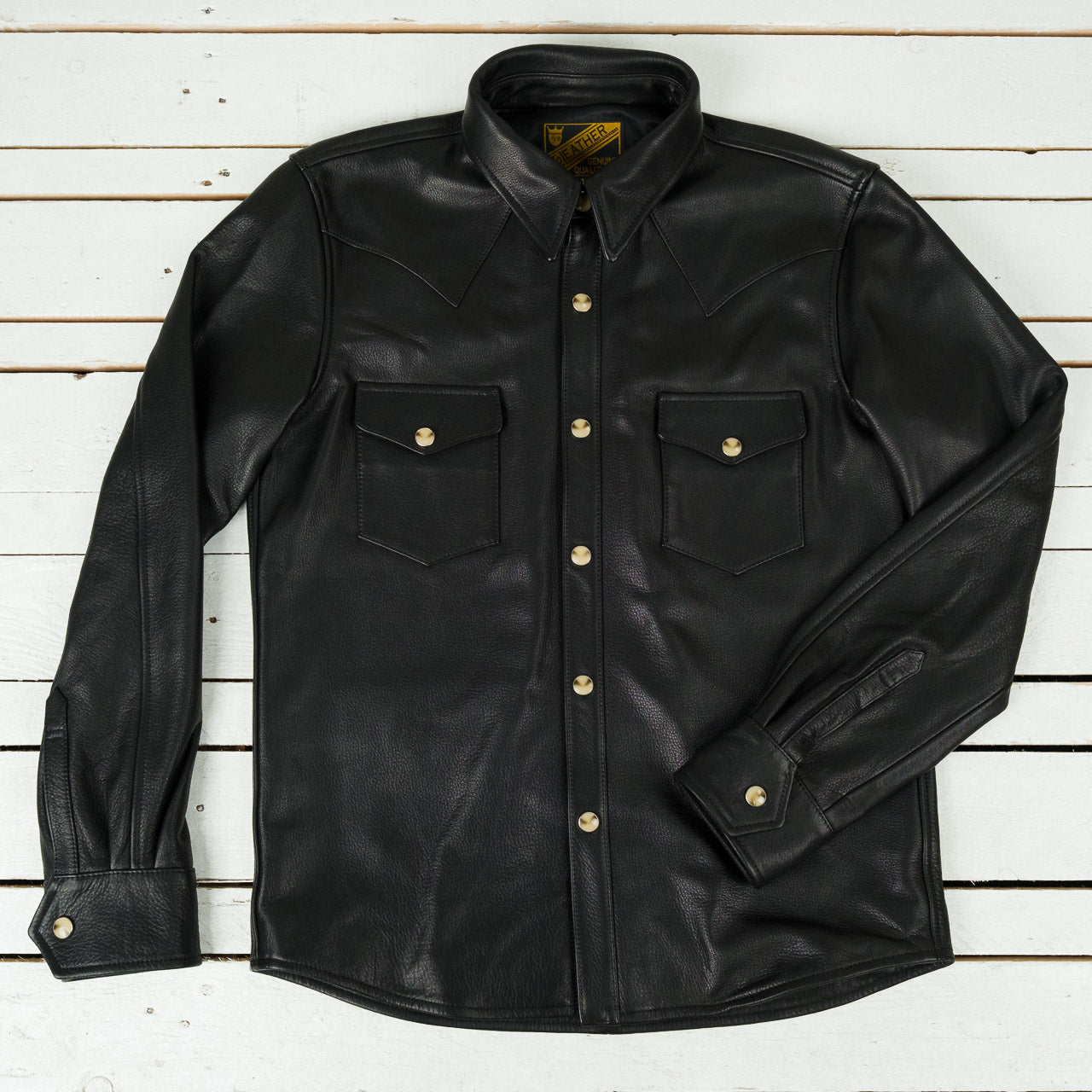
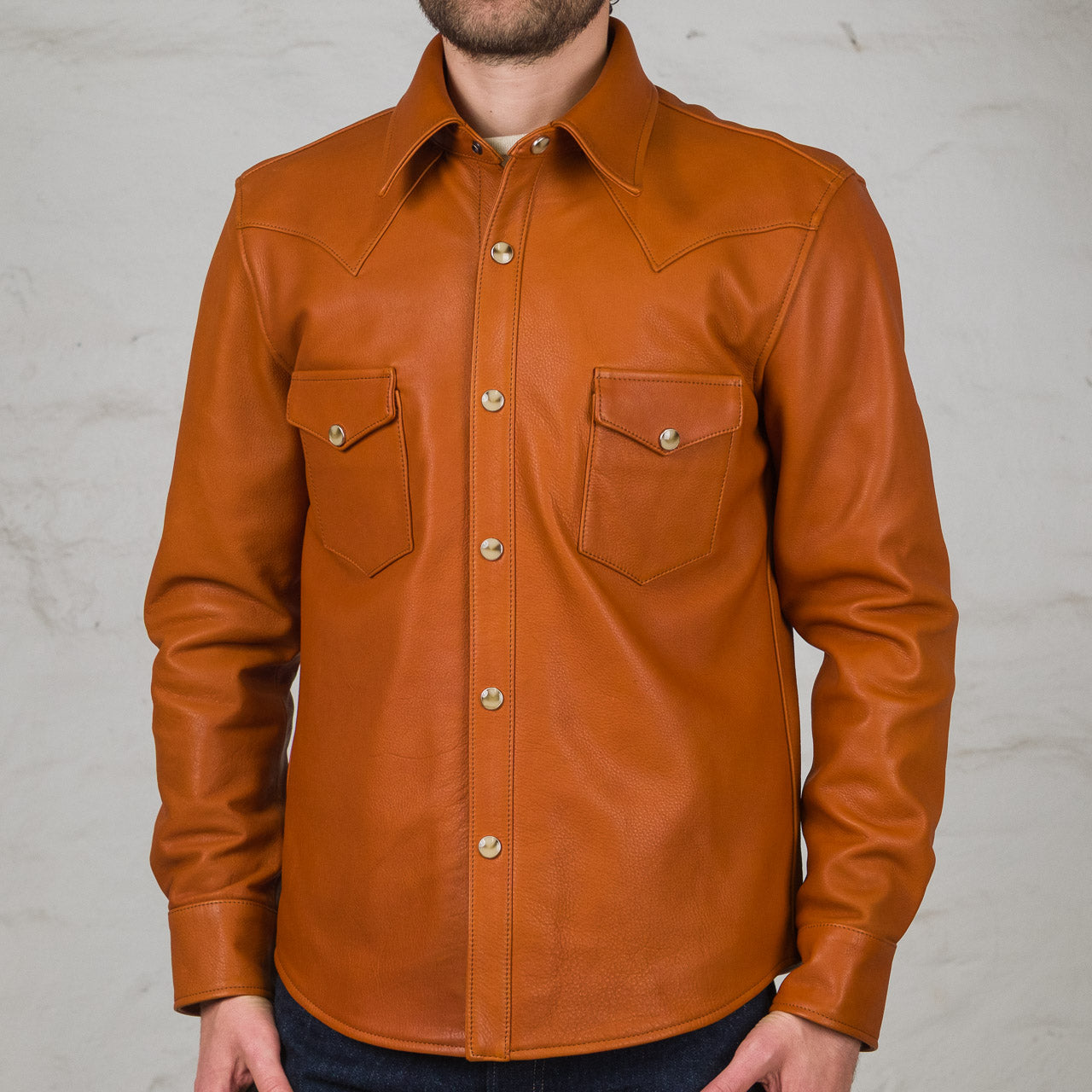
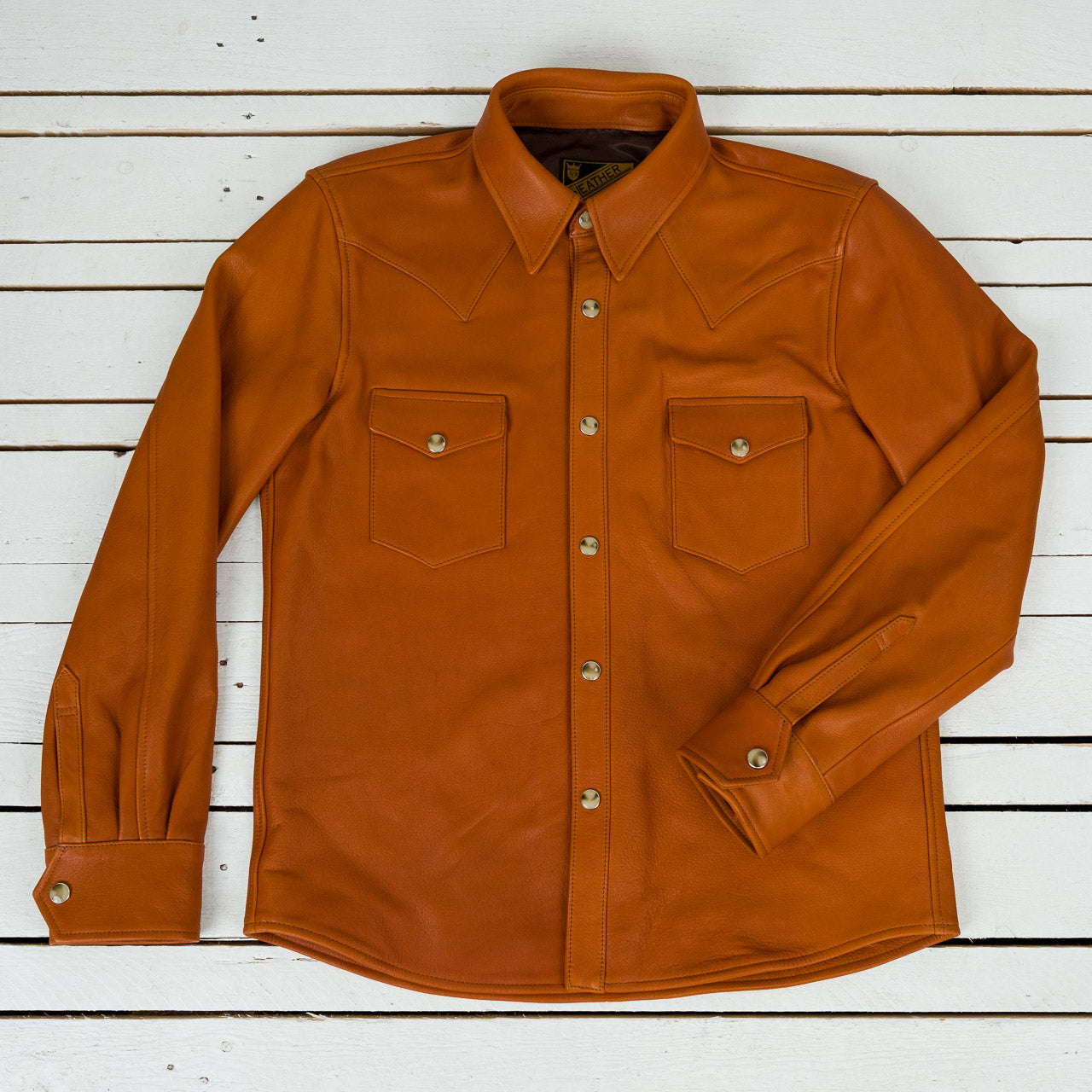
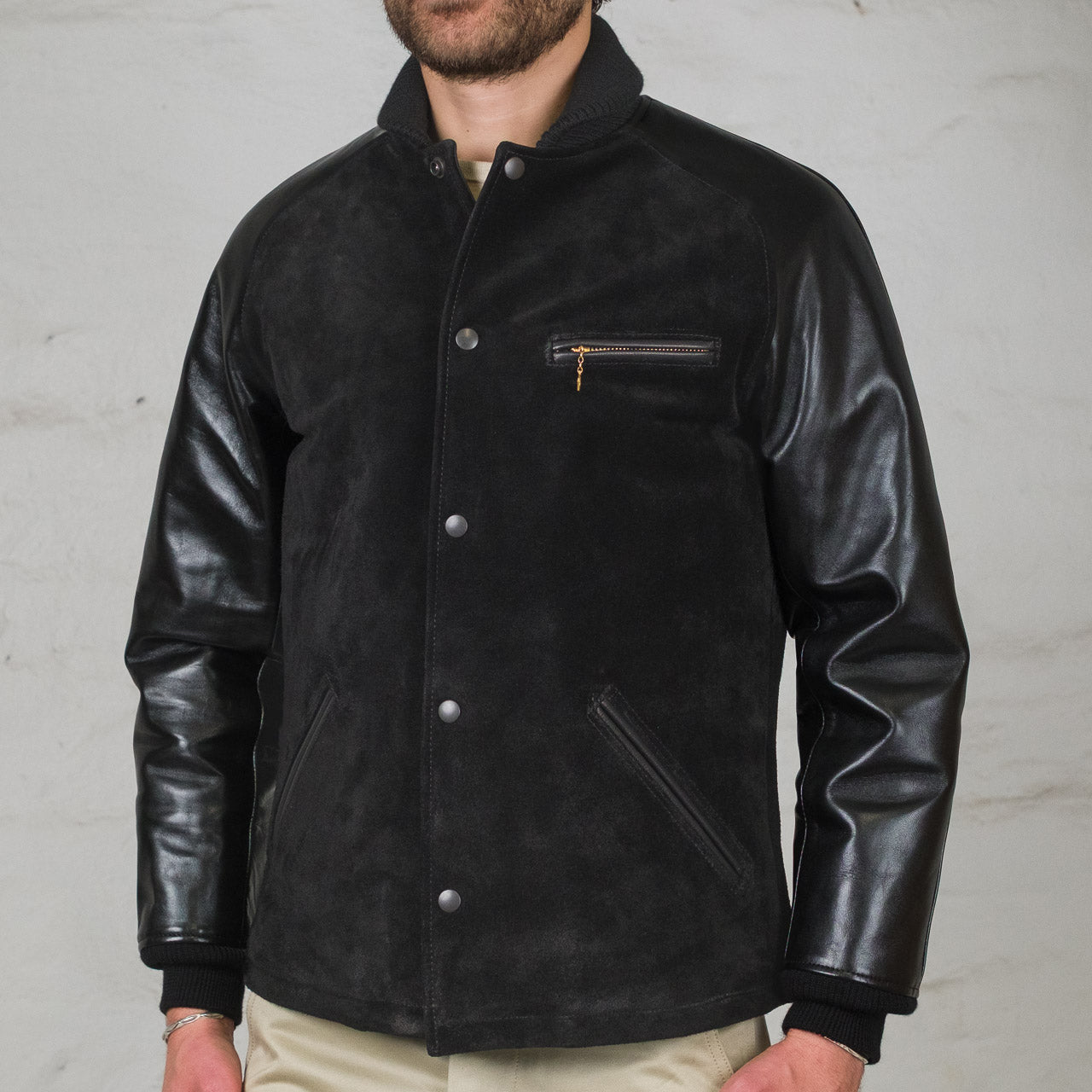
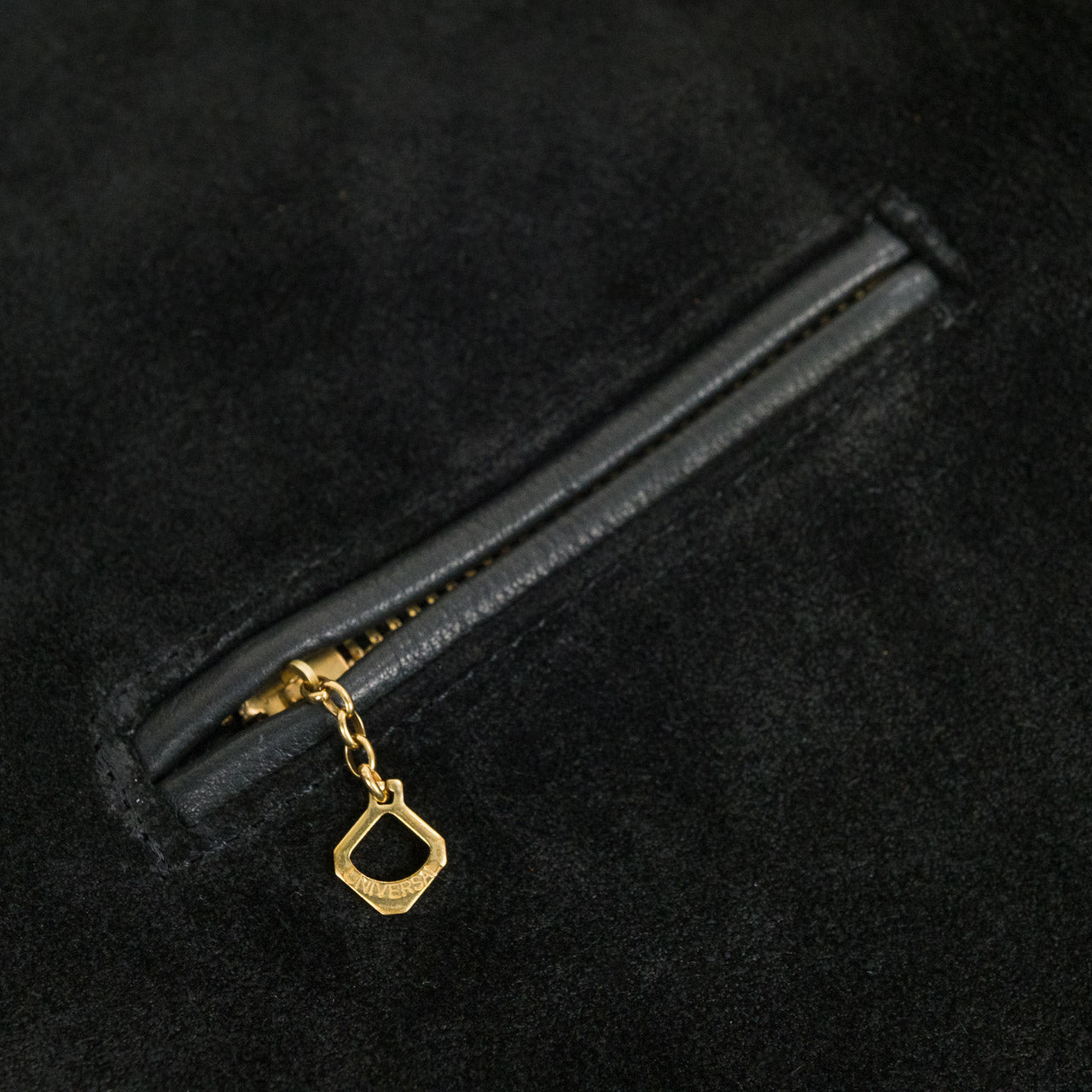





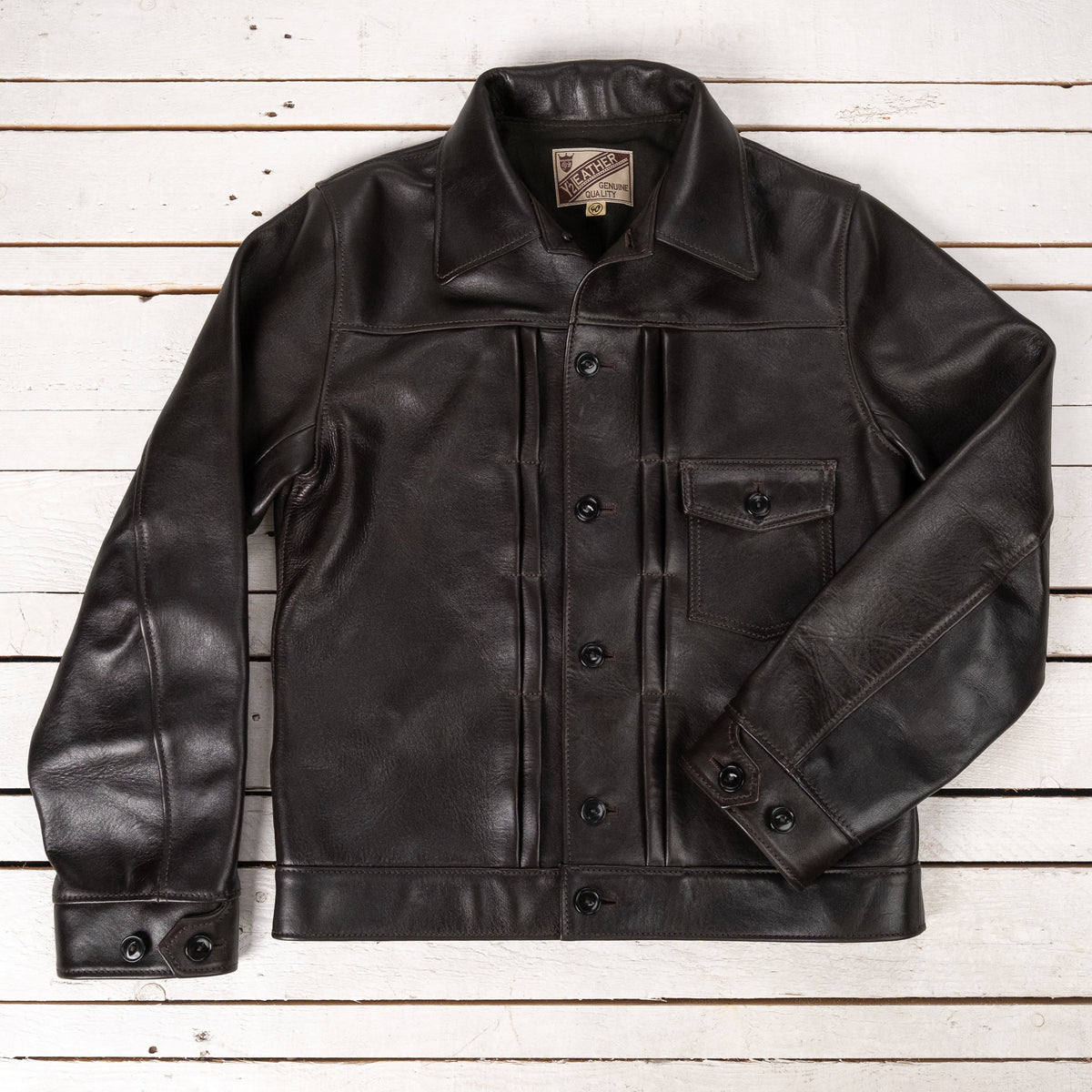
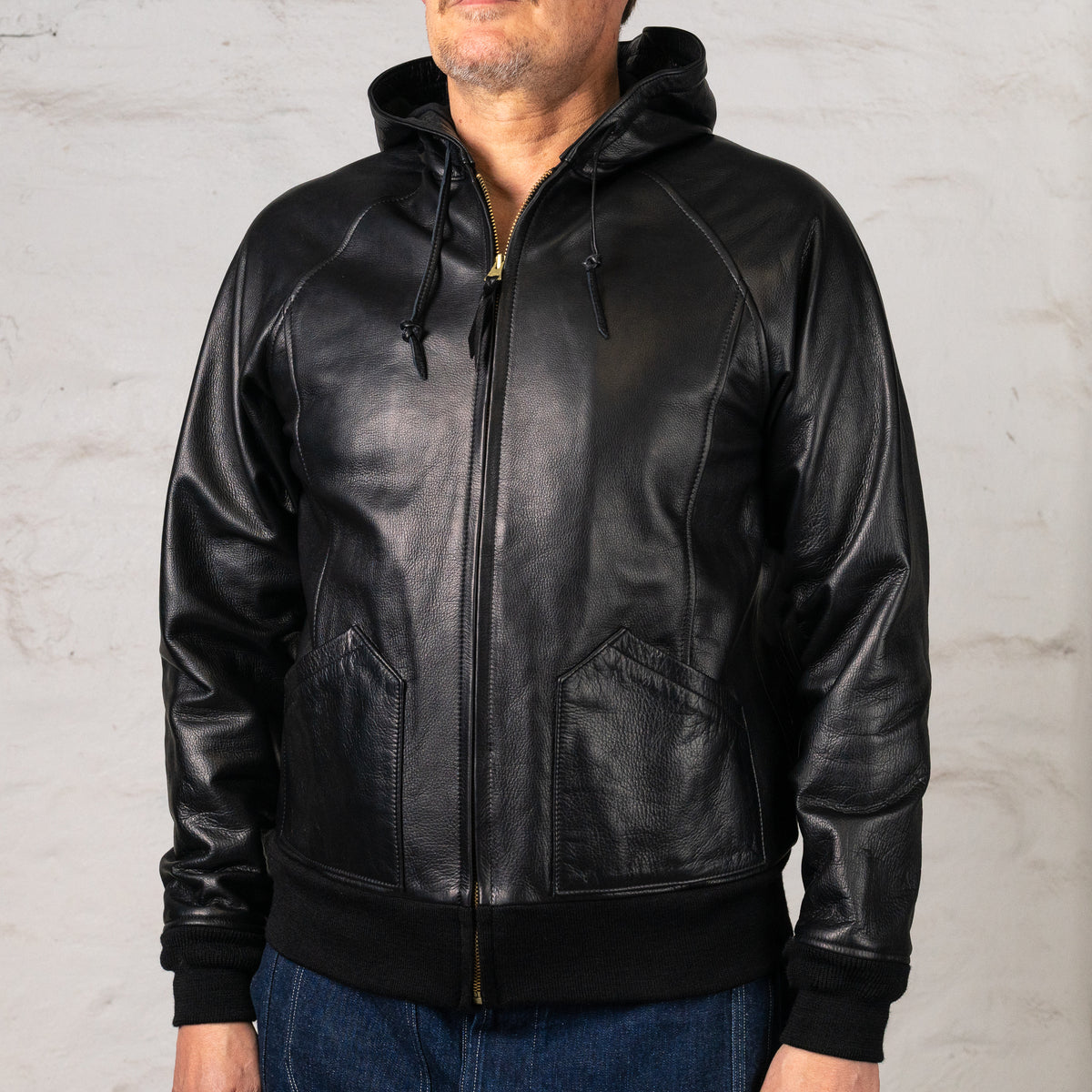
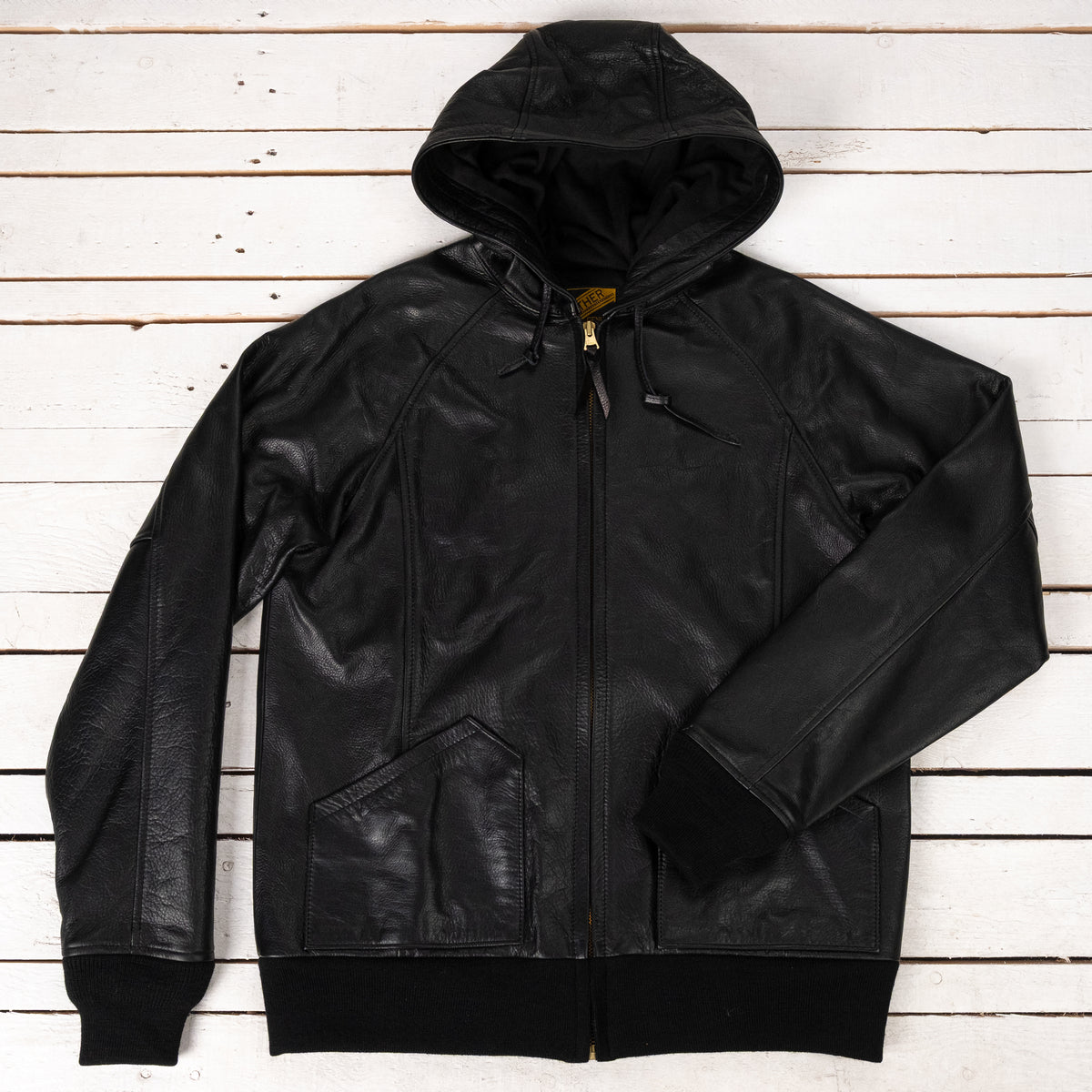
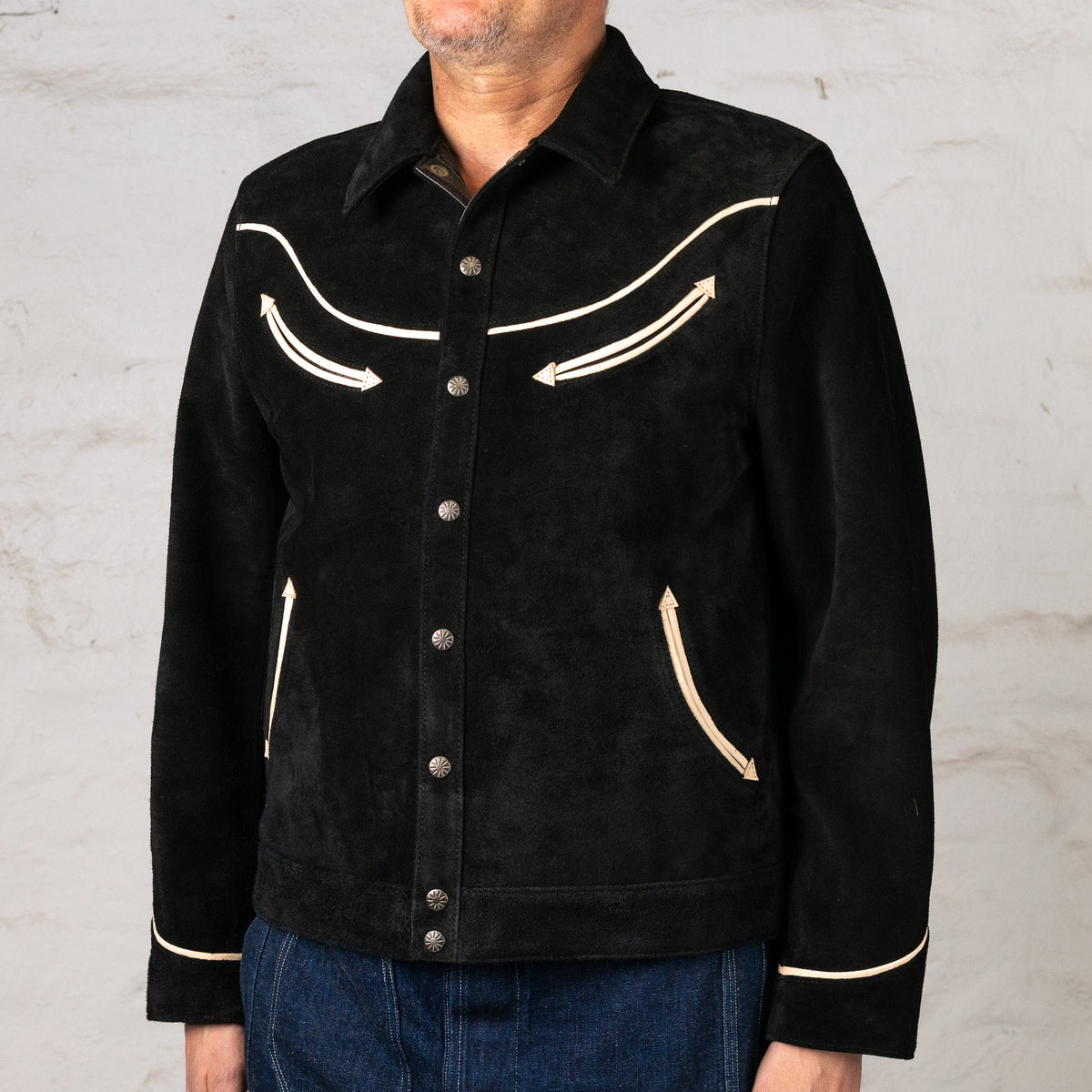
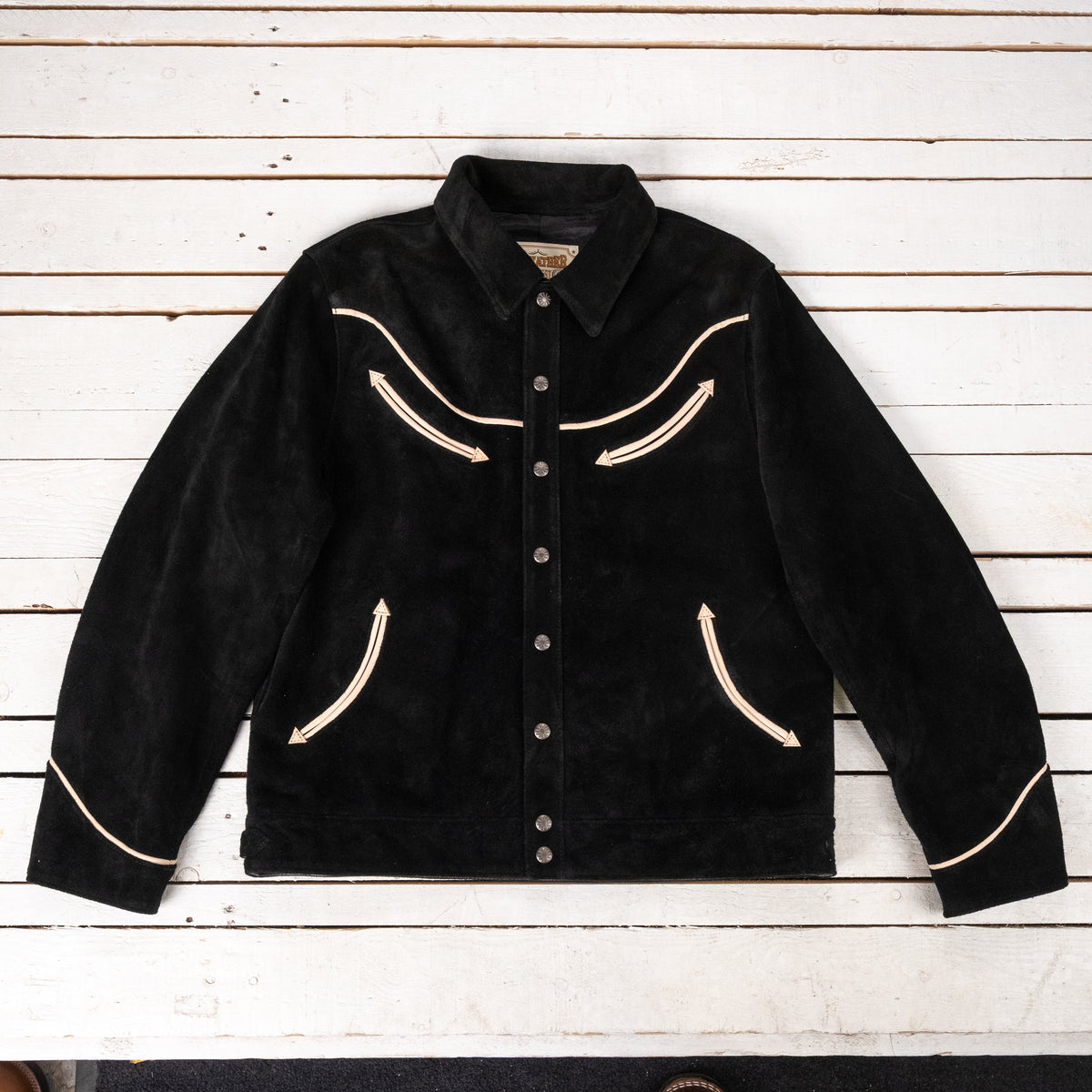
Men's Horsehide Jackets: Character from Authentic Horsehide
When you're looking for a leather jacket from us, you're not looking for a short-lived fashion accessory. You're looking for armor, a companion for decades, and a material that tells a story. In the world of heritage fashion, there's one leather that stands above all others: horsehide.
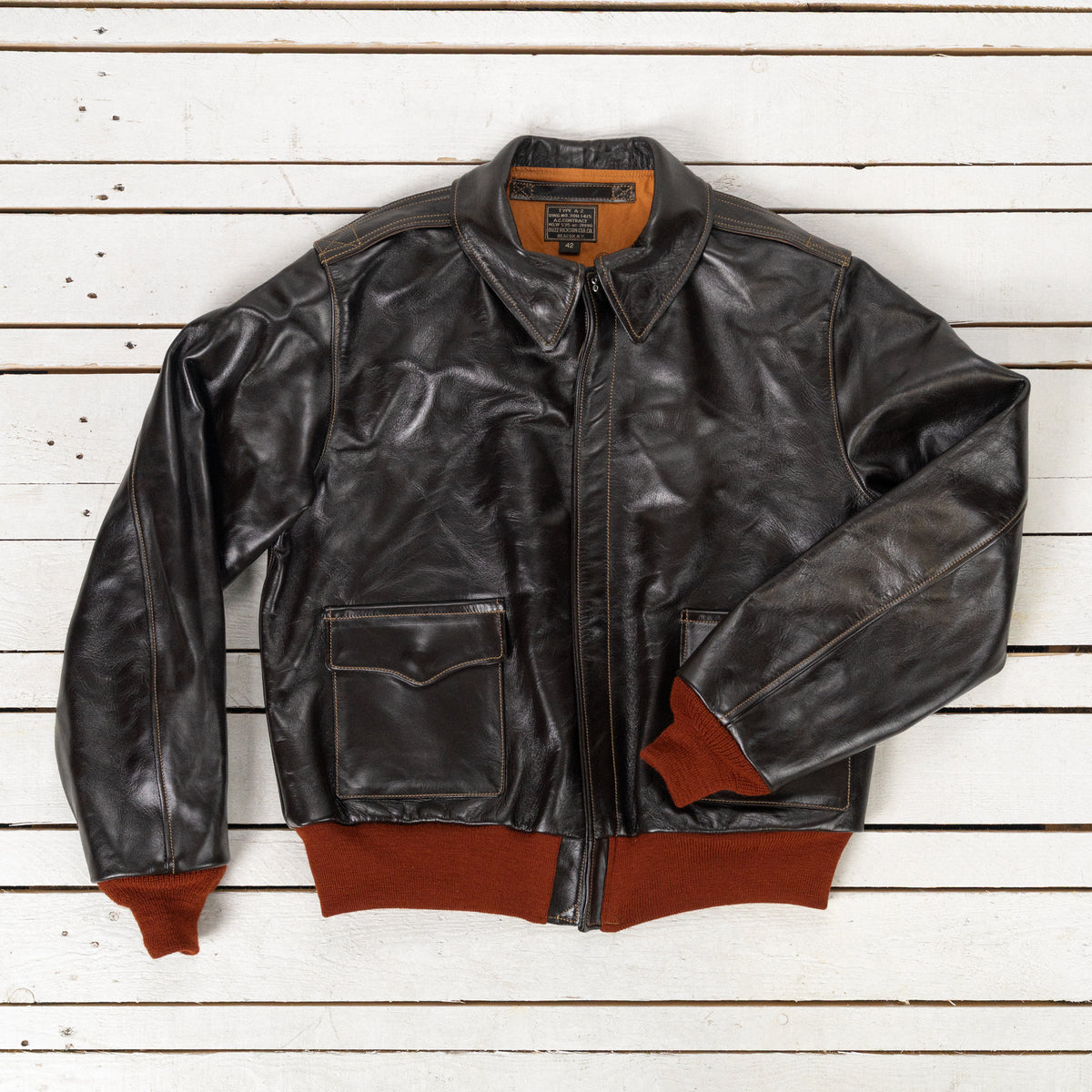
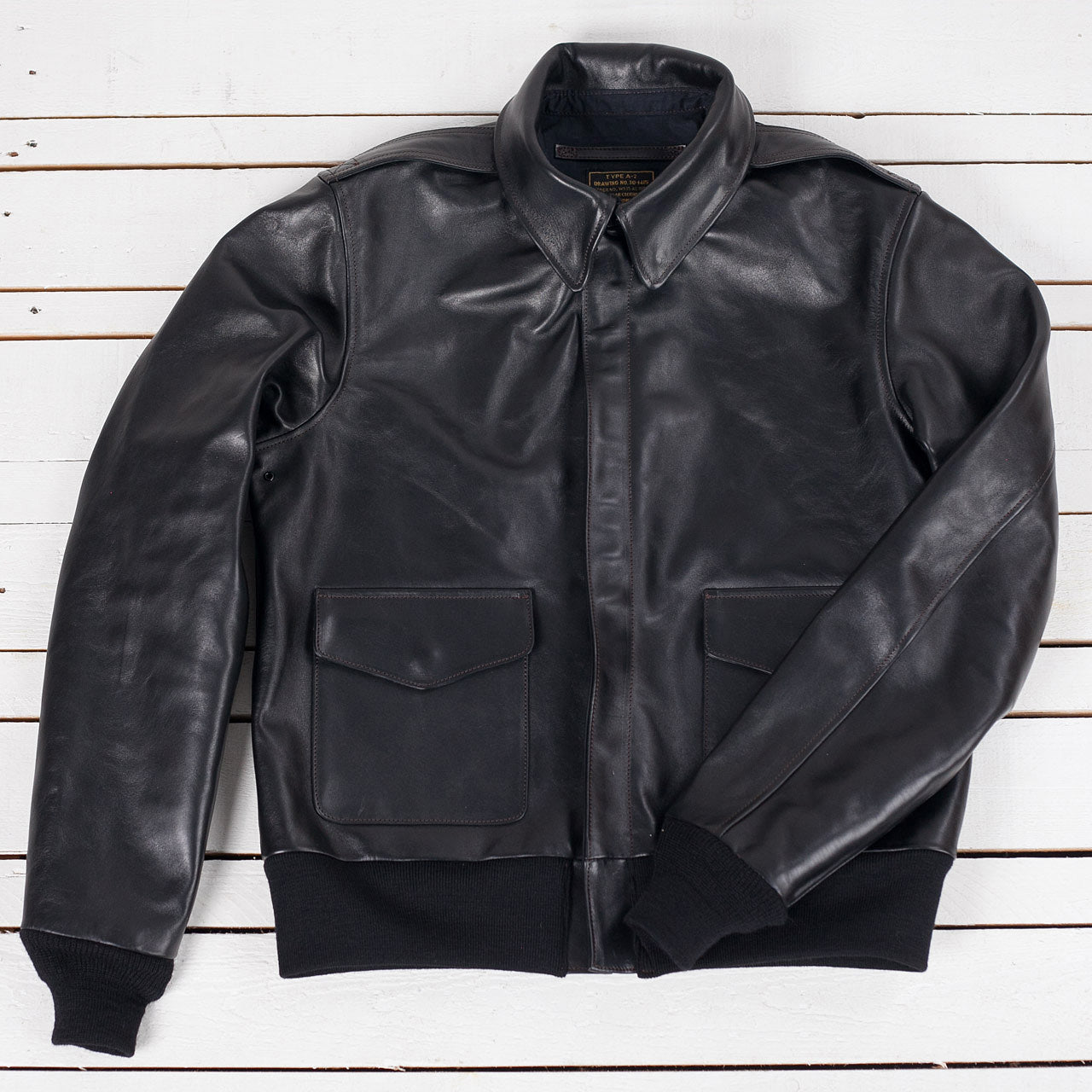
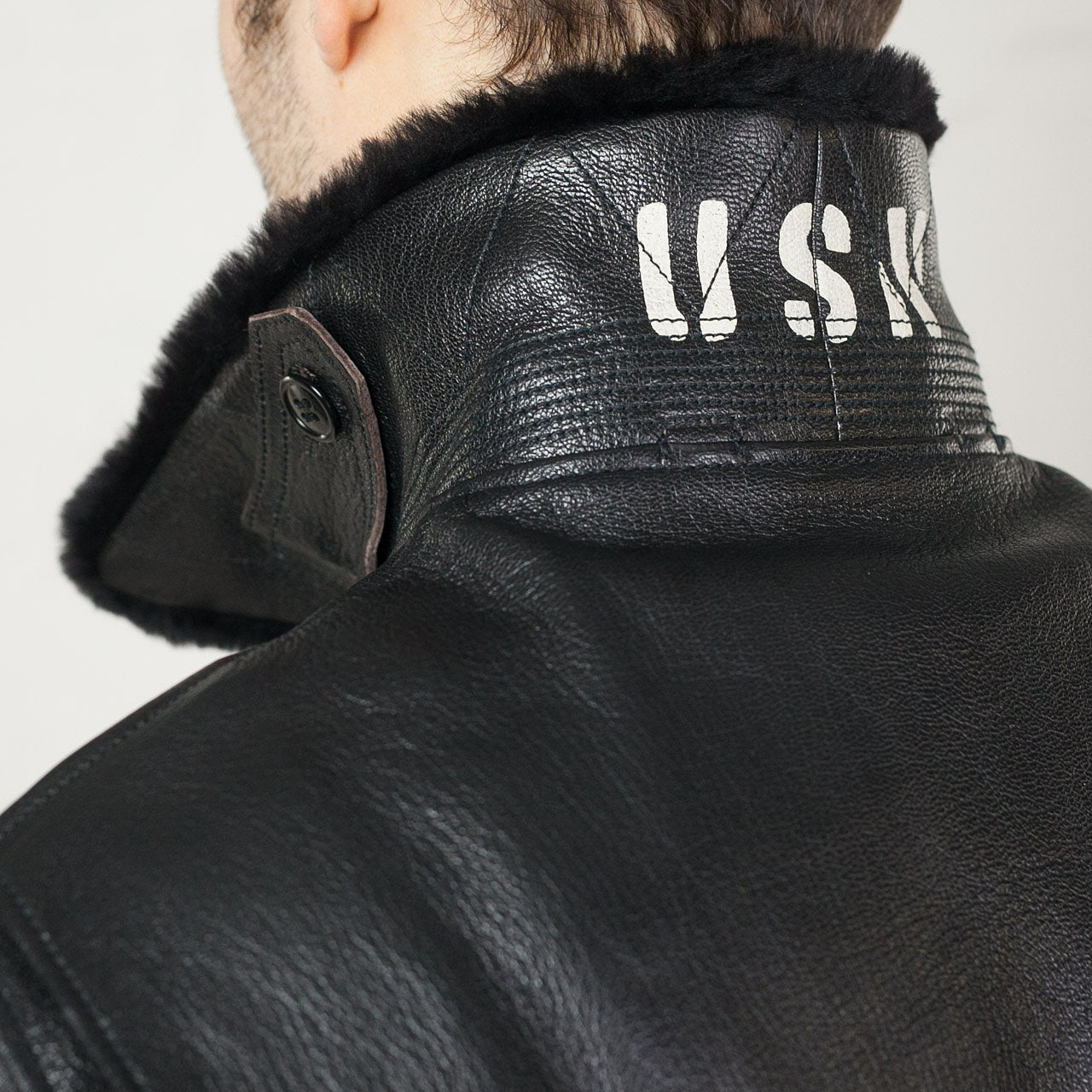
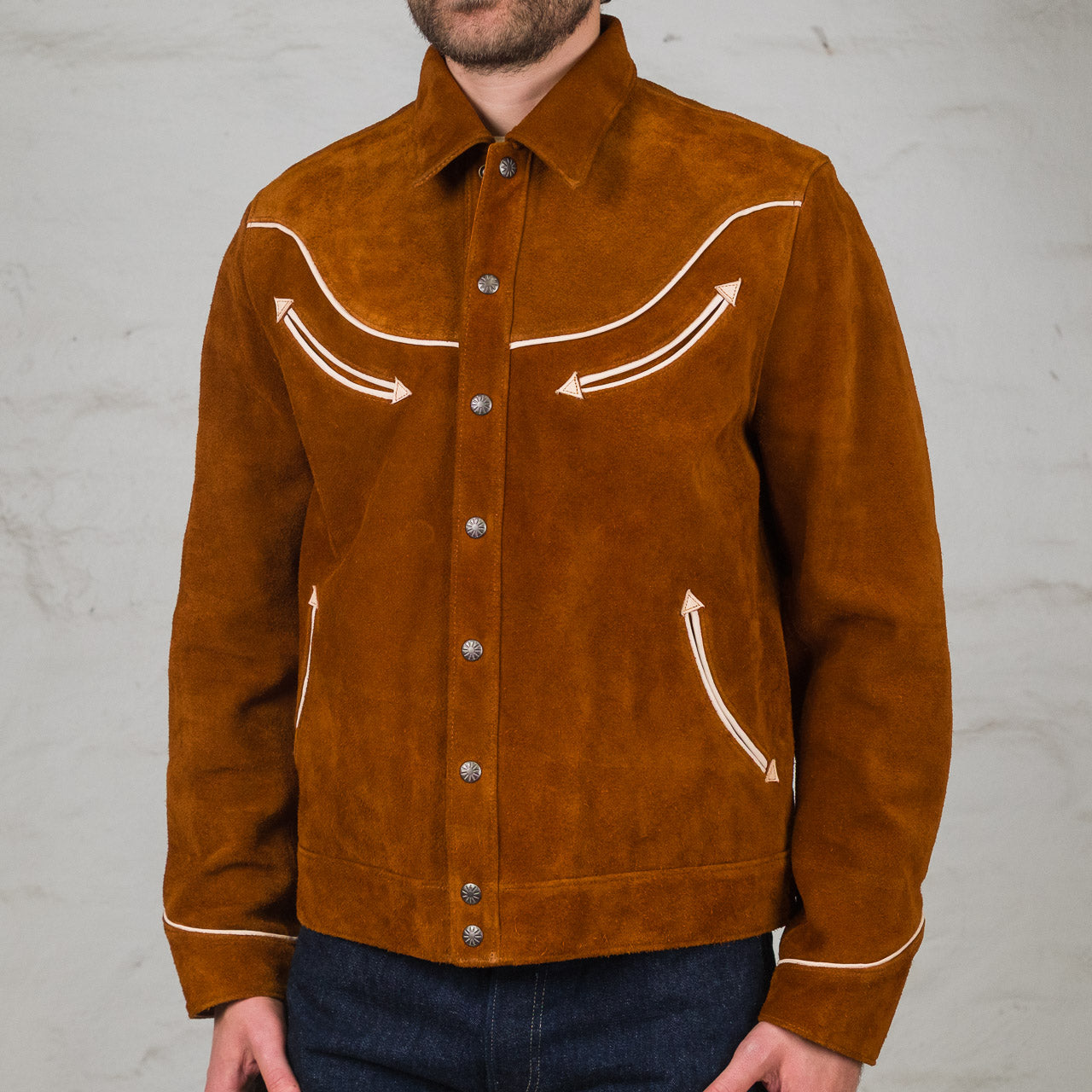
Horsehide jackets are the ultimate statement for purists. While conventional cowhide often impresses with its softness, genuine horsehide offers a density, structure, and natural indestructibility that is second to none. Originally valued for its protective function by motorcyclists and aviators of the 1930s and 40s, these jackets have now achieved cult status. At Burg & Schild, we curate a selection that embodies the spirit of this era without getting stuck in nostalgia. It's about honest craftsmanship, enduring time, and the incomparable aesthetic that only high-quality horsehide can develop.

The Material of Choice: Why Horsehide Makes the Difference
When it comes to men's leather jackets, the choice of hide is crucial for how the garment ages. Horsehide differs fundamentally from cowhide or lambskin. The fiber structure is much denser and more compact. This not only results in a higher weight and noticeable robustness but also a very specific grain pattern.
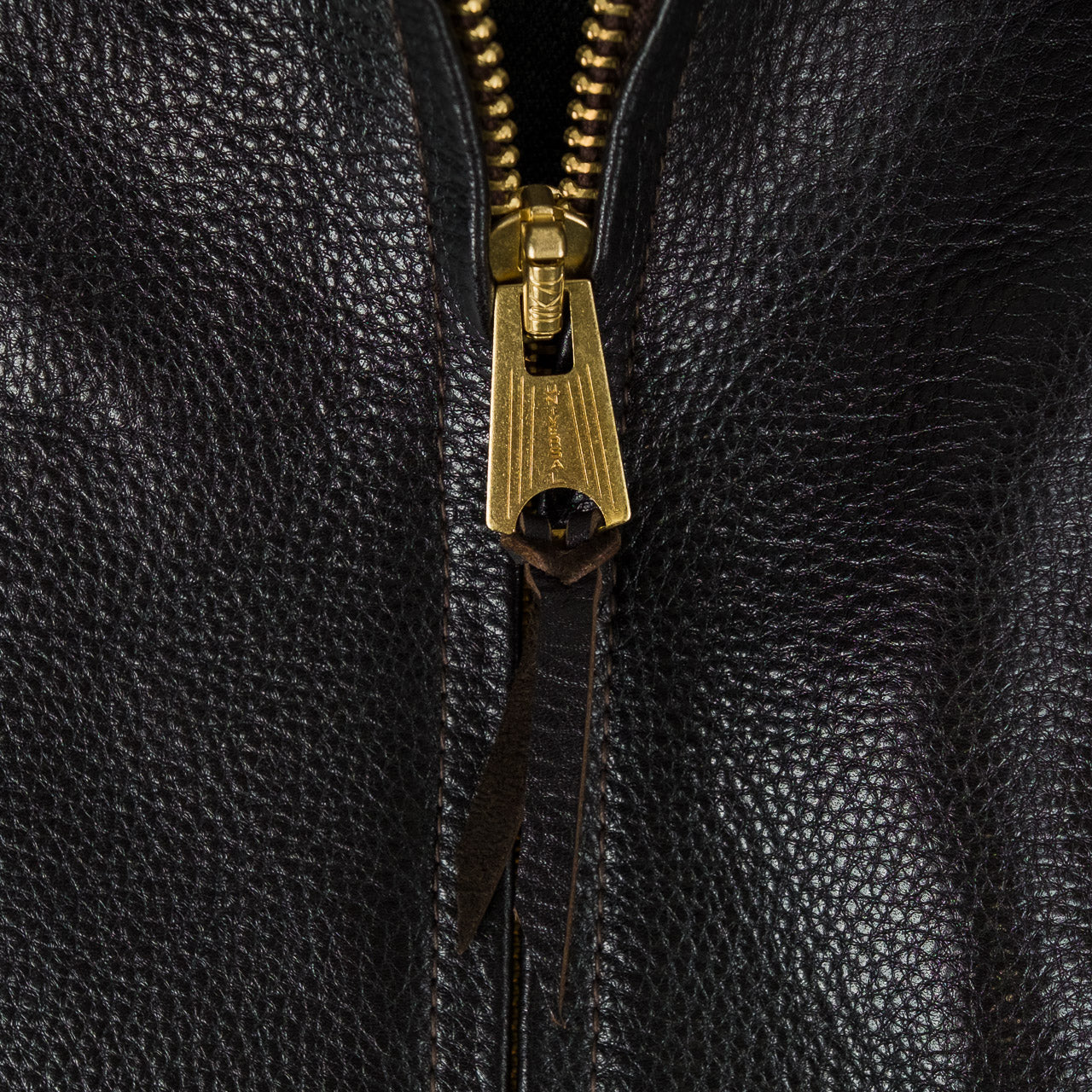
The so-called Front Quarter Horsehide is particularly prized. Only the front part of the horse, shoulder and neck area, is used for this. This leather is particularly durable and features a natural grain that makes each jacket unique. It is a material that resists. A new jacket made of heavy horsehide initially feels almost stiff, like a board. But this is exactly where the journey begins for every denim and heritage enthusiast.
The "Break-in": Wearing in the Jacket
Breaking in a horsehide jacket is a ritual. It requires patience and wearing time. Through body heat and constant movement, the leather adapts to the contours of the wearer. Where wrinkles form, mostly at the elbows or hem, the stiffness breaks down, and the leather becomes supple without losing its shape. Once you've gone through this process, you'll never want to go back to a standard jacket.

Shinki Hikaku and the Art of Tanning
In the heritage scene, there's no getting around Japan. When it comes to the best horsehide in the world, one name invariably comes to mind: Shinki Hikaku. This family-run tannery in Himeji is the only one worldwide that specializes almost exclusively in refining horsehide.
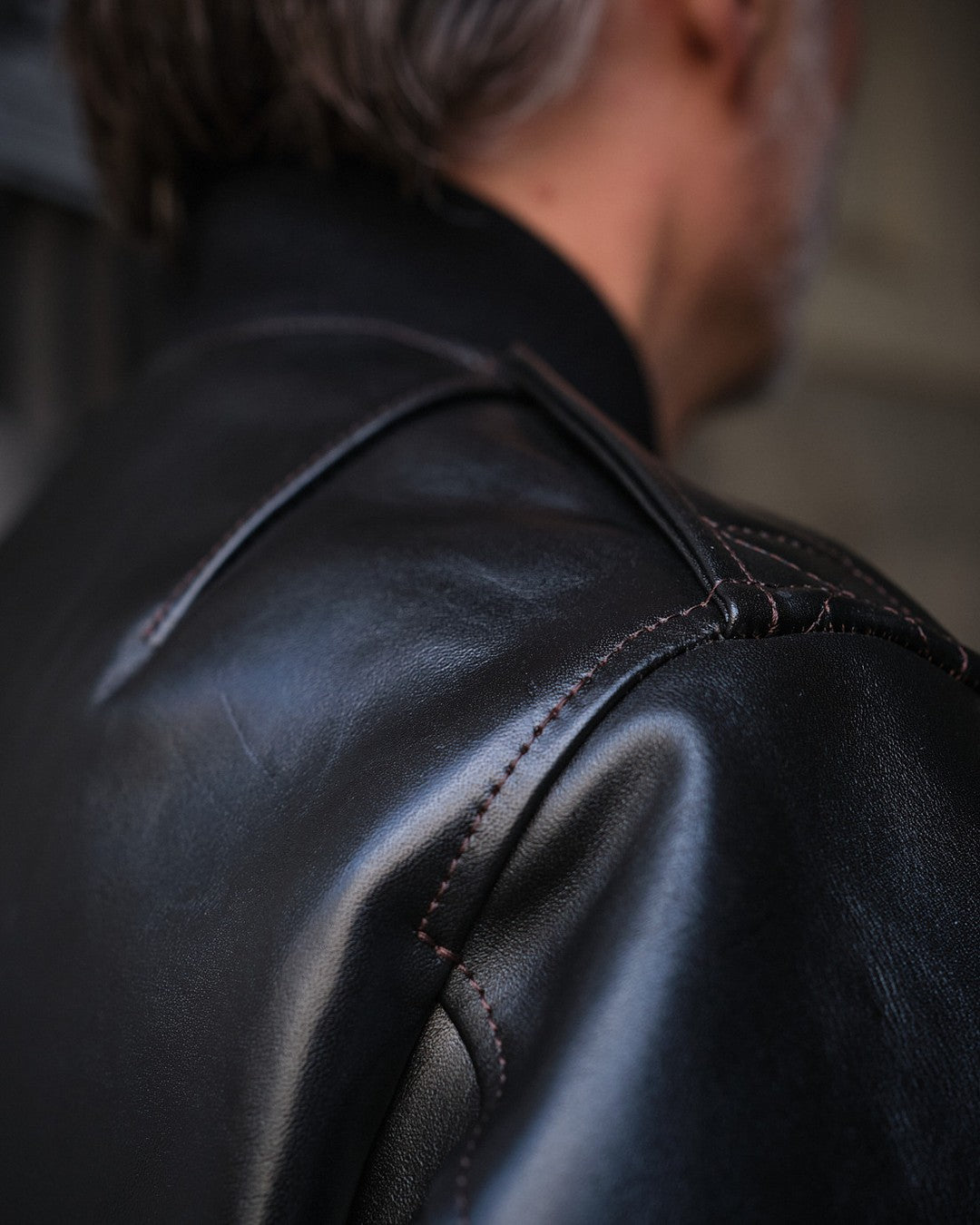
Japanese horsehide from Shinki Hikaku is the ultimate. The tanning process there often takes months. A combination of vegetable tanning (with plant-based substances like Mimosa or Quebracho) and special finishing techniques creates a leather with incredible depth. What's special about Shinki Horsehide is the way the pigmentation is applied. Often the leather is "teacore" dyed. This means the leather is brown in the core and only superficially dyed black. Over time and with wear, the brown core shines through in stressed areas, creating the patina.
The Color Spectrum: From Deep Black to Unadulterated "Natural"
When choosing a horsehide jacket, it's not just about the cut, but primarily about how the color interacts with your lifestyle over the years. Since we almost exclusively use vegetable-tanned leather for our leather jackets, the color is not a static state, but a snapshot.
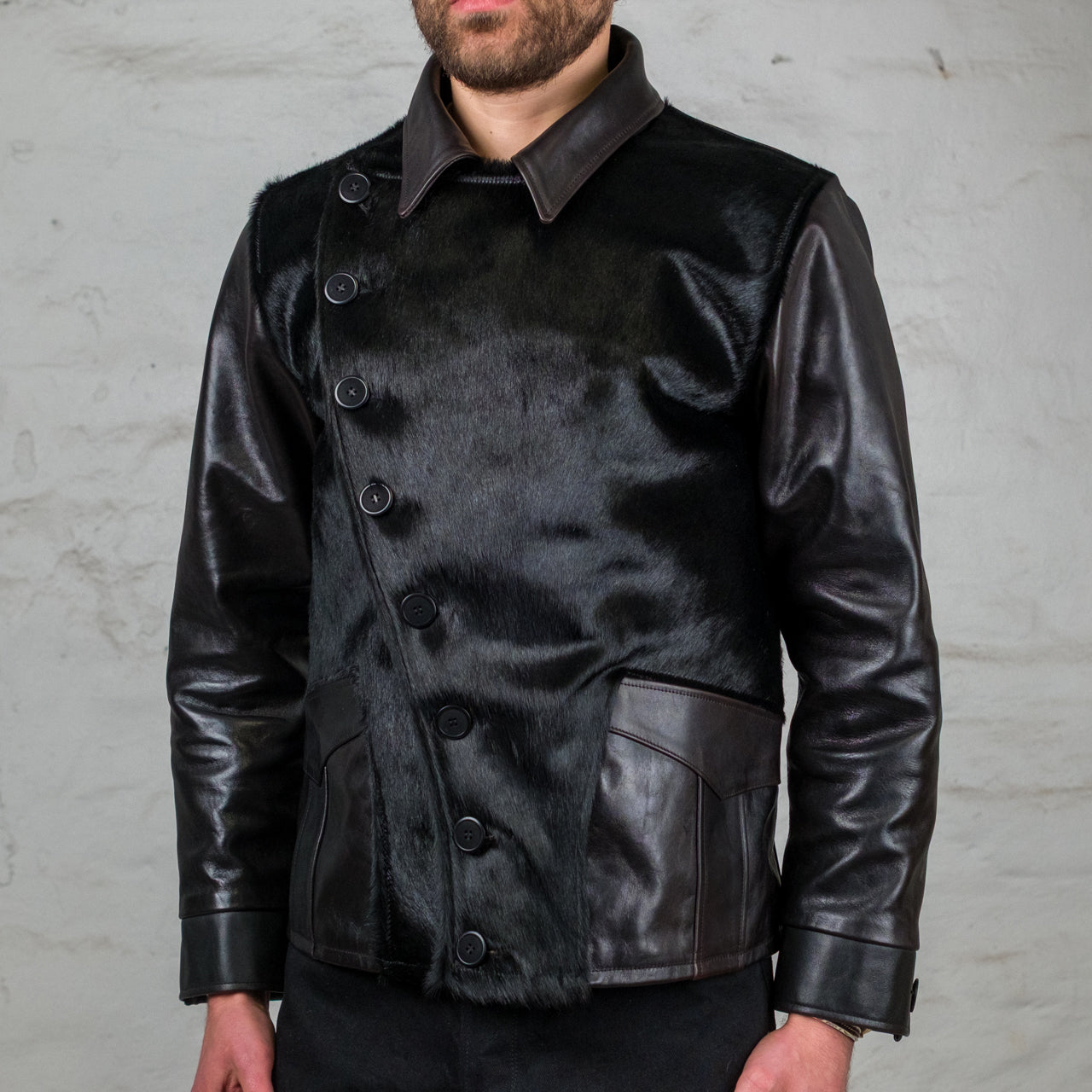
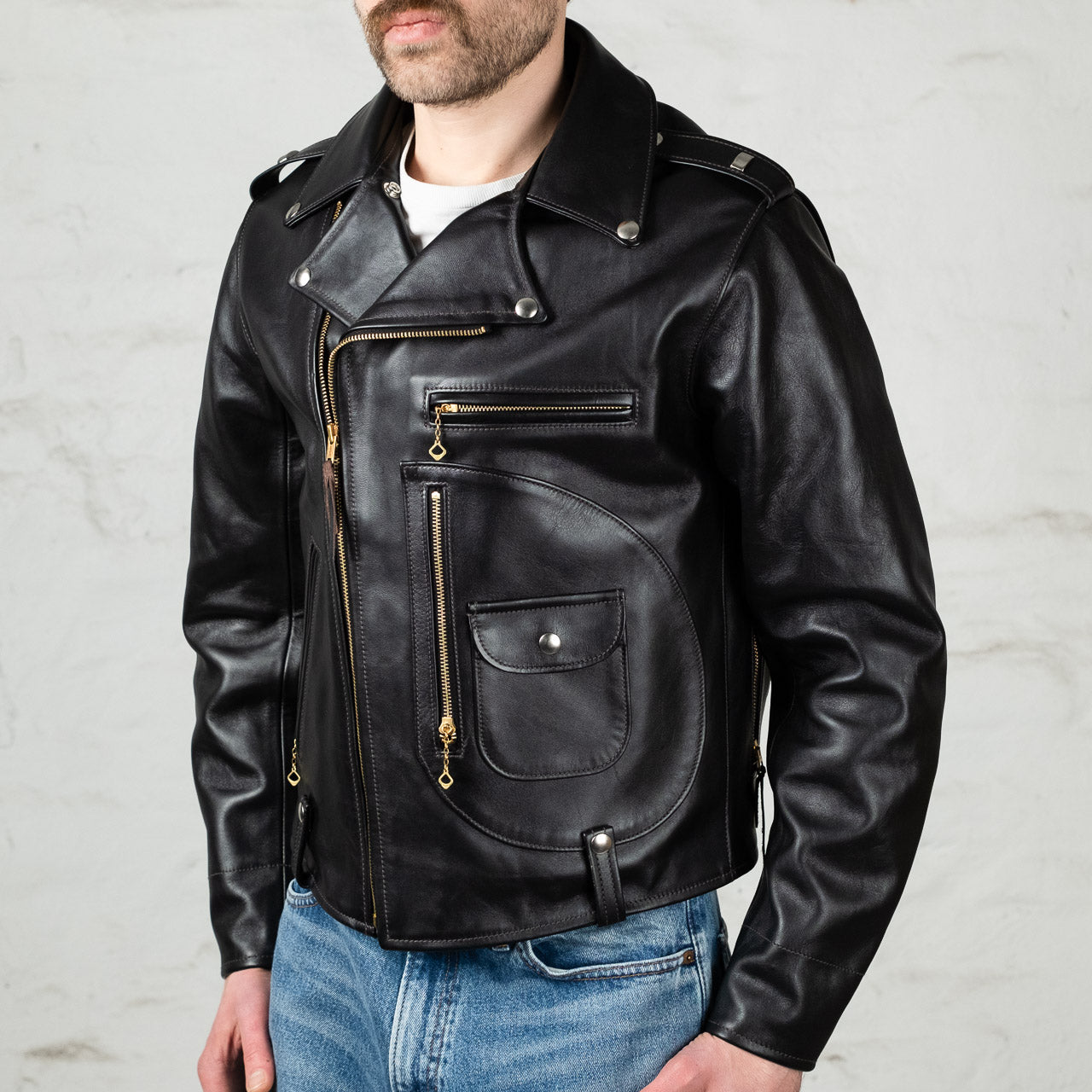
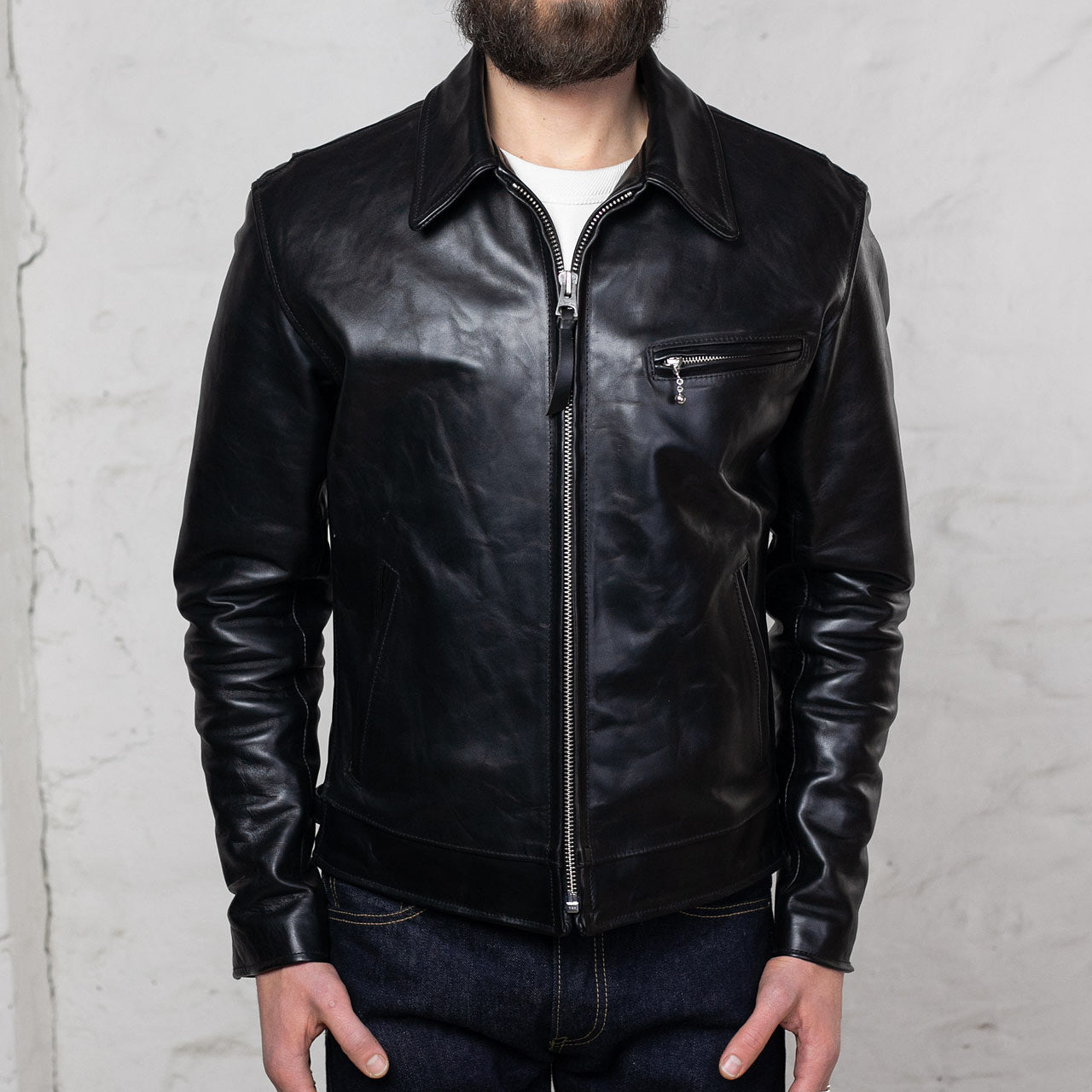
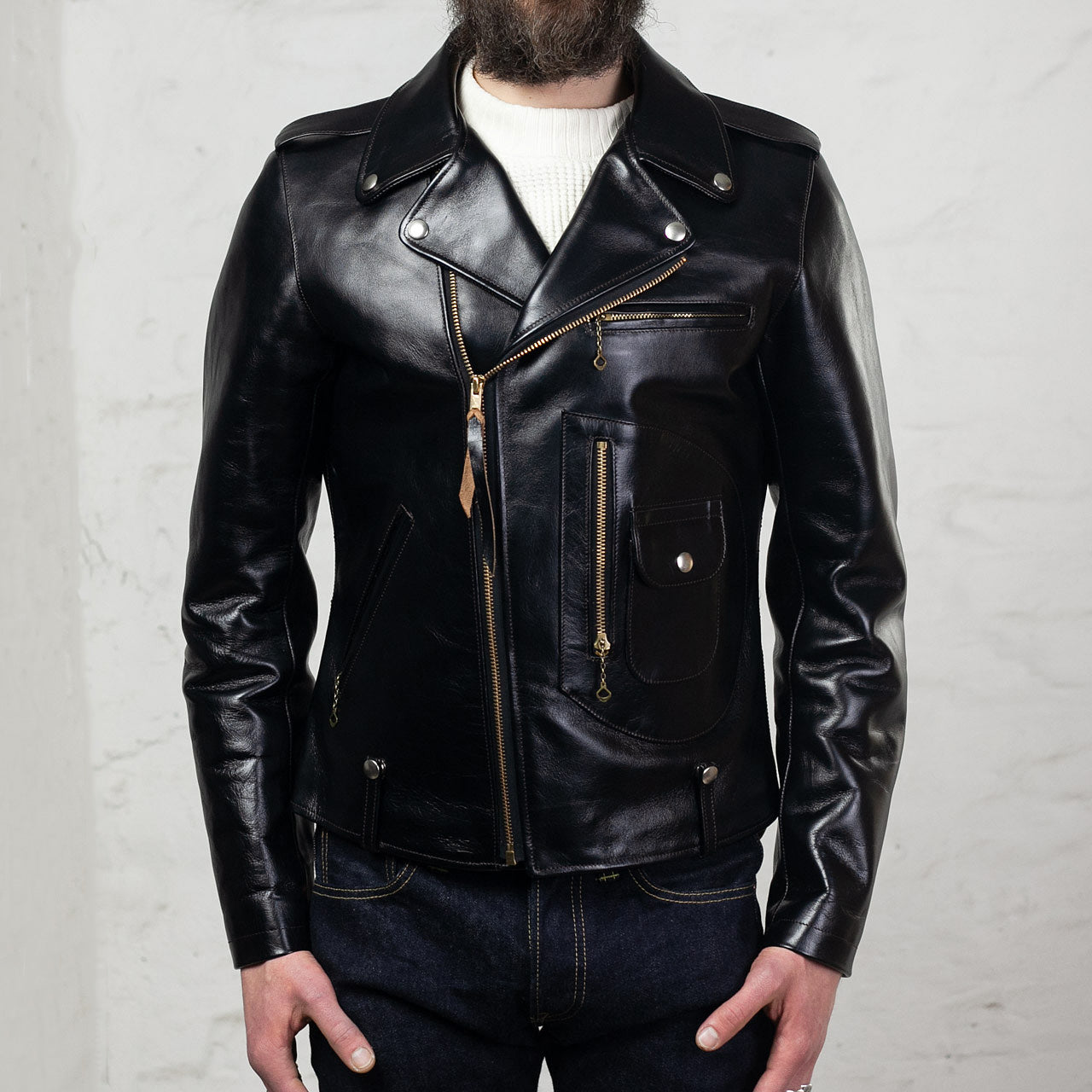
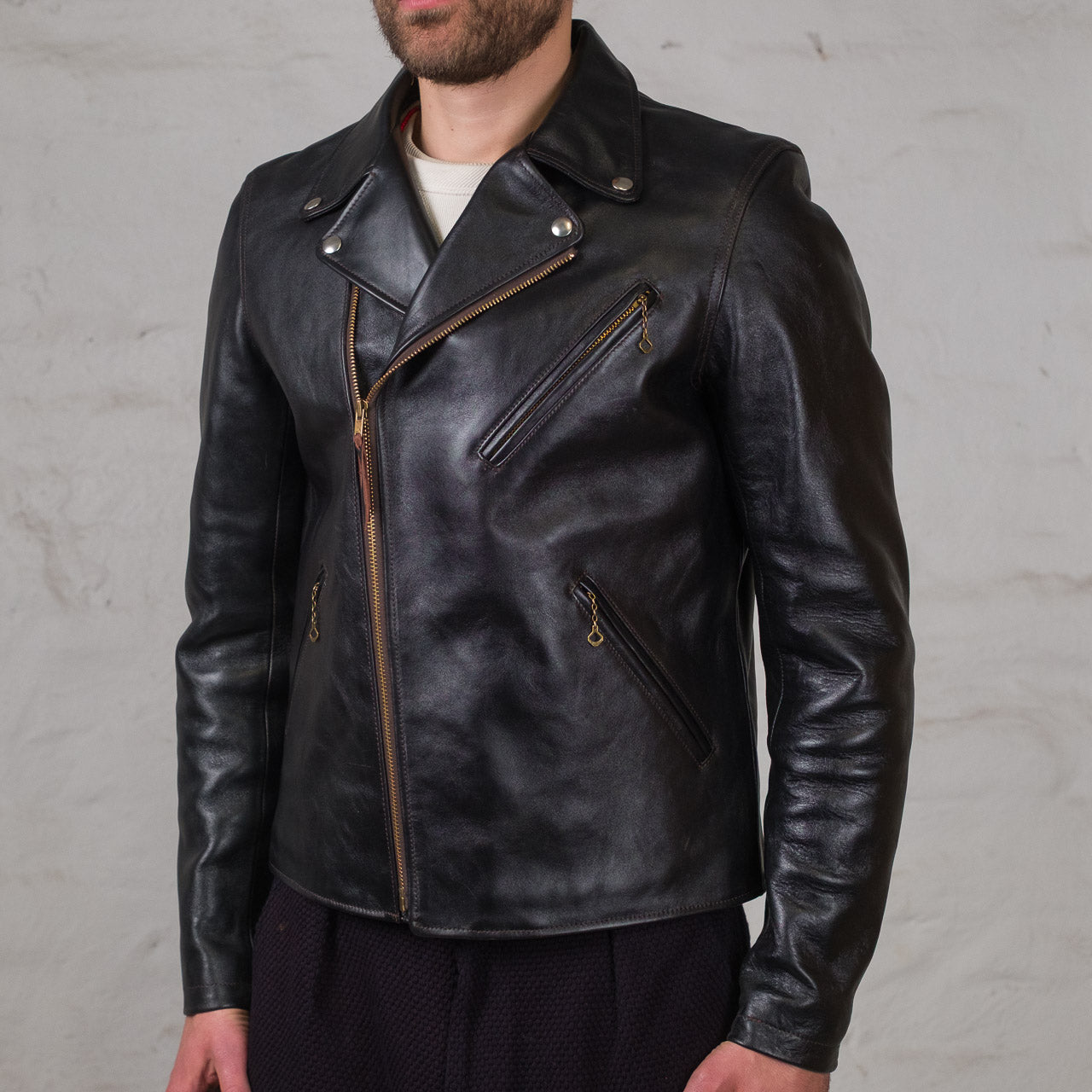
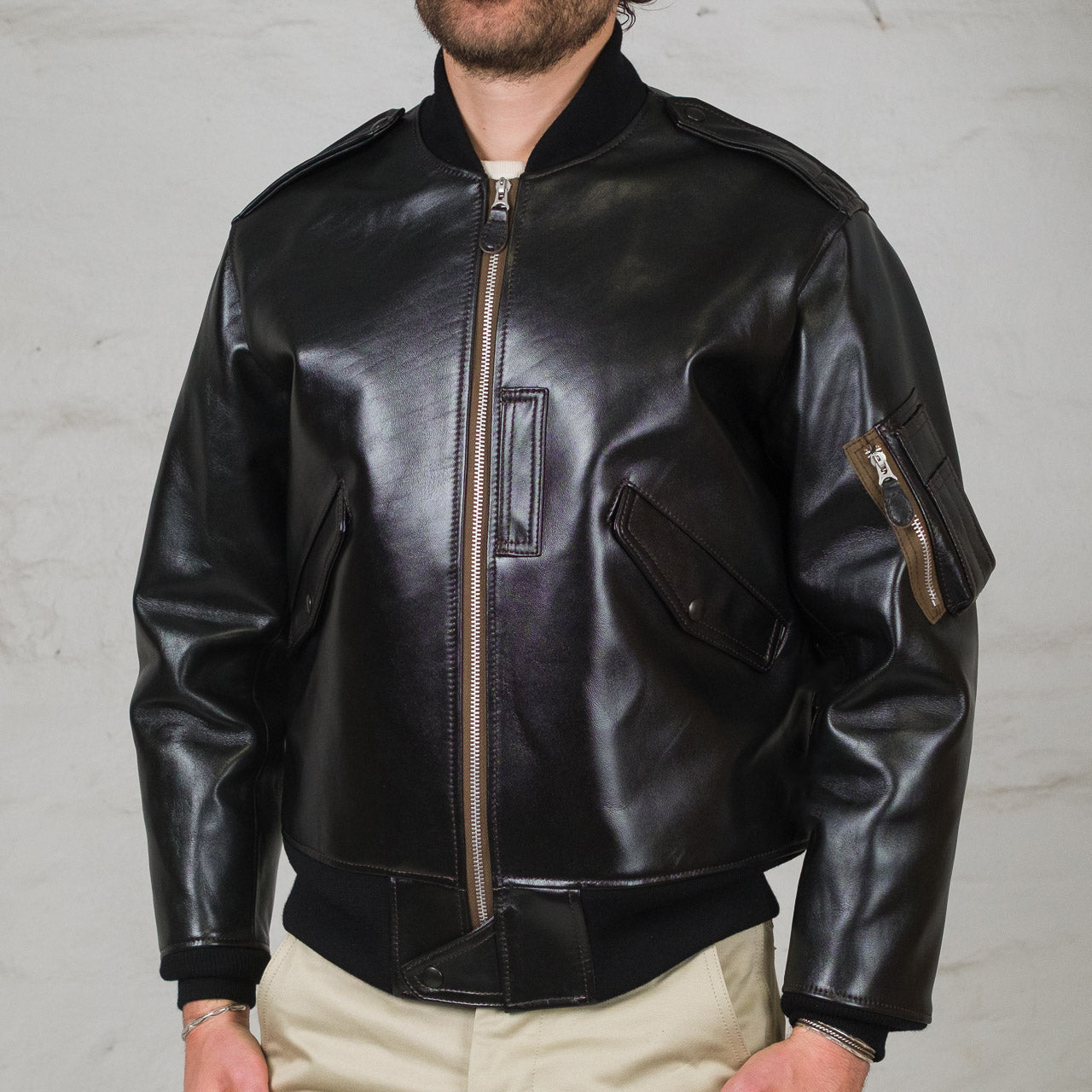
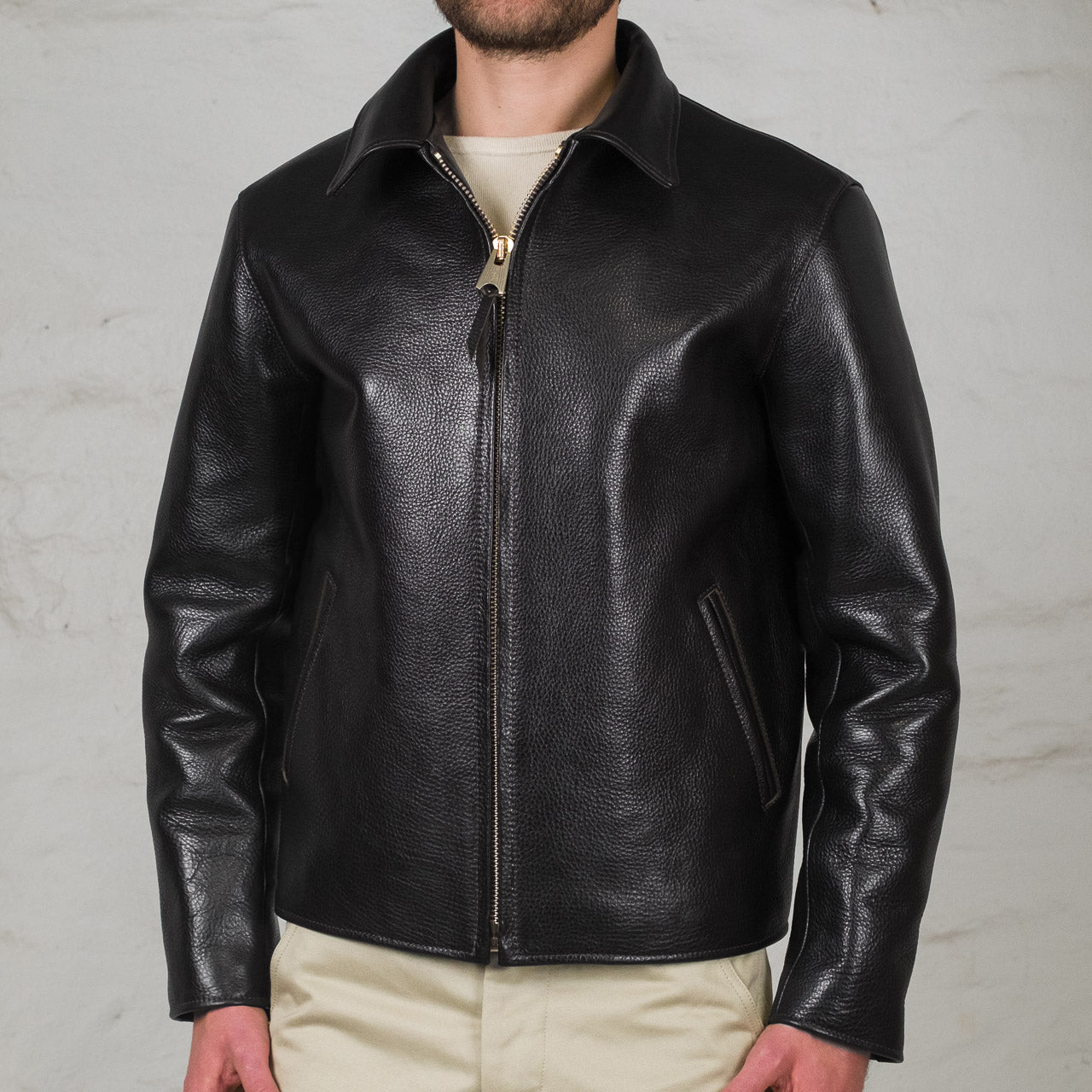
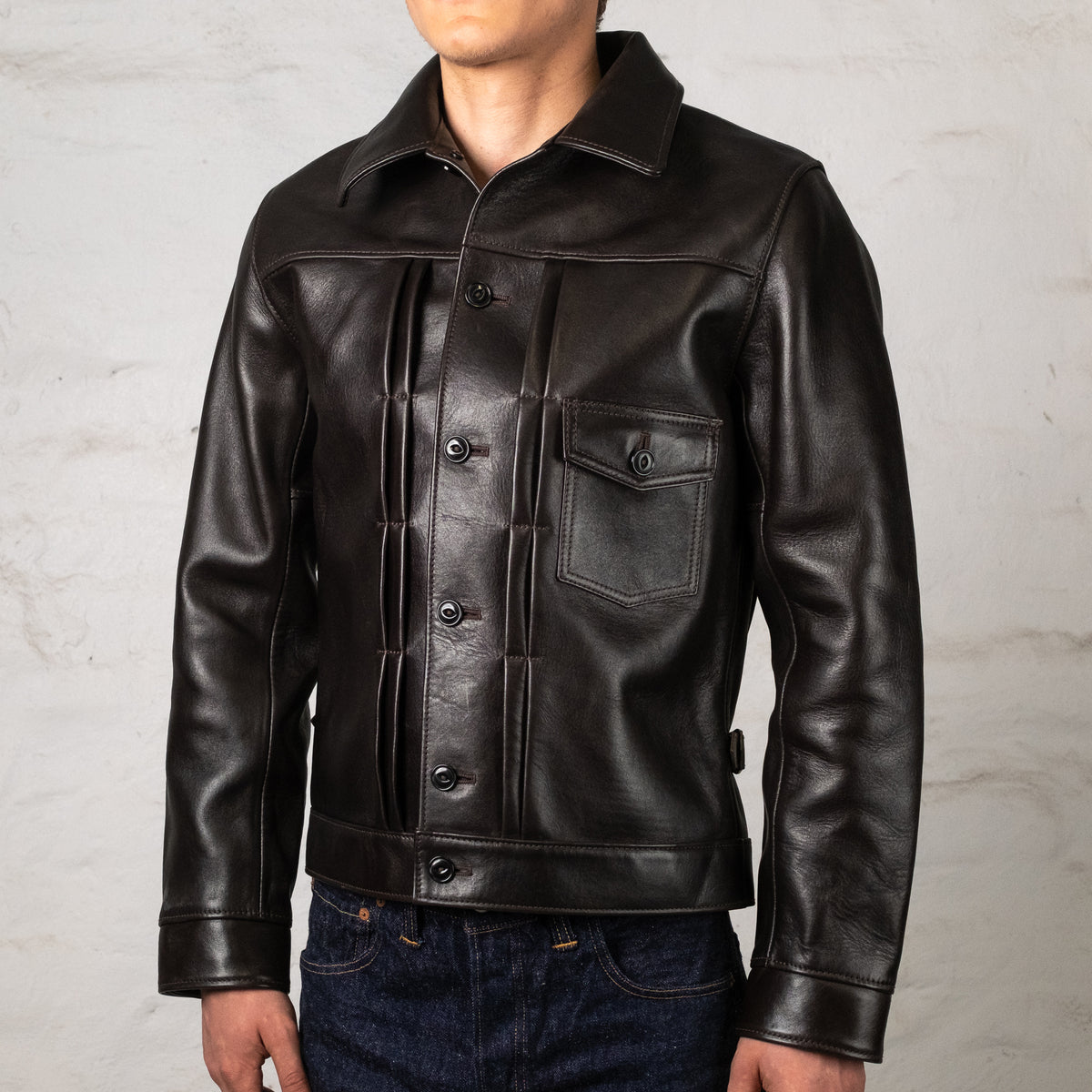
- Black (Black & Teacore): Probably the most iconic choice. But black is not just black when it comes to horsehide. Many of our Japanese brands use "Teacore" dyeing. The jacket initially appears deep black, but at the edges and points of movement, the finish breaks open, revealing the brown core of the leather. This creates a vintage look that you can't buy, you have to earn it.
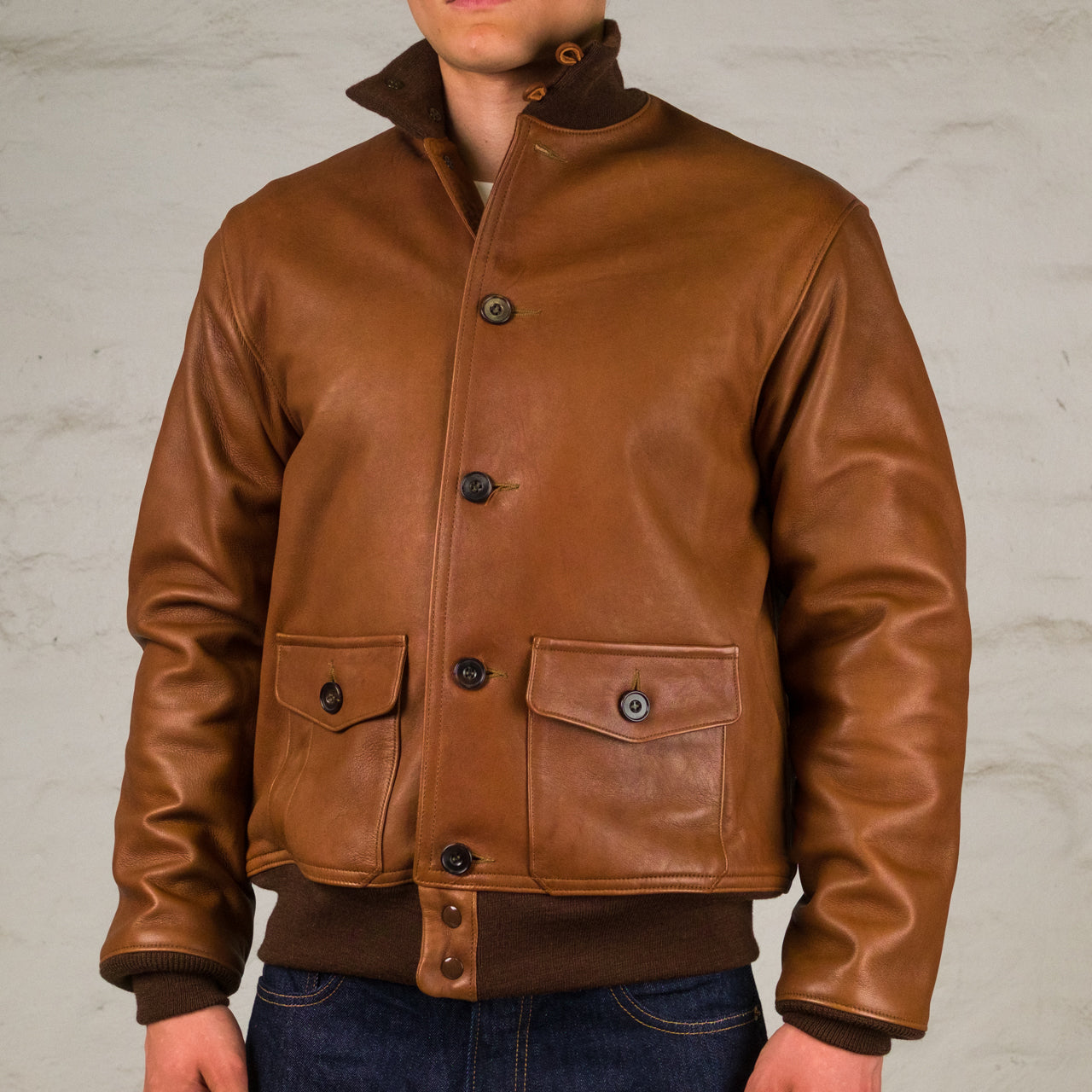
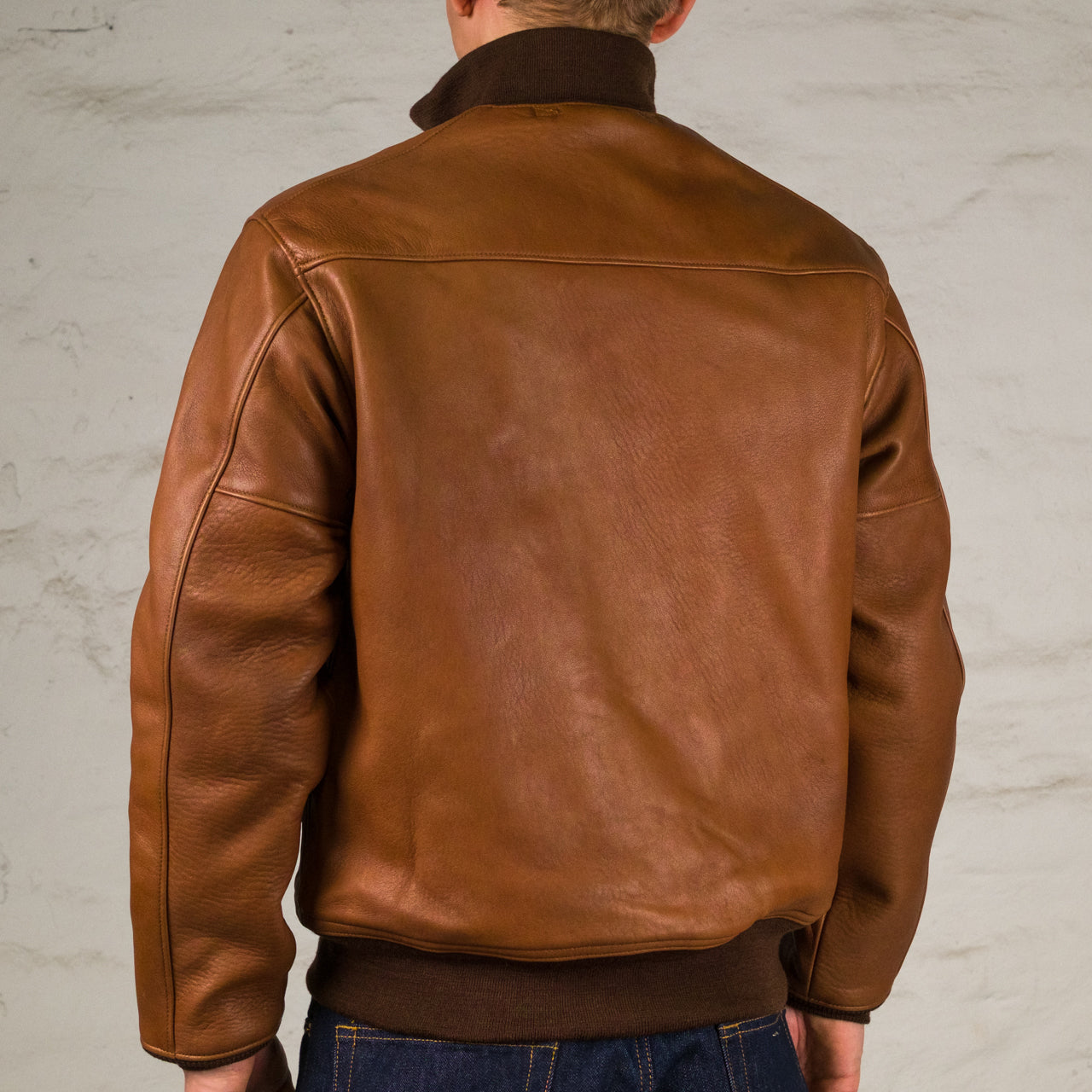
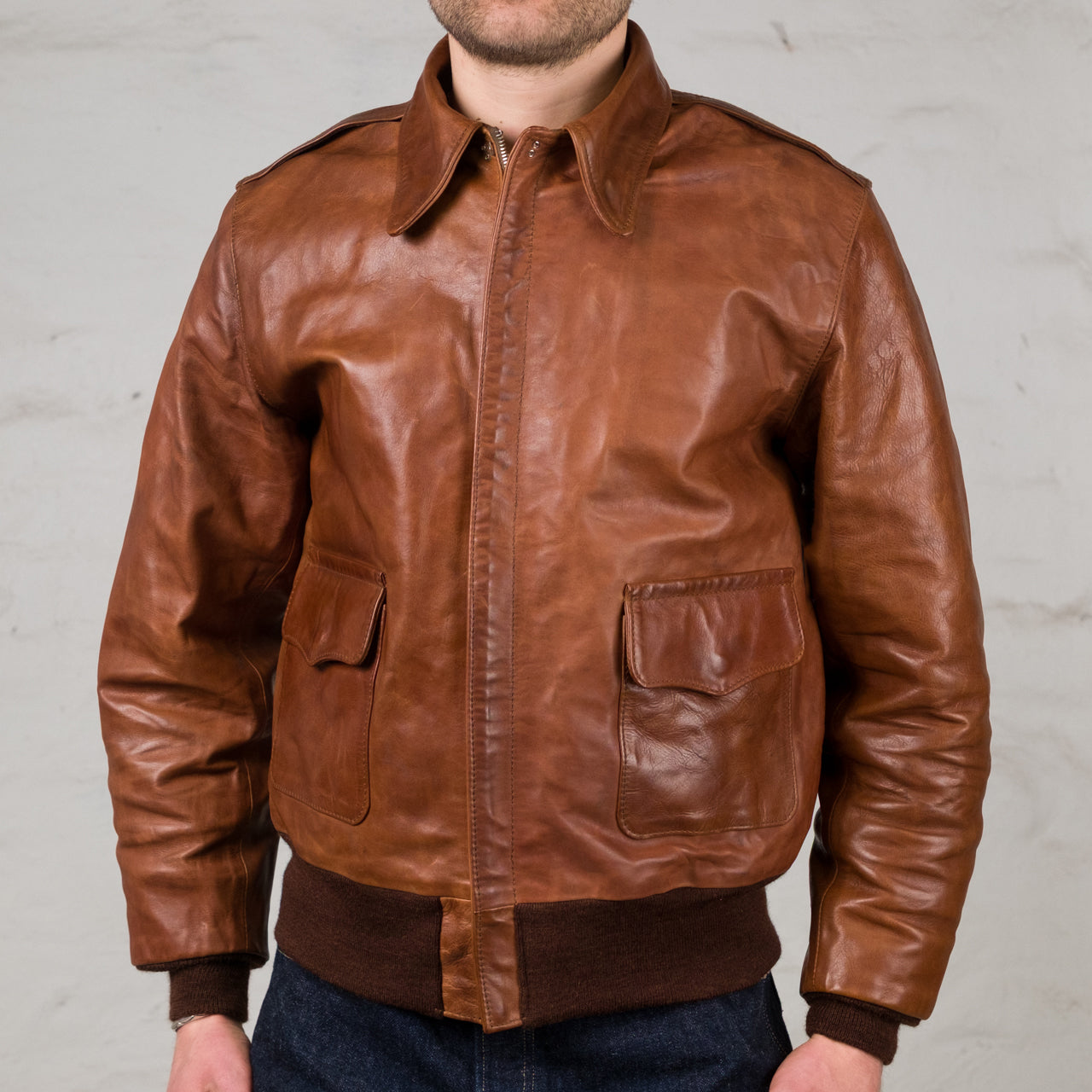
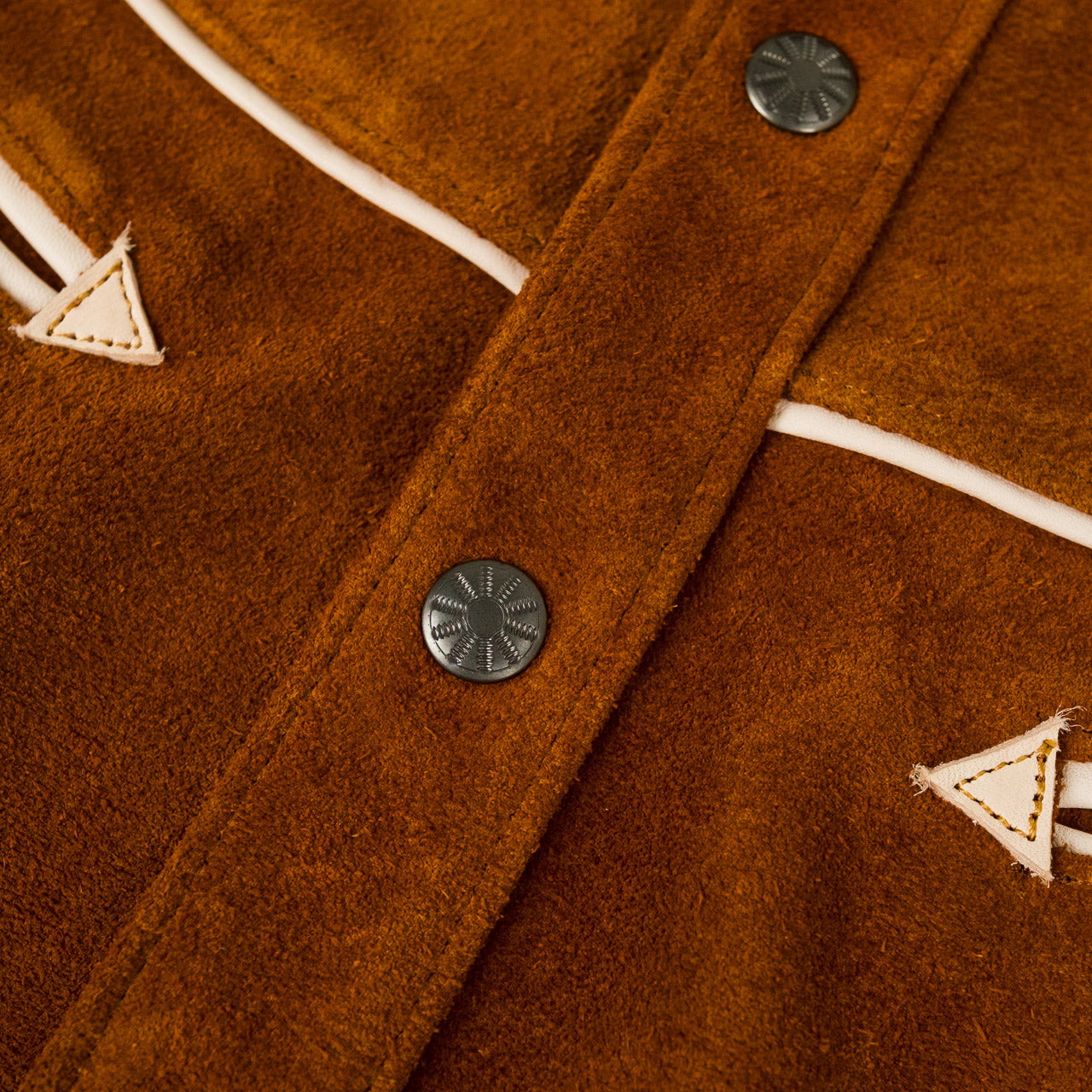
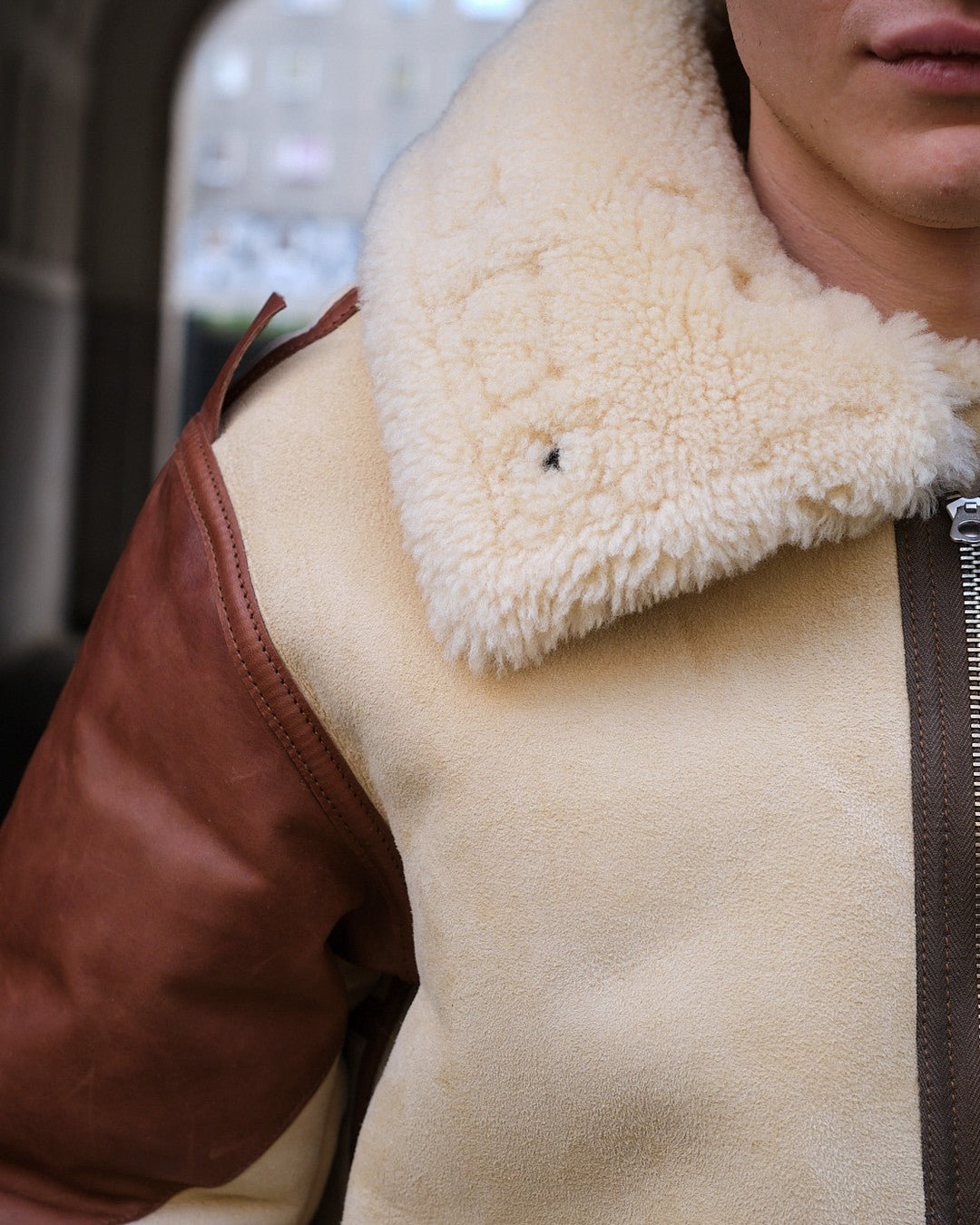
- Brown (Brown / Seal Brown / Russet / Cognac): Brown is the color of flight jacket history. From dark "Seal Brown" to more reddish "Russet" tones, brown offers maximum depth in the grain pattern. The natural grain of Front Quarter Horsehide is particularly evident here, as the pigmentation emphasizes the structures instead of covering them.
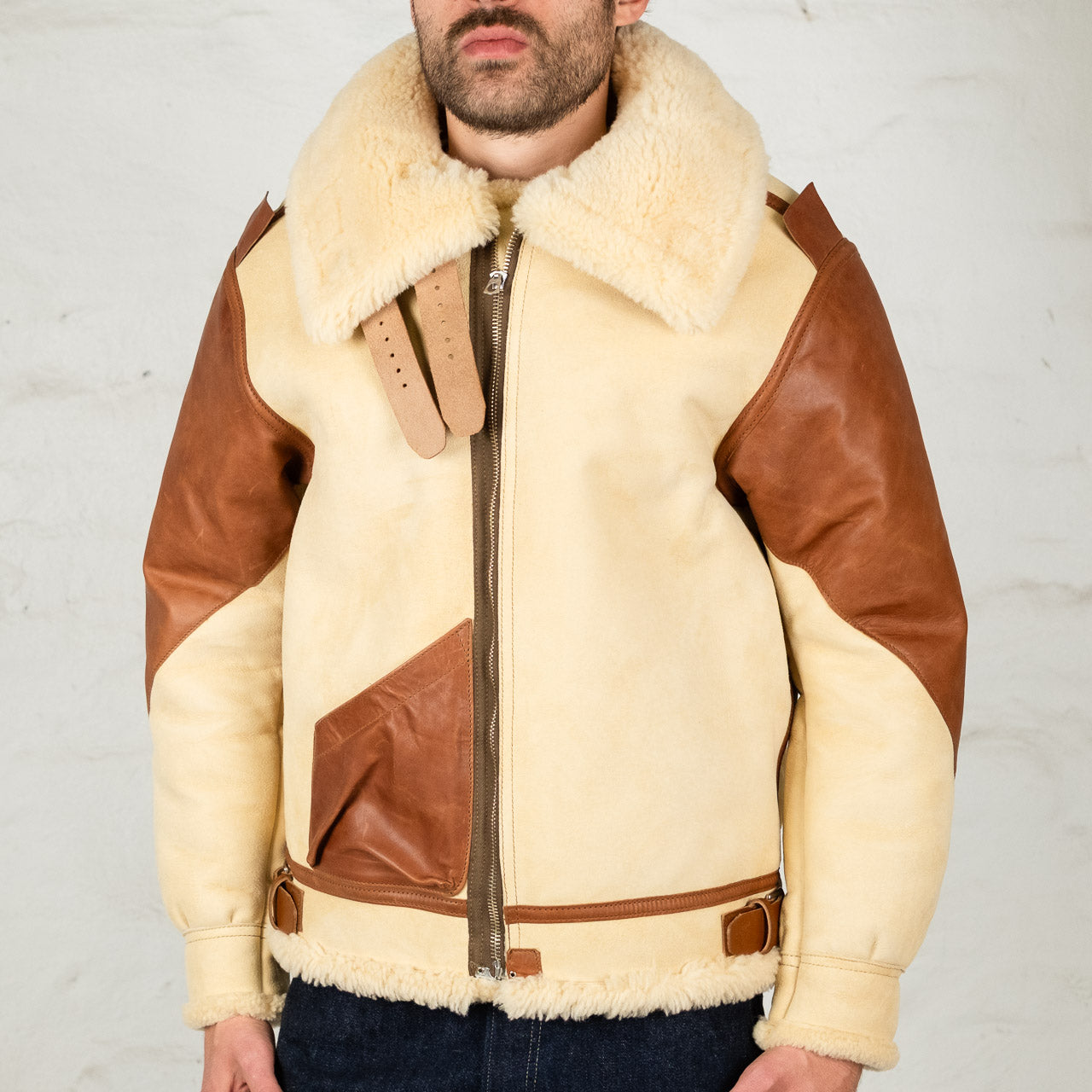
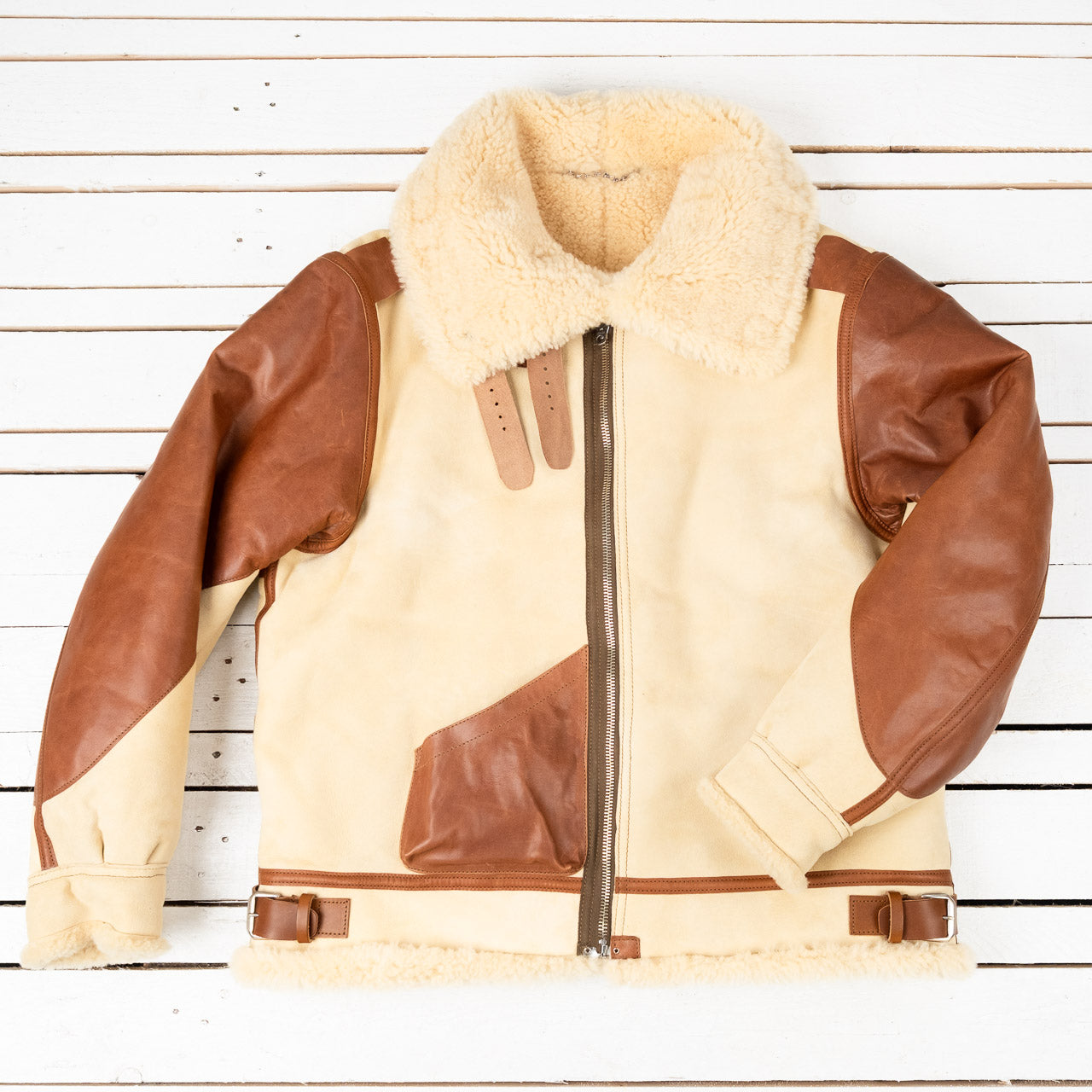
- Natural (Tan): This is the choice for absolute hardcore enthusiasts. Untreated horsehide is initially light, almost flesh-colored. Under sunlight and through contact with oils, a "Natural" horsehide jacket transforms within one to two years into a deep, rich dark brown with a sheen reminiscent of old mahogany.
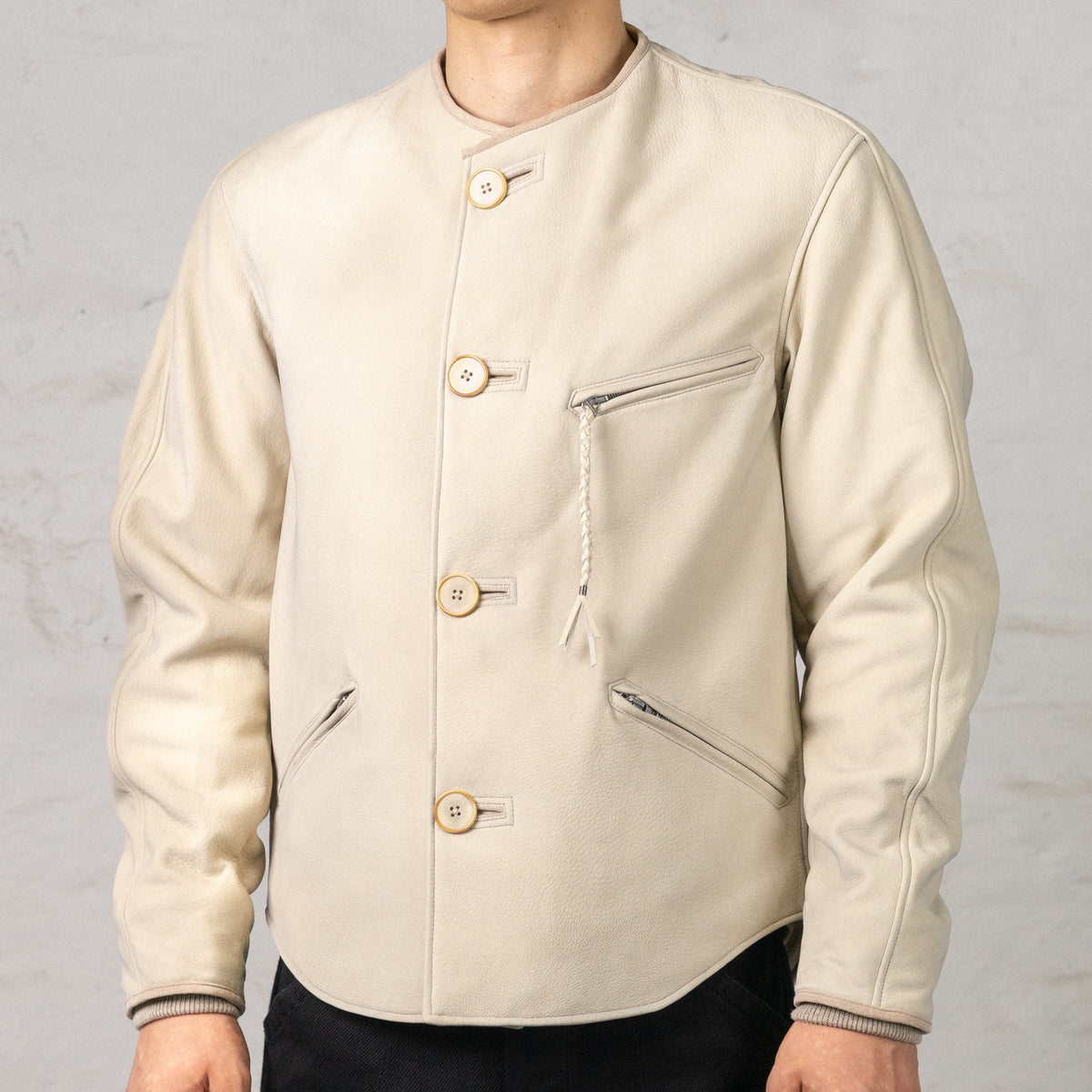
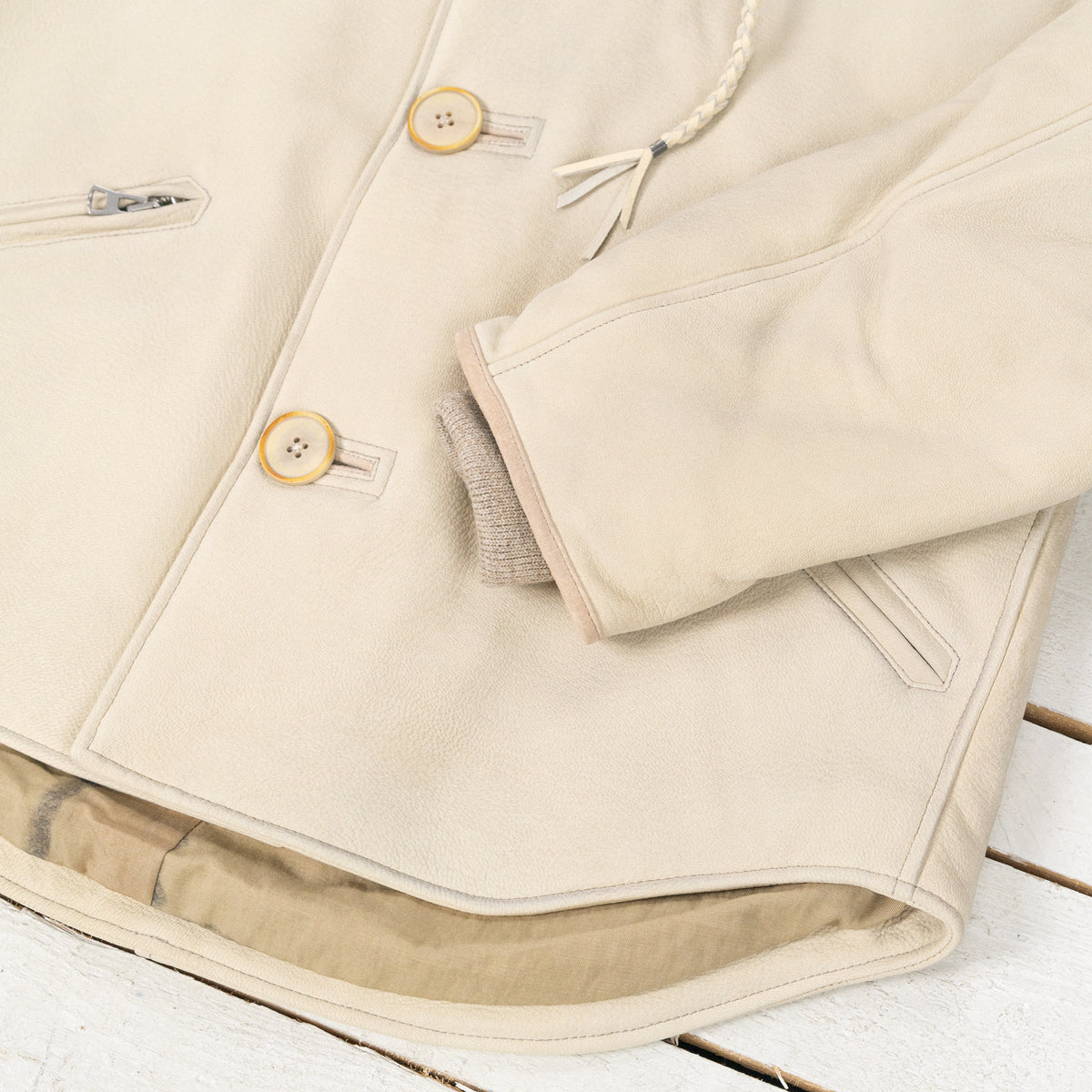
- Beige / Ivory: Rarer, but an absolute statement. Beige tones, as often found in classic racing jackets of the 50s, develop a rough, lived-in patina. Those who love the "Greaser" look and are not afraid of visible signs of wear will find their holy grail here.
Our leather jacket brands at Burg & Schild
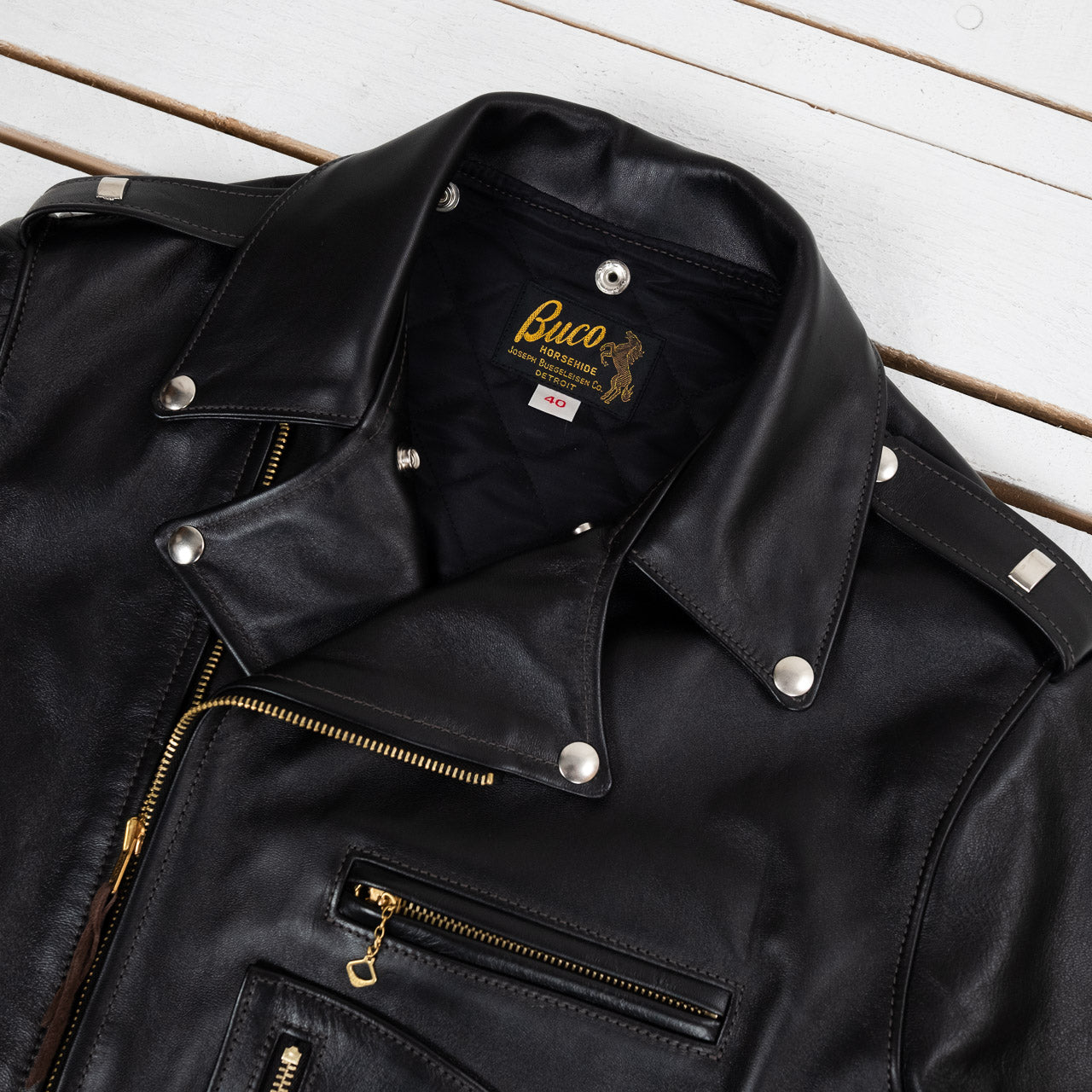
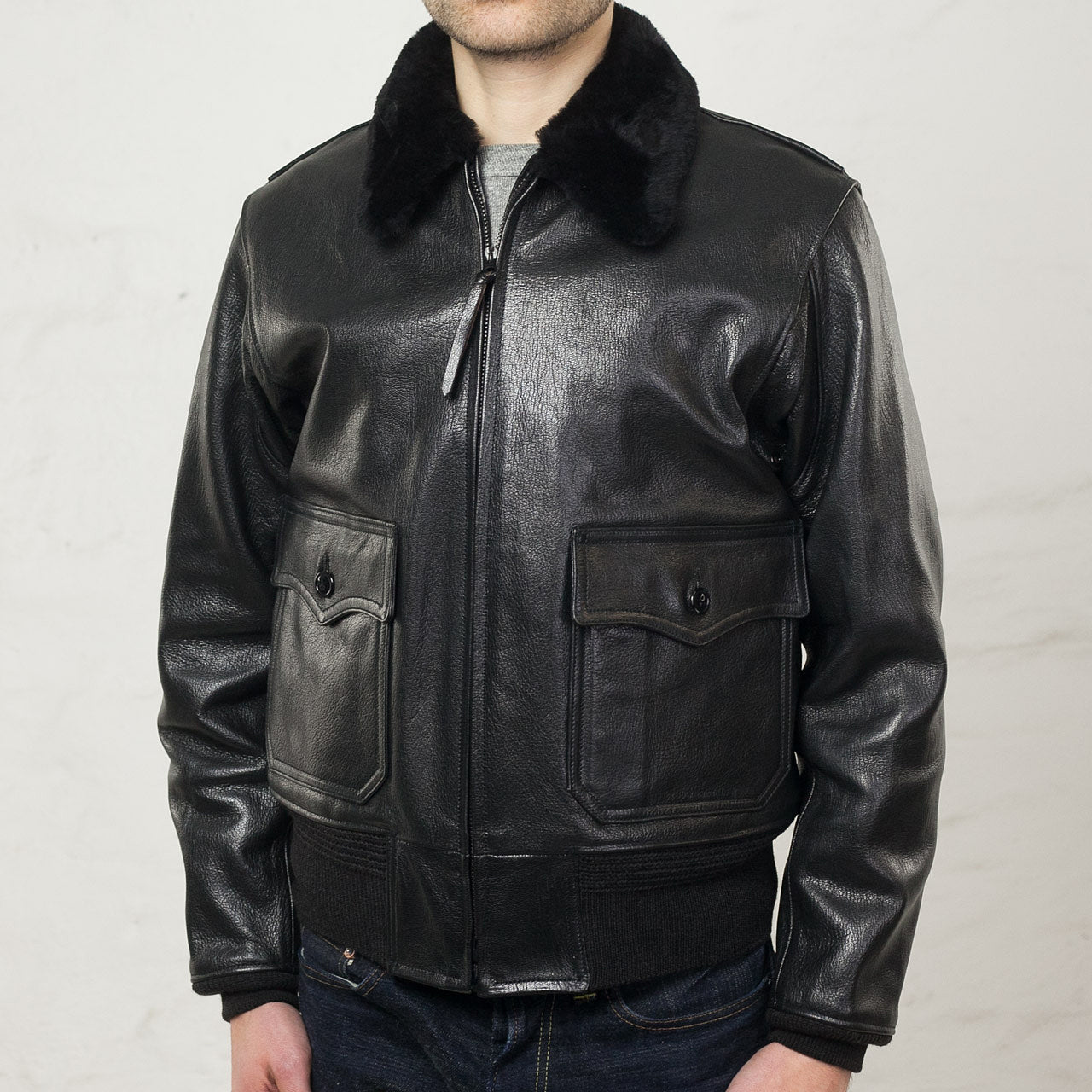
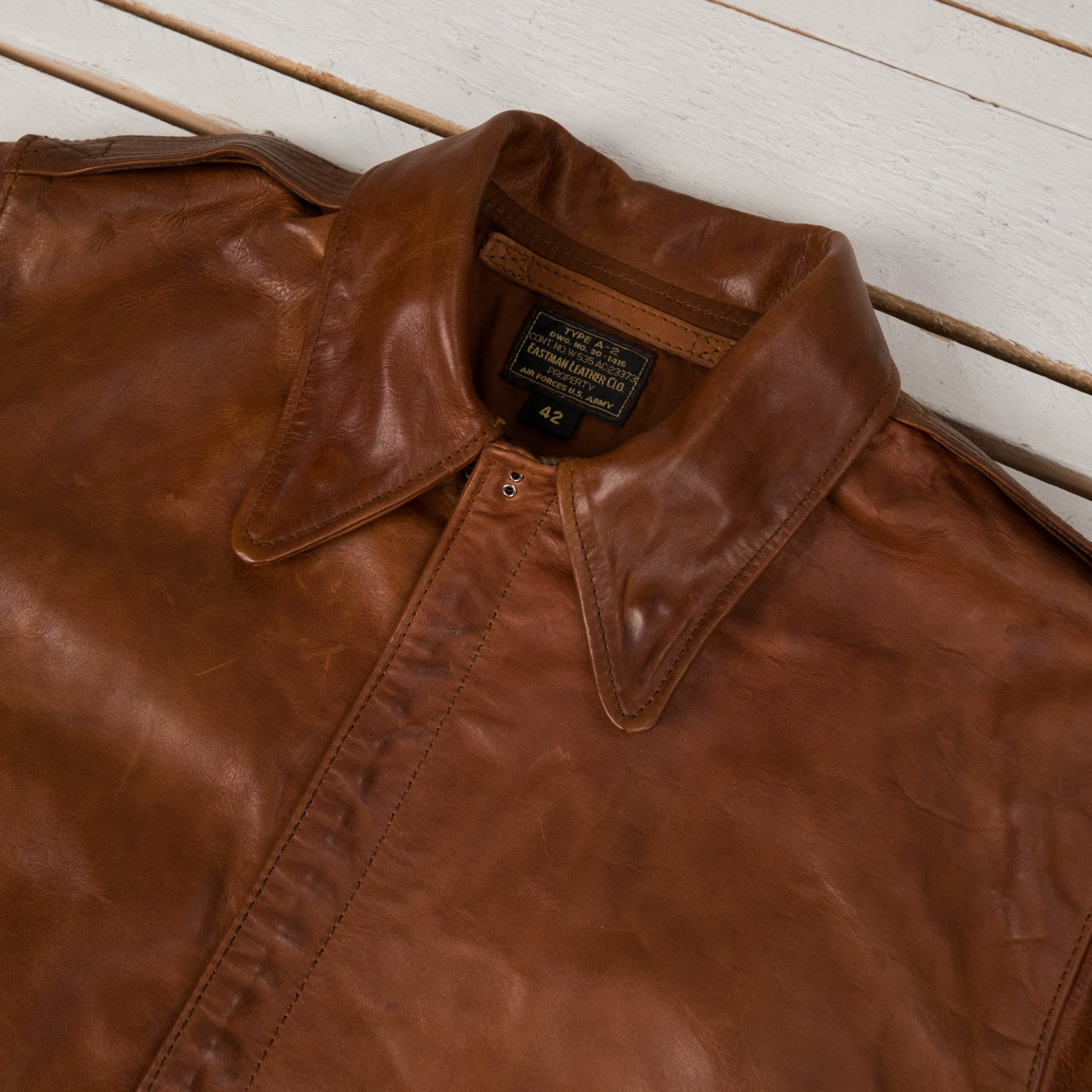
- THE REAL McCOY'S: When it comes to the exact reproduction of historical military and flight jackets, there's no getting around this Japanese institution. Their A-2 or Buco models made from Shinki Horsehide set standards in terms of authenticity.
- Y'2 Leather: A manufacturer from Osaka that has exclusively processed leather for decades. Their cuts are timeless, and their craftsmanship is uncompromising. Their "Eco Horse" series, in particular, is known for its thickness and extreme break-in.
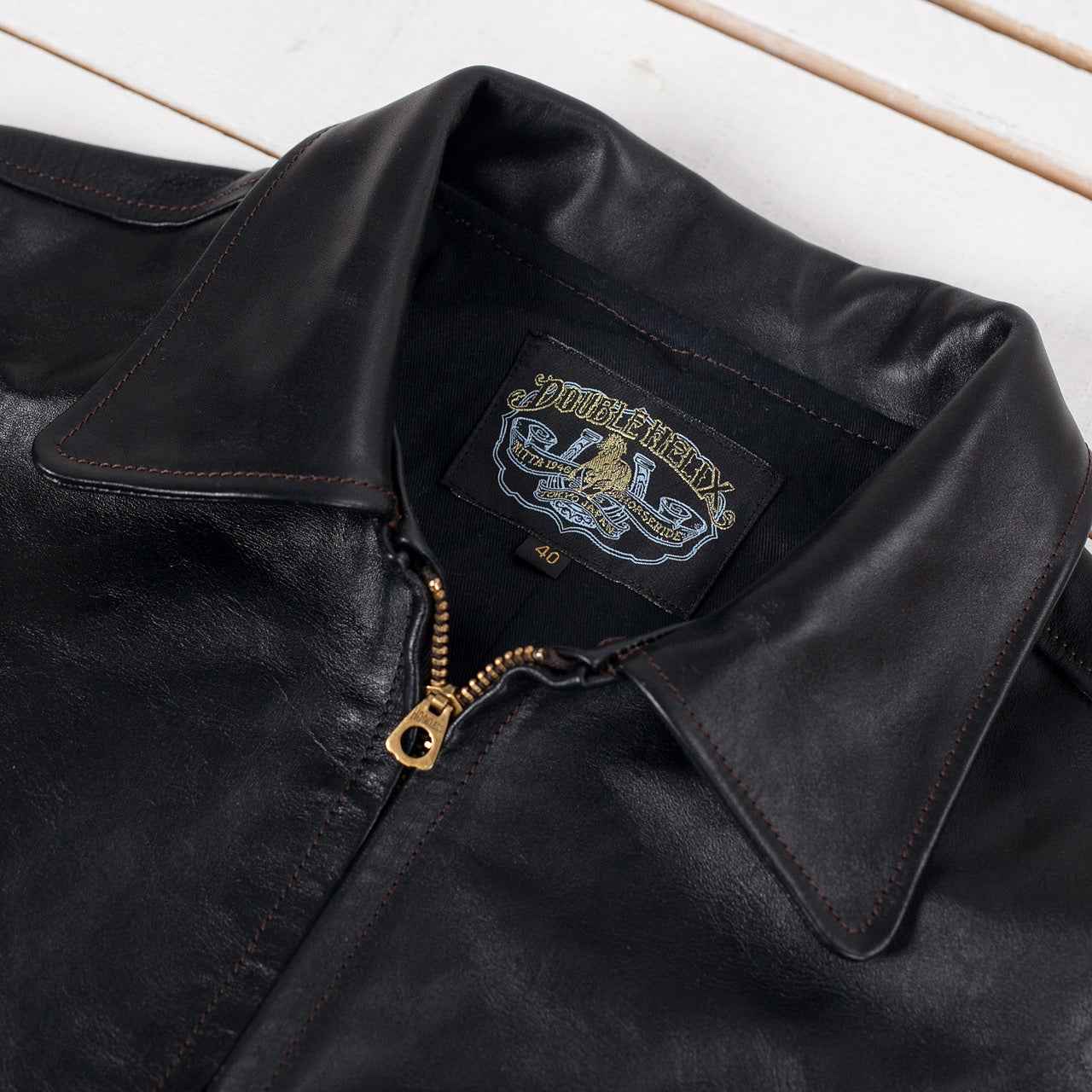
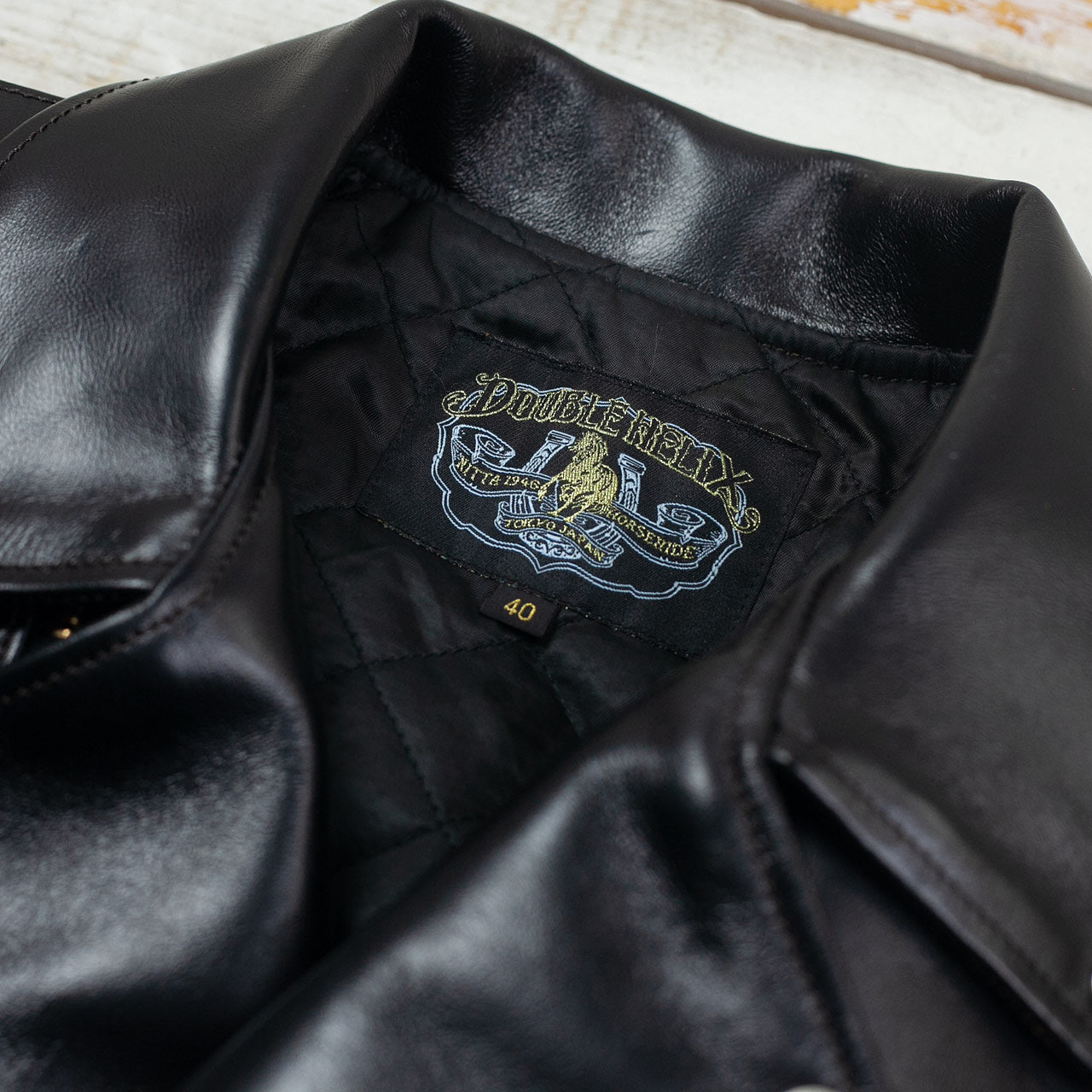
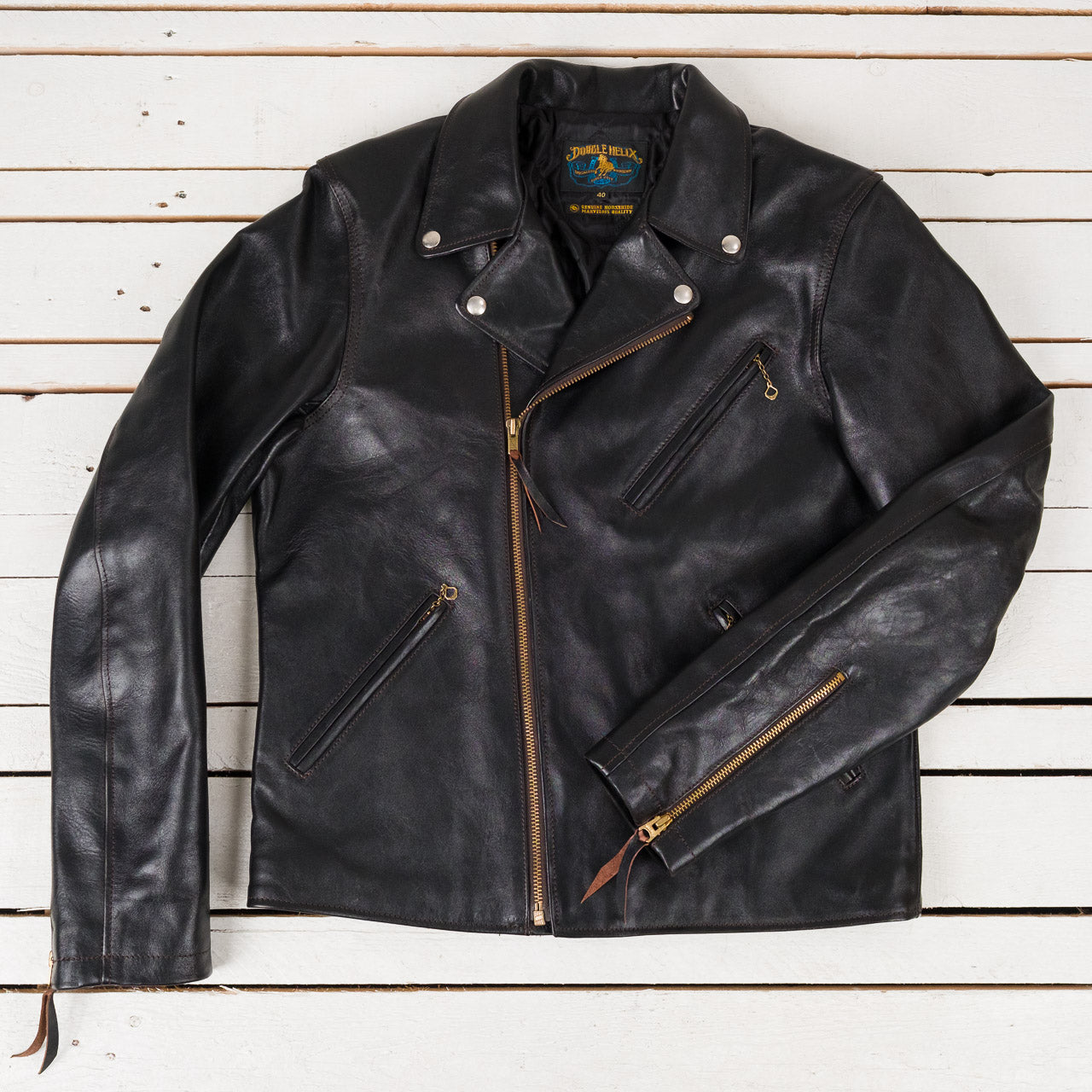
- Double Helix: This brand focuses entirely on the aesthetics of the 20th century. Their jackets are puristic, masculine, and perfectly showcase the natural beauty of horsehide.
- Black Sign: Here, dark, Victorian aesthetics meet the rugged lifestyle of the early 20th century. Their horsehide designs are often more unconventional and bursting with character.
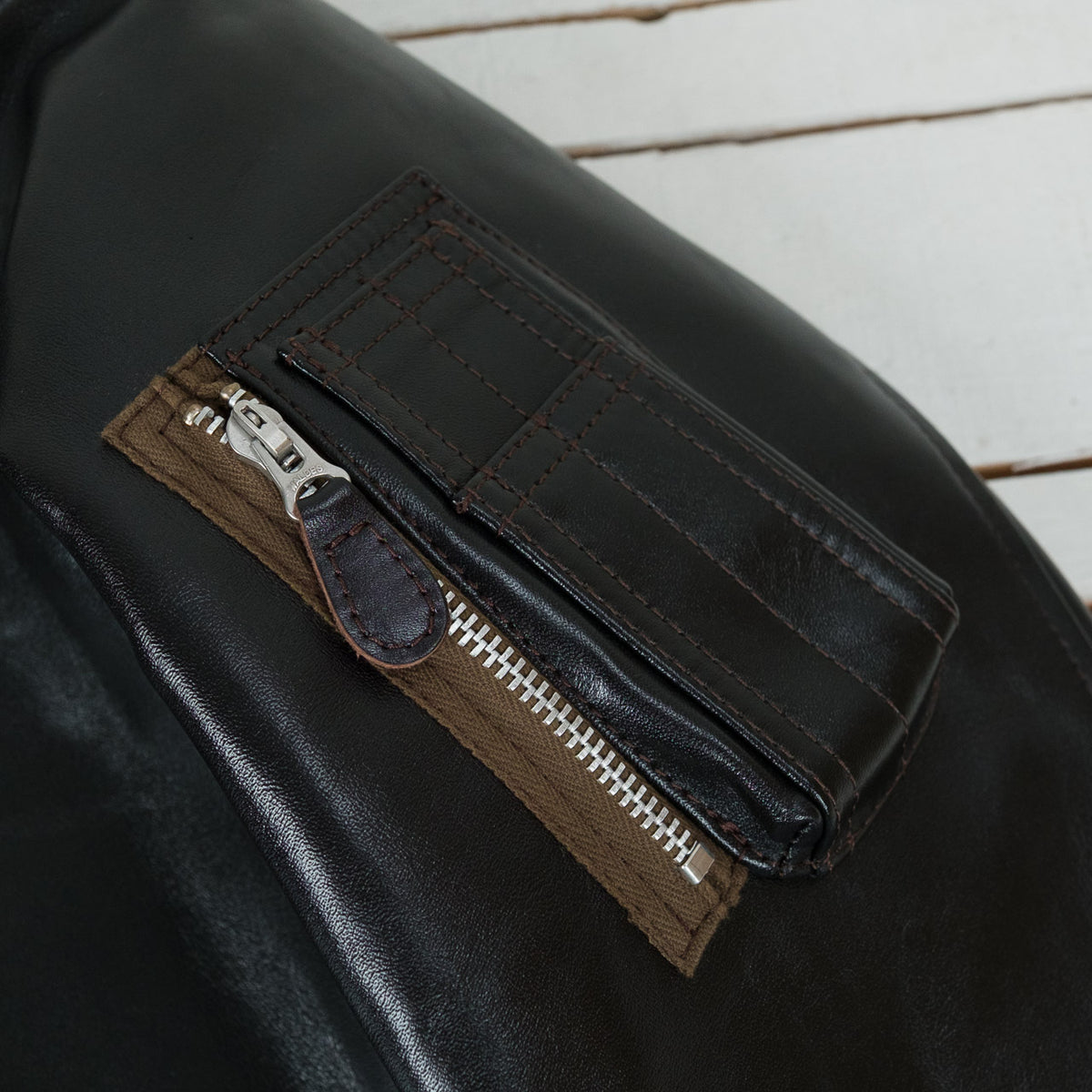
- Buzz Rickson's: Known for their meticulous attention to detail in US Navy and Air Force replicas. Their jackets are functional works of art.
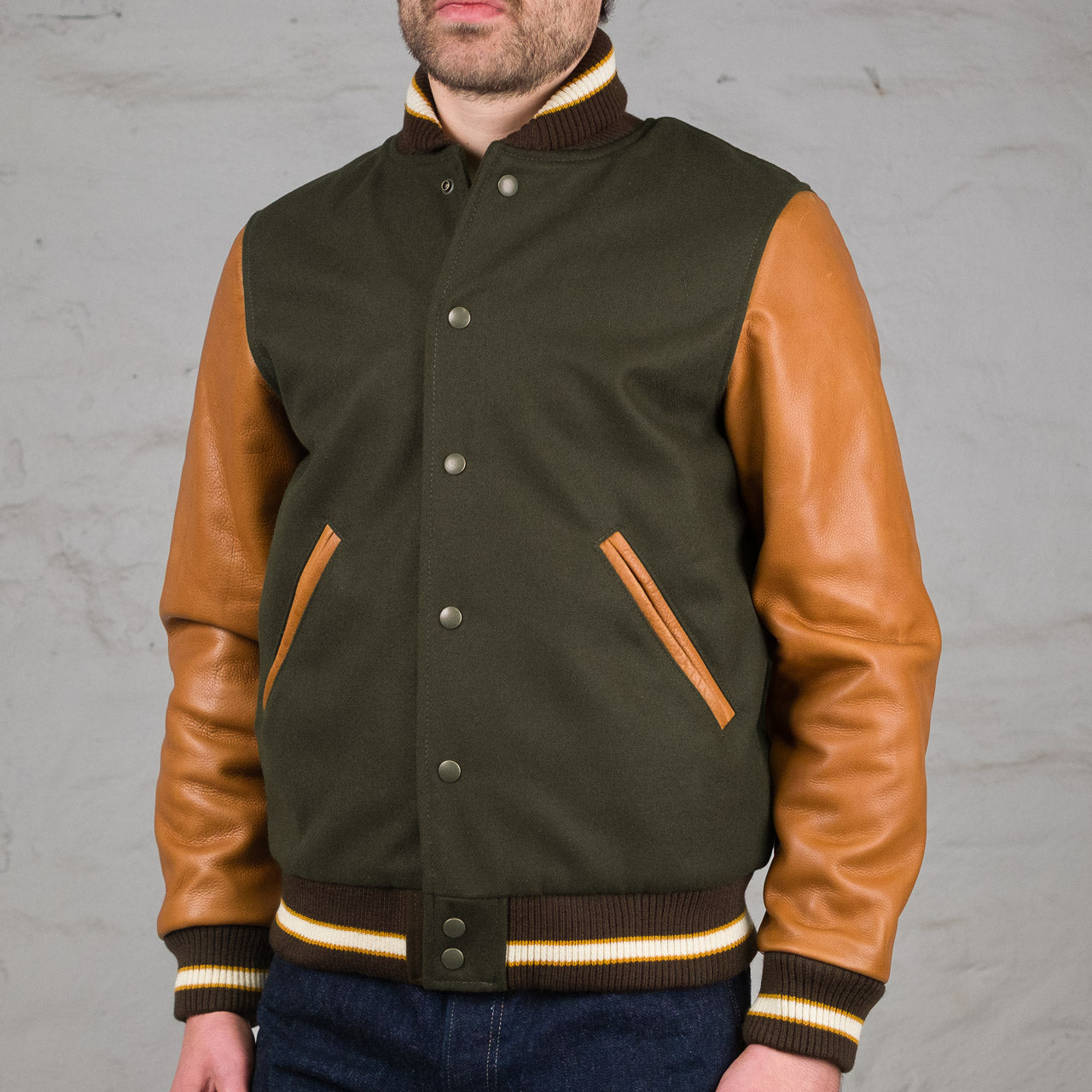
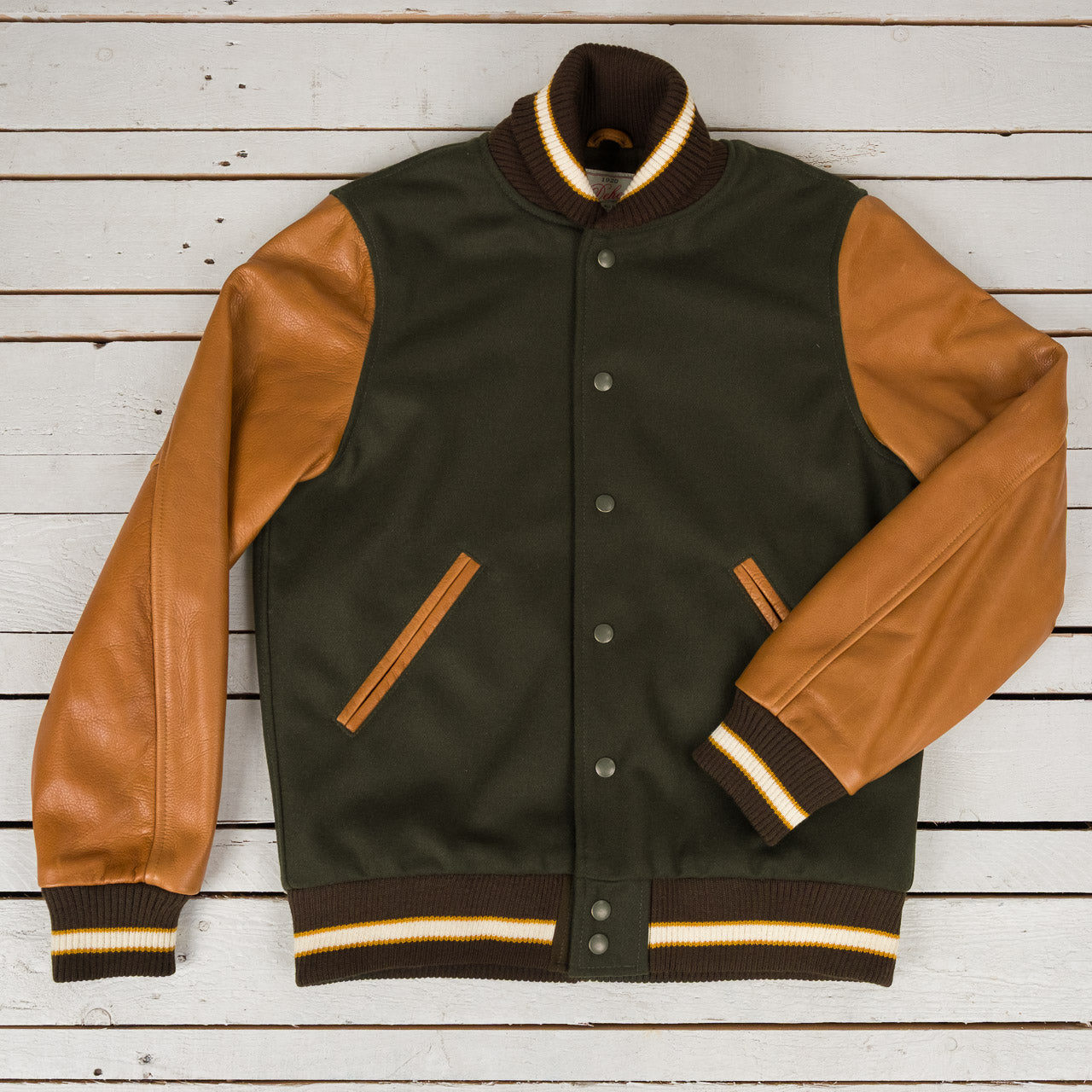
- Dehen 1920: While famous for their iconic varsity jackets, Dehen's leather creations display an American ruggedness that perfectly matches Burg & Schild's heritage style.
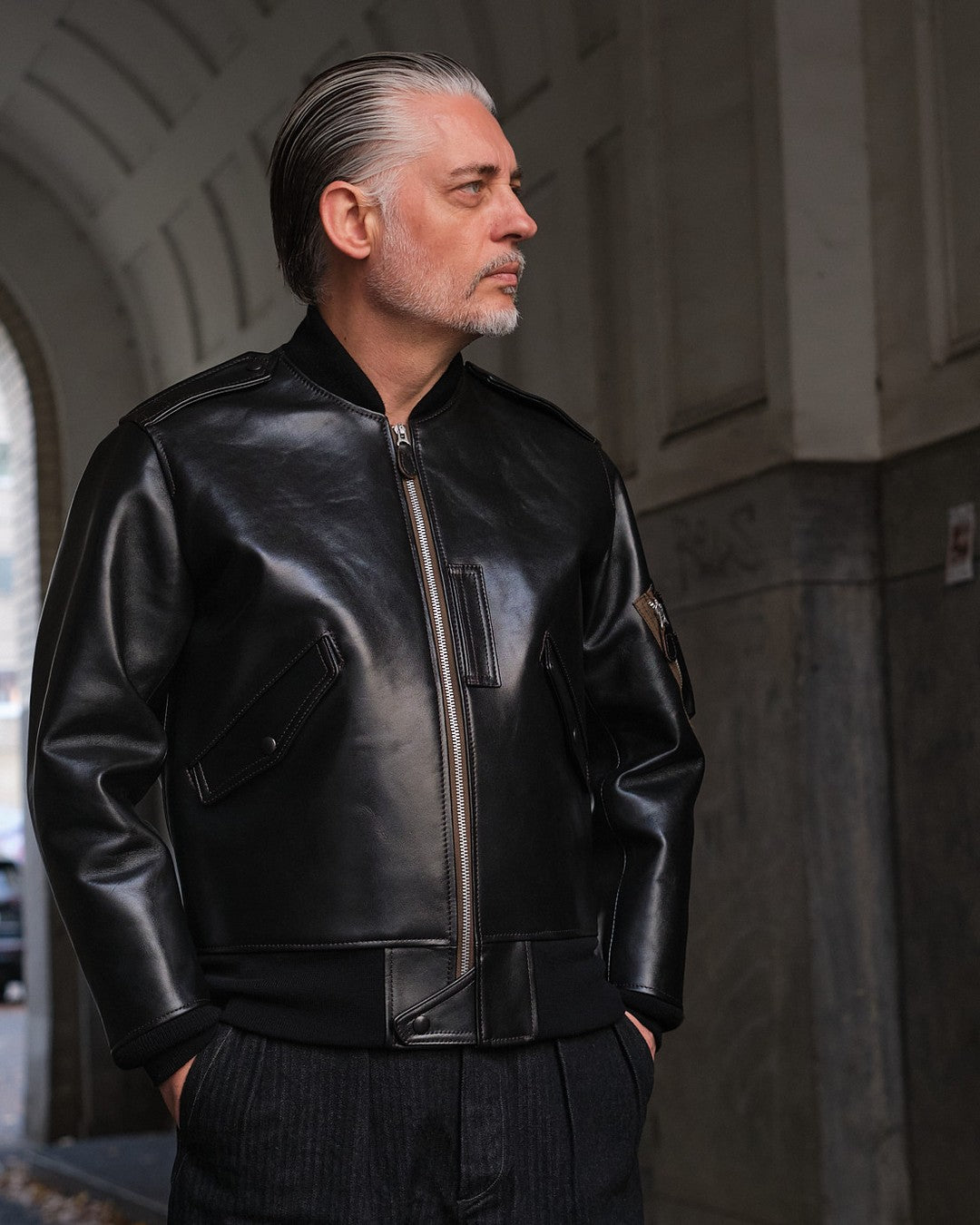
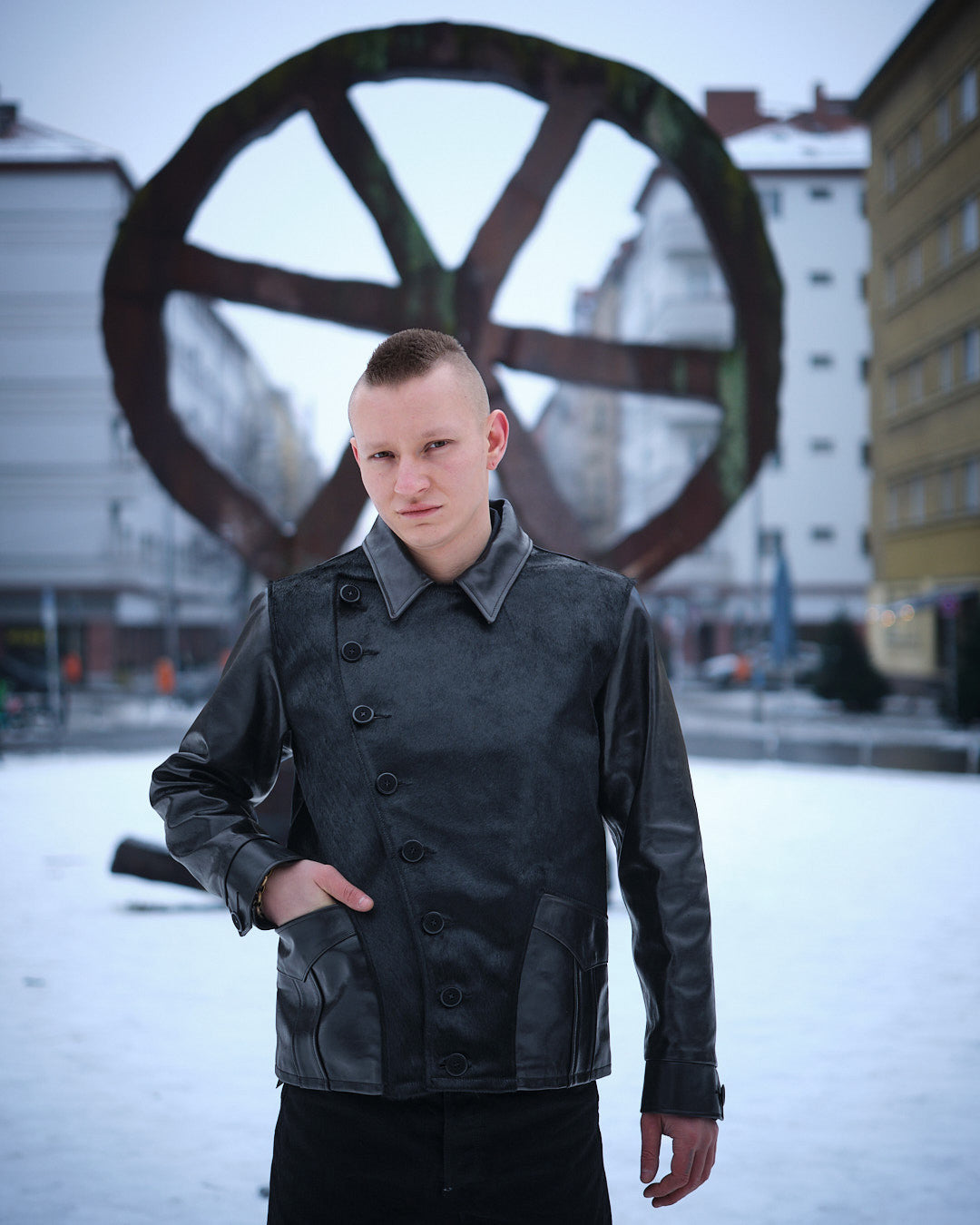
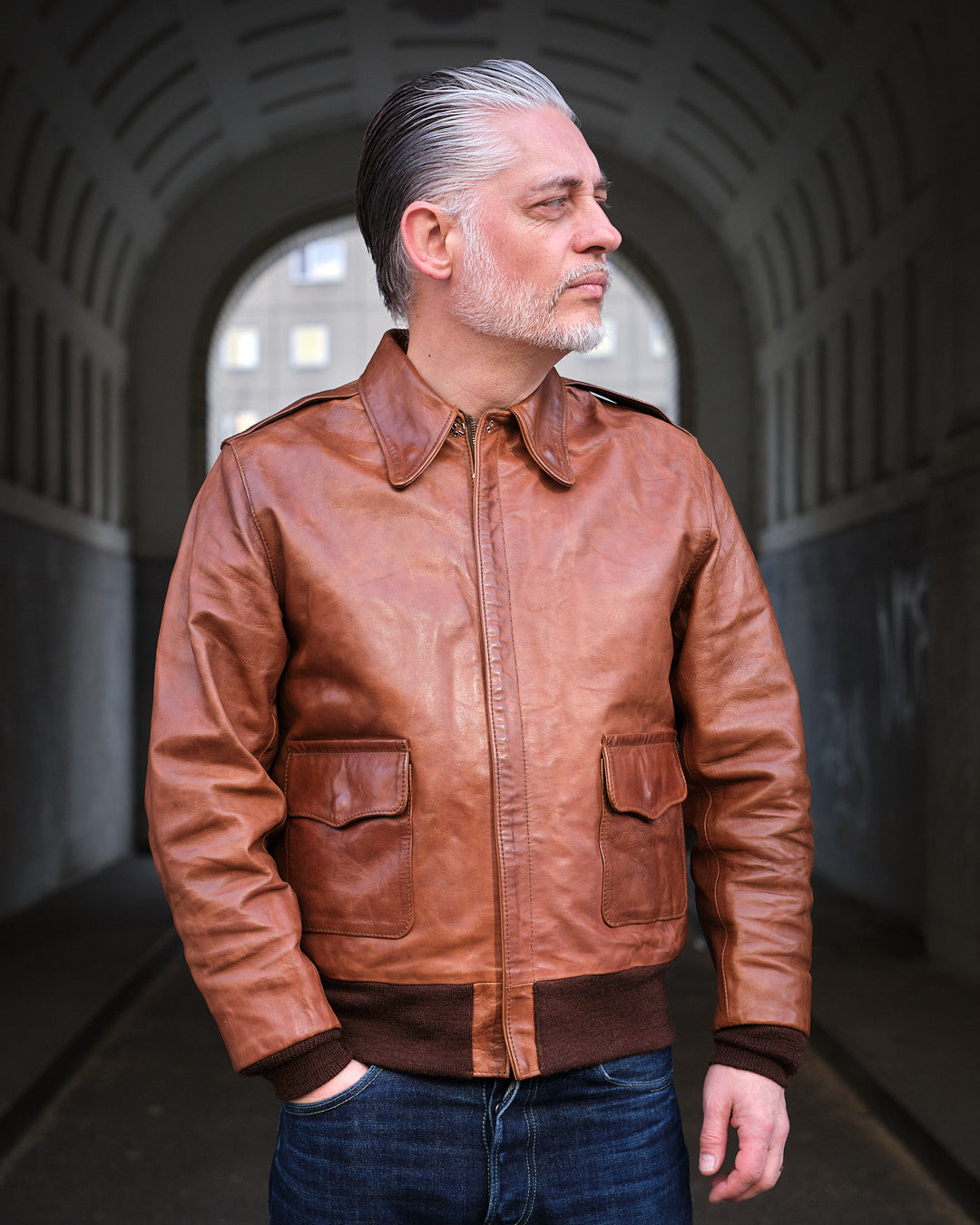
The Evolution of Patina: A Garment That Lives With You
The greatest appeal of a men's horsehide jacket is its transformation. Unlike synthetic fabrics or inferior leather, horsehide ages gracefully. The patina that develops over the years is a reflection of the wearer. Every scratch, every crease, and every colour nuance tells a story of where the jacket has been.
Horsehide has the characteristic of developing a shine (burnishing) where it is rubbed, while matte areas remain where there is little contact. This contrast gives the jacket a three-dimensionality that cannot be artificially created. It's the "slow fashion" principle that appeals: selling a product that looks better after ten years than it did on the first day.
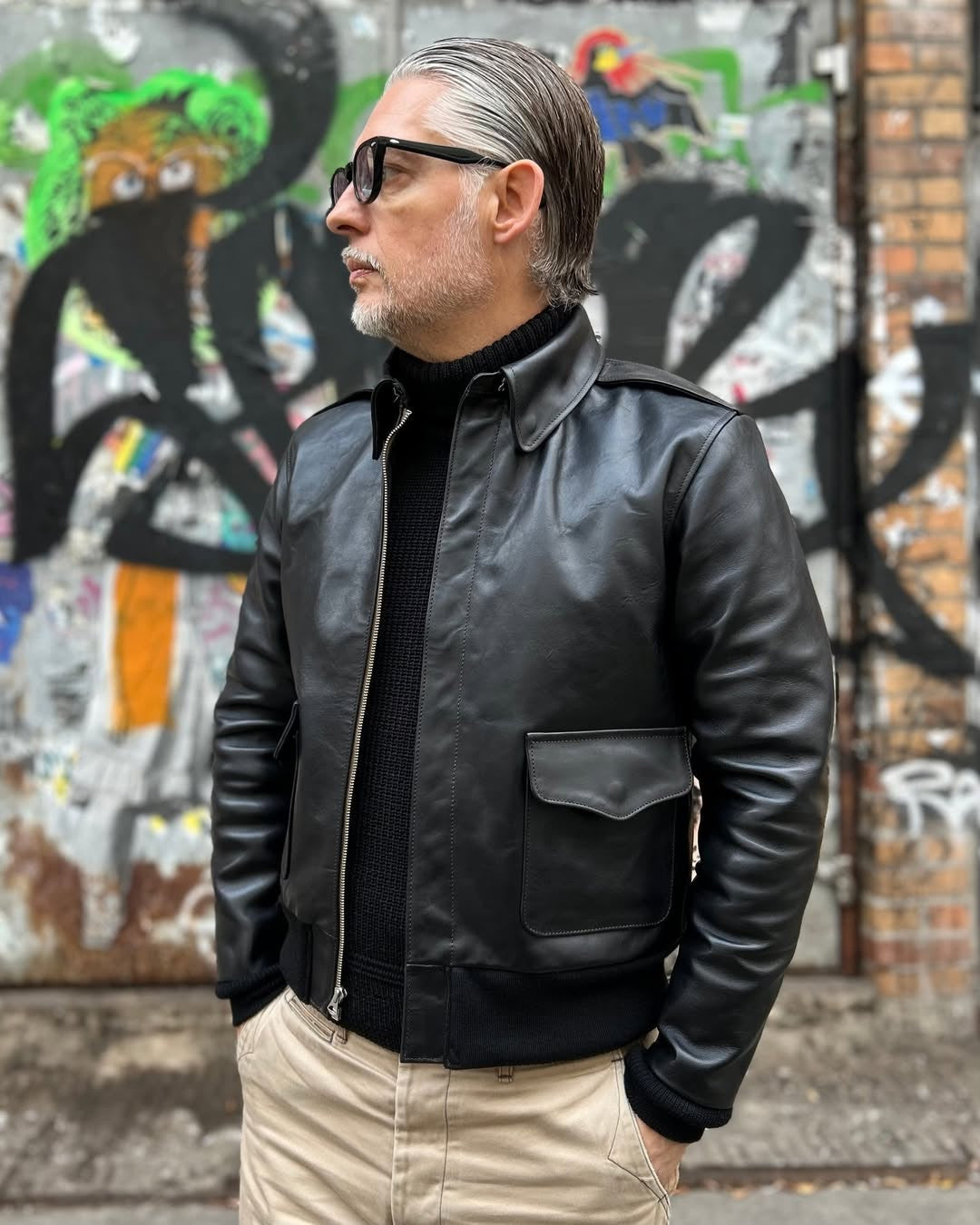
How to style your horse leather jacket
A heavy horsehide jacket rarely stands alone. It is the centerpiece of an outfit that relies on durability and authenticity. To complete the tough, honest look, it needs partners on an equal footing.
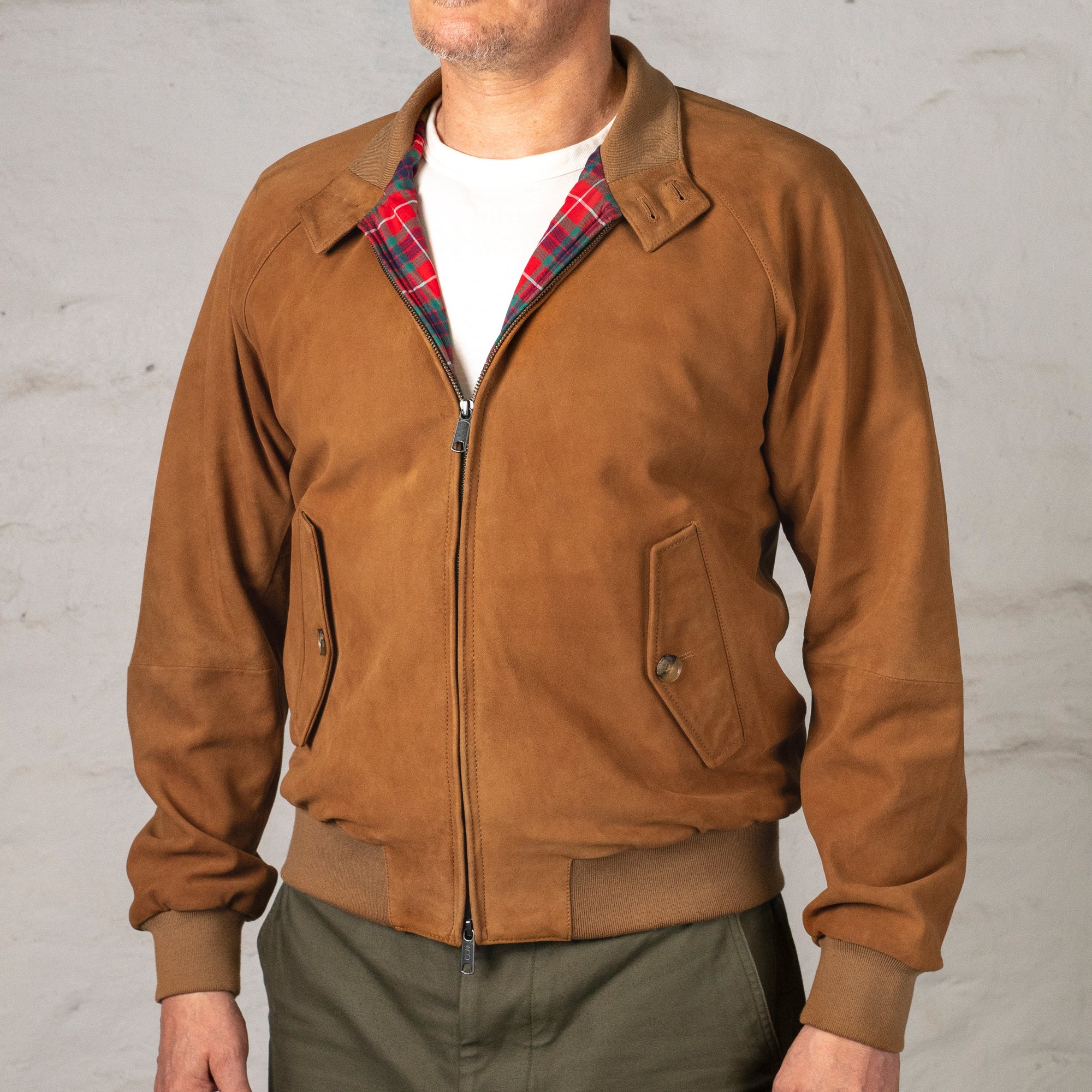
- Selvedge Denim: Nothing pairs better with a Japanese horsehide jacket than heavy selvedge jeans. Our brands offer denim qualities that have the same "break-in" character as our leather jackets. The patina of the indigo perfectly harmonizes with the sheen of the leather over the years.
- Heavyweight Shirts & Knits: Under a robust leather jacket, you need layers that can keep up. A coarsely woven flannel shirt or a solid wool cardigan creates the ideal contrast to the smooth surface of the leather.
- Authentic Footwear: If you invest in front quarter horsehide at the top, you shouldn't compromise on your feet. Handmade boots complete the look. Brown leather boots, in particular, create an exciting visual depth when paired with a black Teacore jacket.
- Accessories with Substance: A handmade leather belt or a chain provides the necessary accents without distracting from the main actor, the jacket.
FAQ – Everything You Need to Know About Horsehide Leather Jackets
Why is a men's horsehide jacket so durable?
The longevity of horsehide is rooted in the biological nature of the skin. Horses are cursorial animals with a very tight, muscular subcutaneous structure. The resulting leather has an extremely high fiber density. This makes it significantly more abrasion-resistant and tear-resistant than cowhide of the same thickness. Additionally, horsehide is naturally more water-repellent due to its finer pore structure. A well-maintained horsehide jacket can easily last two to three generations.
What is special about Shinki Horsehide?
Shinki Hikaku is the world's leading horsehide tannery from Japan. What makes it special is its extremely slow, traditional tanning process. While industrial tanneries complete leather in days, Shinki allows the material months in pits with vegetable tannins. The result is a leather with incredible depth, a unique feel, and the ability to develop the famous "Teacore" patina. It is the "Cordovan" among jacket leathers – dense, shiny, and of unparalleled quality.
How to properly care for a horsehide leather jacket?
Less is more. Since horsehide is naturally very rich in oil and fat (especially when vegetable-tanned), it hardly needs any care in the first few years.
- Air out: After wearing, simply hang it on a wide wooden hanger.
- Clean: Wipe off dirt with a slightly damp cloth. Do not use harsh cleaners.
- Conditioning: Only if the leather appears truly dry (usually only after years), should a high-quality conditioner (e.g., beeswax or mink oil-based) be applied thinly.
Moisture: Should the jacket get soaking wet, let it dry slowly at room temperature – never on a heater, as this will make the leather brittle.
Is horse leather heavier than cowhide?
Not necessarily. Because horsehide has a higher fiber density, it can be skived thinner than cowhide while maintaining the same stability. Nevertheless, many heritage models are deliberately designed to be substantial. The weight conveys the feeling of "armor" but, after some time, is barely perceived as a burden due to the break-in process and perfect adaptation to the body.
Can I wear the jacket in the rain?
Yes. Due to its dense structure and natural fat content, horsehide is naturally highly water-repellent. A short rain shower will not damage the jacket. The only important thing is the aftercare: the jacket must never be dried near a heat source (heater), as otherwise the vegetable tanning will harden. Let it dry hanging at room temperature, then the leather will remain supple.